
10 Buddhist Temples Where You Can Meditate and Stay
From Bodh Gaya to Kyoto, these Buddhist temples welcome visitors for meditation retreats ranging from one day to several months.
Finding Stillness at Sacred Sites
Many Buddhist temples around the world welcome visitors for meditation retreats. Practicing at these sacred sites — where great teachers attained enlightenment or taught for centuries — adds a powerful dimension to your meditation practice.
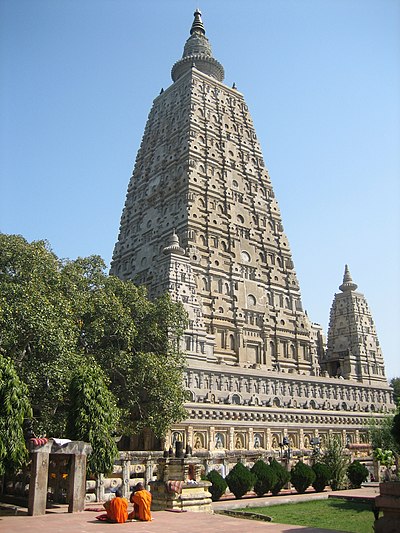
1. Bodh Gaya, India
Where the Buddha himself attained enlightenment. The Root Institute offers 10-day Vipassana courses. Meditating under the Bodhi Tree is a once-in-a-lifetime experience.
2. Kopan Monastery, Nepal
Near Boudhanath stupa in Kathmandu, Kopan offers month-long courses in Tibetan Buddhist meditation and philosophy. The November course is world-famous.
3. Wat Suan Mokkh, Thailand
Founded by the revered Ajahn Buddhadasa, this forest monastery in southern Thailand offers free 10-day silent meditation retreats starting on the 1st of each month.
4. Plum Village, France
Thich Nhat Hanh's mindfulness community in the Dordogne offers retreats throughout the year. The practice emphasizes mindfulness in daily activities — walking, eating, breathing.
5. Tassajara, California
The first Zen monastery established outside Asia, Tassajara offers summer guest seasons with zazen instruction in the spectacular Big Sur wilderness.
6. Shwedagon Pagoda Complex, Myanmar
Several meditation centers near the golden pagoda offer Mahasi-style Vipassana retreats lasting 2-8 weeks.
7. Koyasan, Japan
Stay in a Buddhist temple lodging (shukubo) atop Mount Koya, headquarters of Shingon Buddhism. Join morning fire ceremonies and meditation sessions.
8. Amaravati, England
A Thai forest tradition monastery in Hertfordshire offering weekend and longer retreats, with excellent meditation instruction for beginners.
9. Borobudur, Indonesia
While the temple itself doesn't host retreats, several nearby centers offer meditation programs with sunrise visits to this magnificent 9th-century monument.
10. Paro Taktsang area, Bhutan
Several meditation centers near the Tiger's Nest monastery offer contemplative retreats in one of the world's most spiritual settings.
Tips for Temple Retreats
Why Meditate at a Buddhist Temple?
Meditation can be practiced anywhere — a bedroom, a park bench, an airplane seat. But there is a reason that for 2,500 years, serious practitioners have sought out temples and monasteries for their deepest practice. The environment matters. A space dedicated to meditation, maintained by a community of practitioners, and carrying the accumulated intention of generations of meditators creates conditions that are qualitatively different from practicing at home with a meditation app. The structure of a retreat — early rising, noble silence, shared meals, guided practice — removes the ordinary friction of daily life and allows the mind to settle in ways that are rarely possible otherwise.
Vipassana Centers: The 10-Day Deep Dive
The most accessible entry point to serious Buddhist meditation for Westerners is the 10-day Vipassana course taught in the tradition of S.N. Goenka. Offered at over 200 centers worldwide (and entirely by donation), these retreats follow a rigorous schedule: wake at 4 AM, meditate approximately 10 hours per day, observe noble silence (no speaking, eye contact, or gestures with other students), eat only breakfast and lunch (tea in the evening), and abstain from all electronics, reading material, and writing. The technique focuses on systematic observation of bodily sensations to develop equanimity and insight. While intense, these courses are designed for complete beginners and provide all instruction needed. Advance booking is essential as courses fill quickly.
Thai Forest Tradition: Monasteries Open to Visitors
Thailand's forest monasteries (Wat Pa) offer one of the most authentic meditation experiences available to foreign visitors. Monasteries in the tradition of Ajahn Chah — including Wat Pah Nanachat in Ubon Ratchathani, specifically established for English-speaking practitioners — accept visitors for stays ranging from a few days to several months. Daily life follows the monastic routine: wake at 3 AM, morning chanting, walking and sitting meditation throughout the day, one meal before noon, evening discourse, and sleep by 10 PM. Accommodation is typically a simple kuti (hut) in the forest. There is no charge, though dana (donations) are welcome.
Zen Retreats: Japan and Beyond
Zen meditation (zazen) retreats are available at temples throughout Japan, and the experience of sitting in a centuries-old meditation hall can be extraordinarily powerful. Rinzai Zen retreats (sesshin) typically involve 8 to 14 hours of daily meditation, with monks patrolling the meditation hall carrying a kyosaku (encouragement stick) used, with the practitioner's consent, to strike the shoulders and stimulate alertness. Soto Zen retreats tend to be somewhat gentler in form. Popular temples for foreign practitioners include Shunko-in at Myoshinji in Kyoto, Antaiji in Hyogo Prefecture, and Sogenji in Okayama.
Tibetan Buddhist Retreats: The Himalayan Experience
For those drawn to Tibetan Buddhism, retreat centers in India, Nepal, and Bhutan offer programs ranging from weekend introductions to traditional three-year retreats. Kopan Monastery near Boudhanath in Kathmandu has offered annual one-month courses for Westerners since the 1970s, covering Buddhist philosophy and meditation practice. Tushita Meditation Centre in Dharamsala (near the residence of the Dalai Lama) offers popular 10-day introductory courses. For more advanced practitioners, strict retreat centers like Nagi Gompa above the Kathmandu Valley offer extended solitary practice under the guidance of resident teachers.
Korean Temple Stays: Buddhism in the City
South Korea's temple-stay program (Templestay) is one of the most accessible ways to experience Buddhist monastic life, especially for visitors based in Seoul. Bongeunsa Temple in the Gangnam district and Jogyesa Temple in the Jongno district both offer overnight and day-only programs that include pre-dawn chanting, communal vegetarian meals, walking meditation, tea ceremony, and lotus-lantern crafting. Bongeunsa is particularly atmospheric for its contrast with the surrounding skyscrapers, while Jogyesa, as the headquarters of Korea's largest Buddhist denomination, provides a window into the administrative heart of Korean Buddhism. Programs are available in English, cost approximately 50,000 to 70,000 KRW, and can be booked through the official Templestay website (eng.templestay.com). For those visiting Kyoto, Kiyomizu-dera and its surrounding temples offer meditation experiences and morning chanting sessions, though formal retreat programs are more limited than in Korea.
What to Expect Physically and Mentally
Extended meditation retreats are physically demanding. Sitting cross-legged for hours produces knee pain, back pain, and leg numbness that can be genuinely distressing for beginners. Most retreat centers offer chairs or meditation benches as alternatives, and there is no shame in using them. Mentally, deep meditation can bring up unexpected emotional material — grief, anger, fear, memories — that can feel overwhelming. Experienced retreat teachers expect this and are trained to provide support. It is normal and usually a sign that the practice is working.
Choosing Your First Retreat
For complete beginners, a 3 to 5 day retreat offers a meaningful introduction without the intensity of a 10-day or longer program. Look for retreats that include instruction in technique, individual interviews with teachers, and walking meditation periods to balance the sitting. Research the teacher's lineage and training, read reviews from past participants, and ensure the retreat provides clear information about schedule, accommodation, and any physical requirements. Many retreats offer early-bird registration discounts, and some provide work-exchange programs for those with limited budgets.

