🪷 Bagan
Myanmar
About This Sacred Site
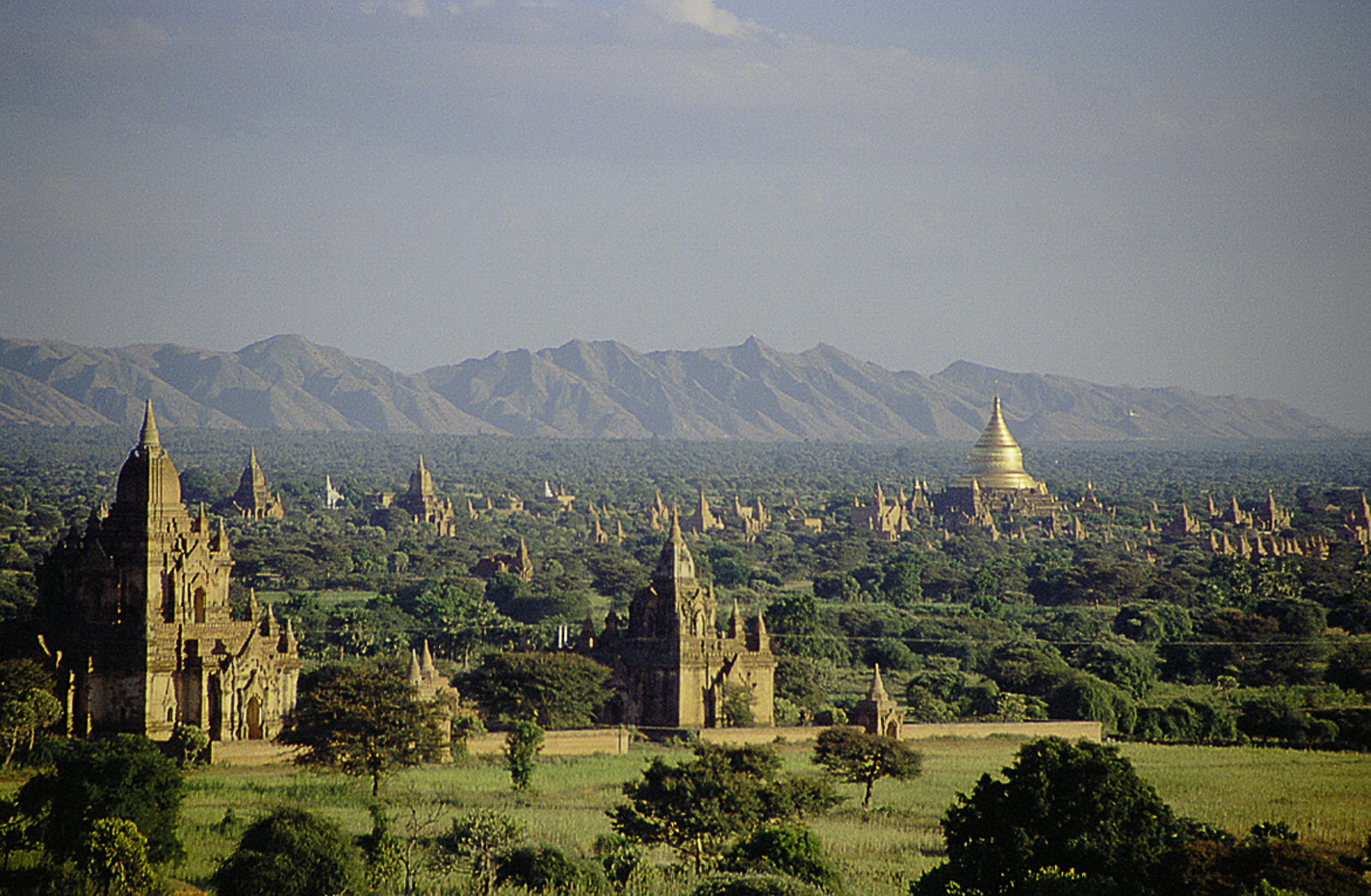
Bagan, located in central Myanmar, is an extensive archaeological zone featuring over 2,000 surviving Buddhist temples, pagodas, and monasteries constructed between the 11th and 13th centuries CE. This ancient city was the capital of the Pagan Kingdom and played a crucial role in the spread of Theravada Buddhism in Southeast Asia. The temples vary in style and scale, showcasing impressive stucco work, murals, and stone carvings. Bagan’s vast sacred landscape remains a vital pilgrimage site and a testament to Myanmar’s religious and cultural history.
History & Origins
Founded around 1057 CE, Bagan was the capital of the Pagan Kingdom under King Anawrahta, who unified the region and established Theravada Buddhism as the dominant religion. The city flourished between the 11th and 13th centuries, during which over 10,000 Buddhist temples, pagodas, and monasteries were constructed across a 104-square-kilometer plain along the Irrawaddy River. Today, more than 2,000 of these structures survive, showcasing diverse architectural styles from early brick temples to elaborate stucco and terracotta ornamentation. Bagan's temples were sponsored by royalty and affluent donors, reflecting religious devotion and political authority. The city endured Mongol invasions in the late 13th century, which contributed to its decline, but restoration efforts began in the 20th century to preserve its cultural heritage. The site was inscribed as a UNESCO World Heritage Site in 2019, recognizing its historical significance as a center of Buddhist scholarship and art. Archaeological excavations have uncovered murals and inscriptions that shed light on Pagan's religious practices and socio-political structures.
Spiritual Significance
Bagan stands as a monumental testament to Theravada Buddhism, where pilgrims engage in circumambulation of key temples such as Ananda and Shwezigon, venerating Buddha statues dating from the 11th century. The site has long been a pilgrimage destination during major Buddhist festivals like Thadingyut (Festival of Lights) and Waso, marking the beginning of the Buddhist Lent. Monks perform daily chanting of the Pali Canon scriptures within the temples, preserving doctrinal teachings central to Theravada practice. The temples house relics believed to be associated with the historical Buddha, attracting devotees seeking merit through almsgiving and meditation. The extensive reliefs depict Jataka tales, reinforcing moral lessons from Buddha's previous lives. Pilgrims often fly hot air balloons over the plains during festivals, symbolizing spiritual elevation. Bagan's religious landscape embodies the integration of royal patronage with Buddhist cosmology, where temple construction was seen as a means to accrue karmic merit and ensure the kingdom's prosperity.
Key Facts
- •Over 2,000 of the original 10,000+ temples survive today
- •Built between the 11th and 13th centuries during the Pagan Kingdom
- •Covers a 104-square-kilometer plain along the Irrawaddy River
- •UNESCO World Heritage Site since 2019
- •The Ananda Temple (1105 CE) is considered the masterpiece of Bagan
Location
Coordinates: 21.1717, 94.8585
Frequently Asked Questions
What religion is Bagan associated with?▾
Bagan is a Buddhism holy site located in Myanmar. It was established c. 1057 CE and is ranked #34 in our global directory of sacred sites.
When was Bagan established?▾
Bagan dates back to c. 1057 CE. Over 2,000 of the original 10,000+ temples survive today
How many people visit Bagan each year?▾
Bagan receives approximately 300,000 visitors per year. Built between the 11th and 13th centuries during the Pagan Kingdom
What is Bagan known for?▾
An ancient city with over 2,000 Buddhist temples and pagodas. Visitors come seeking meditation, peace, spiritual enlightenment, blessings. Covers a 104-square-kilometer plain along the Irrawaddy River
Related Holy Sites
Sacred places connected by country, religion, and purpose
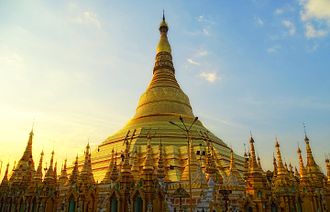
🪷Shwedagon Pagoda
Myanmar's most sacred Buddhist pagoda, gilded with 60 tons of gold.
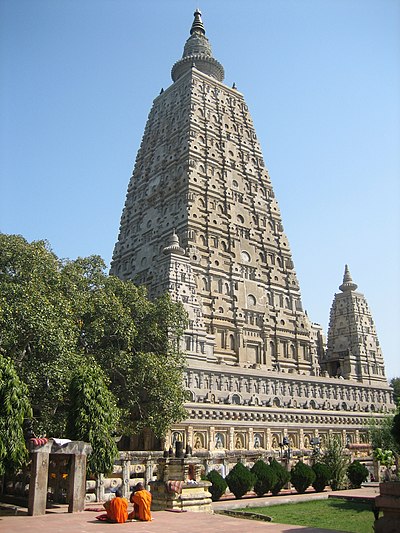
☸️Bodh Gaya (Mahabodhi Temple)
Where Siddhartha Gautama attained enlightenment and became the Buddha.
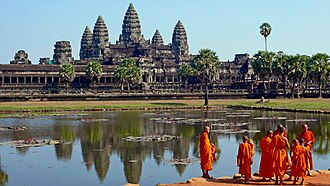
🛕Angkor Wat
The largest religious monument in the world, originally Hindu then Buddhist.