
☸️ Bodh Gaya (Mahabodhi Temple)
India
About This Sacred Site
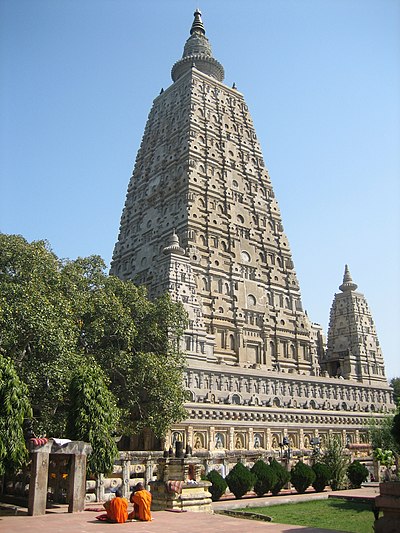
Bodh Gaya in Bihar, India, is Buddhism’s most sacred site, where Prince Siddhartha Gautama attained enlightenment under the Bodhi Tree around 528 BCE, becoming the Buddha. The Mahabodhi Temple complex, a UNESCO World Heritage site, marks this sacred spot with its towering pyramidal structure and a descendant of the original Bodhi Tree. Pilgrims from around the world visit to meditate and pay homage. The site also hosts various monasteries representing Buddhist traditions, emphasizing its global spiritual importance.
Spiritual Significance
Bodh Gaya, recognized as a UNESCO World Heritage Site since 2002, is the location where Siddhartha Gautama attained enlightenment under the Bodhi Tree around 528 BCE. The Mahabodhi Temple, standing 55 meters tall, marks this historic event and serves as a pilgrimage destination for Buddhists worldwide. The current Bodhi Tree is believed to be a direct descendant of the original tree under which the Buddha meditated, preserved through successive generations. Pilgrims engage in meditation, chanting of the Dhammapada and other sutras, and circumambulation of the temple complex. Major festivals such as Buddha Purnima celebrate the Buddha's birth, enlightenment, and death at this site. Emperor Ashoka, around 3rd century BCE, was instrumental in establishing the first Buddhist shrine here, promoting its growth as a spiritual center. The site's architecture features intricate carvings depicting Buddhist teachings and Jataka tales, reinforcing its doctrinal significance.
Key Facts
- •UNESCO World Heritage Site since 2002
- •The current Bodhi Tree is believed to be a direct descendant of the original
- •The Mahabodhi Temple stands 55 meters tall
- •Emperor Ashoka built the first temple here in the 3rd century BCE
- •Buddhists from over 80 countries have built monasteries in Bodh Gaya
Location
Coordinates: 24.6961, 84.9911
Frequently Asked Questions
What religion is Bodh Gaya (Mahabodhi Temple) associated with?▾
Bodh Gaya (Mahabodhi Temple) is a Buddhism holy site located in India. It was established c. 528 BCE and is ranked #5 in our global directory of sacred sites.
When was Bodh Gaya (Mahabodhi Temple) established?▾
Bodh Gaya (Mahabodhi Temple) dates back to c. 528 BCE. UNESCO World Heritage Site since 2002
How many people visit Bodh Gaya (Mahabodhi Temple) each year?▾
Bodh Gaya (Mahabodhi Temple) receives approximately 3+ million visitors per year. The current Bodhi Tree is believed to be a direct descendant of the original
What is Bodh Gaya (Mahabodhi Temple) known for?▾
Where Siddhartha Gautama attained enlightenment and became the Buddha. Visitors come seeking spiritual enlightenment, meditation, peace, guidance. The Mahabodhi Temple stands 55 meters tall
Related Holy Sites
Sacred places connected by country, religion, and purpose
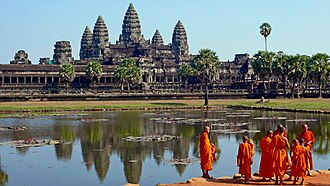
🛕Angkor Wat
The largest religious monument in the world, originally Hindu then Buddhist.
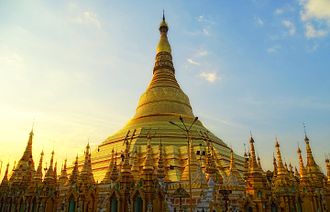
🪷Shwedagon Pagoda
Myanmar's most sacred Buddhist pagoda, gilded with 60 tons of gold.
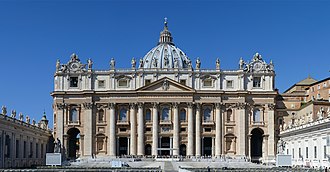
⛪Vatican City (St. Peter's Basilica)
The spiritual center of Roman Catholicism and home of the Pope.
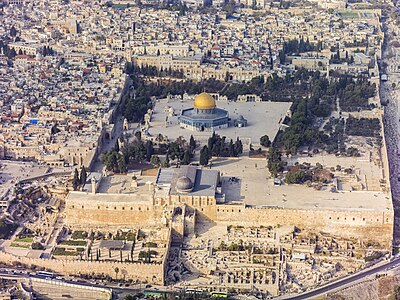
🕌Temple Mount / Al-Aqsa (Jerusalem)
Sacred to Judaism, Christianity, and Islam — the most contested holy site on Earth.

