
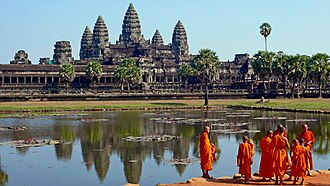
🛕 Angkor Wat
Cambodia
About This Sacred Site
Angkor Wat in Cambodia is the largest religious monument ever built, spanning over 400 acres. Originally constructed in the early 12th century as a Hindu temple dedicated to Vishnu by King Suryavarman II, it later transformed into a Buddhist site. Renowned for its grandeur, intricate bas-reliefs, and symbolic architecture representing Mount Meru, it stands as a masterpiece of Khmer architecture and spiritual devotion. Today, it is a UNESCO World Heritage site and a major pilgrimage and tourist destination.
History & Origins
Angkor Wat was constructed between 1113 and 1150 CE by King Suryavarman II as a Hindu temple dedicated to Vishnu, situated in present-day Cambodia. Covering over 400 acres, it is the largest religious monument in the world and features a central quincunx of towers symbolizing Mount Meru, the center of the universe in Hindu cosmology. The temple complex contains more than 3,000 bas-relief carvings of celestial dancers known as Apsaras, intricately chiseled into sandstone walls. After the decline of the Khmer Empire, Angkor Wat gradually transformed into a Buddhist site by the 14th century, which led to modifications in iconography and use. French explorer Henri Mouhot brought international attention to the ruins in the 1860s, prompting extensive restoration efforts by the École française d'Extrême-Orient beginning in the early 20th century. Today, Angkor Wat remains a symbol of Cambodia, featuring on its national flag and attracting millions of visitors annually.
Spiritual Significance
Angkor Wat was designed as a microcosm of the Hindu universe, with its central tower representing Mount Meru, the sacred mountain in Hindu cosmology. The temple’s layout aligns with cardinal points and incorporates extensive iconography from Hindu epics like the Ramayana and Mahabharata, used in ritual recitations and royal ceremonies. Buddhist monks have performed rites at the site since its religious transition, maintaining its spiritual relevance. Annual festivals such as the Khmer New Year include ceremonial offerings and processions around the temple’s moats, reflecting syncretism between Hindu and Buddhist practices. Pilgrims often circumambulate the central sanctuary, engaging in meditation and prayer consistent with Theravada Buddhist traditions prevalent in Cambodia.
Key Facts
- •Largest religious monument in the world at over 400 acres
- •Built by King Suryavarman II between 1113 and 1150 CE
- •Contains over 3,000 celestial dancers (Apsaras) carved in stone
- •The temple is oriented to the west, unusual for Hindu temples
- •Featured on the Cambodian national flag — the only building on any national flag
Location
Coordinates: 13.4125, 103.8670
Frequently Asked Questions
What religion is Angkor Wat associated with?▾
Angkor Wat is a Buddhism holy site located in Cambodia. It was established 1150 CE and is ranked #10 in our global directory of sacred sites.
When was Angkor Wat established?▾
Angkor Wat dates back to 1150 CE. Largest religious monument in the world at over 400 acres
How many people visit Angkor Wat each year?▾
Angkor Wat receives approximately 2.6 million visitors per year. Built by King Suryavarman II between 1113 and 1150 CE
What is Angkor Wat known for?▾
The largest religious monument in the world, originally Hindu then Buddhist. Visitors come seeking spiritual enlightenment, peace, ancestral connection, meditation. Contains over 3,000 celestial dancers (Apsaras) carved in stone
Related Holy Sites
Sacred places connected by country, religion, and purpose
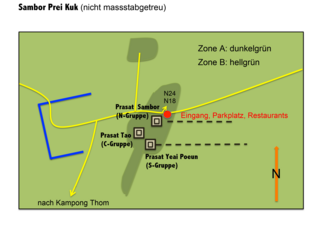
🏛️Sambor Prei Kuk
Pre-Angkorian temple ruins that served as the capital of the Chenla Empire.
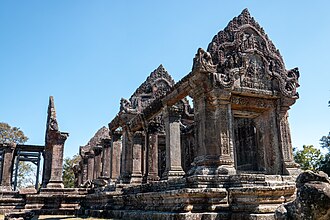
🏛️Preah Vihear Temple
A cliffside Hindu temple perched atop a 525-meter escarpment in the Dangrek Mountains.
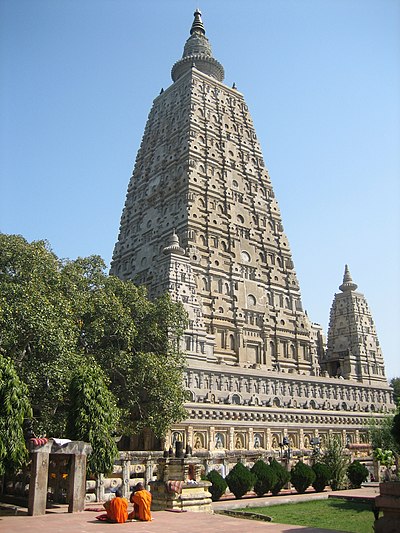
☸️Bodh Gaya (Mahabodhi Temple)
Where Siddhartha Gautama attained enlightenment and became the Buddha.
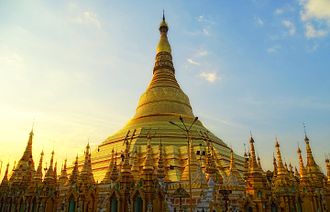
🪷Shwedagon Pagoda
Myanmar's most sacred Buddhist pagoda, gilded with 60 tons of gold.
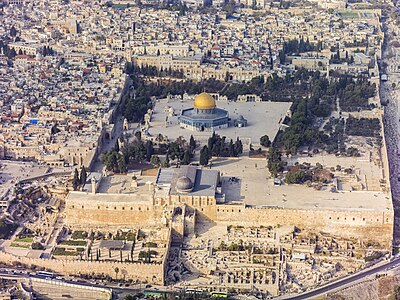
🕌Temple Mount / Al-Aqsa (Jerusalem)
Sacred to Judaism, Christianity, and Islam — the most contested holy site on Earth.
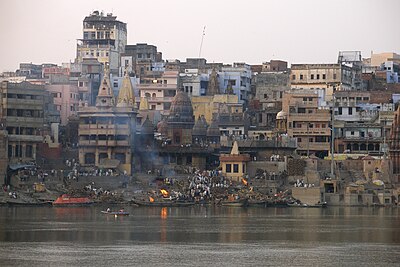
🙏Varanasi (Kashi Vishwanath Temple)
The holiest city in Hinduism, where the Ganges River purifies the soul.

