☸️ Kopan Monastery
Nepal
About This Sacred Site
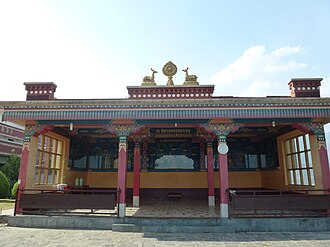
Kopan Monastery is a Tibetan Buddhist monastery perched on a hilltop north of the great stupa of Boudhanath in Kathmandu, Nepal, known worldwide for its meditation courses that have attracted thousands of international students since the 1970s. Founded in 1969 by Lama Thubten Yeshe and Lama Zopa Rinpoche, Kopan is affiliated with the Foundation for the Preservation of the Mahayana Tradition (FPMT), a global network of over 160 Buddhist centers. The monastery houses approximately 360 monks and nuns who study Buddhist philosophy, debate, and practice meditation according to the Gelug school of Tibetan Buddhism. Its hilltop location provides panoramic views across the Kathmandu Valley to the Himalayan foothills, and the terraced gardens, prayer wheels, and golden-roofed gompa (meditation hall) create an atmosphere of concentrated serenity that contrasts sharply with the chaotic city below.
History & Origins
Kopan's story begins with two Tibetan refugees who fled the Chinese occupation of Tibet. Lama Thubten Yeshe and his young student Lama Zopa Rinpoche arrived in Nepal in the 1960s, part of the wave of exiled Tibetan Buddhists seeking to preserve their tradition. In 1969, they acquired a small hilltop property north of Boudhanath and established a modest monastery. The turning point came in 1971, when they began offering meditation courses to Western visitors, starting with a small group of backpackers and spiritual seekers traveling the 'hippie trail' through Nepal. These November courses, which grew to become the famous month-long November meditation retreats, attracted participants from across Europe, North America, and Australia. Many went on to establish Buddhist centers in their home countries, creating the global FPMT network. Lama Yeshe passed away in 1984, and Lama Zopa Rinpoche continued as spiritual director until his death in 2024, leaving behind a legacy of making Tibetan Buddhist teachings accessible to a global audience. The monastery has expanded significantly over the decades, adding a nunnery (Khachoe Ghakyil Ling) nearby, a school for local children, and improved facilities for the growing number of course participants.
Spiritual Significance
Kopan's spiritual importance lies in its role as a bridge between ancient Tibetan Buddhist practice and contemporary seekers from around the world. The monastery follows the Gelug tradition, emphasizing analytical meditation (lam-rim, the 'graduated path to enlightenment'), debate, and the study of classical Tibetan philosophical texts. What distinguishes Kopan from many traditional monasteries is its deliberate openness to non-Buddhist visitors. The meditation courses are designed to be accessible regardless of background, beginning with basic mindfulness techniques and gradually introducing Buddhist concepts of impermanence, compassion, and the nature of mind. The monastery's daily schedule follows traditional monastic patterns: monks rise at 4:30 AM for morning prayers and debate, and the sound of horns, drums, and chanting echoes across the hilltop at dawn and dusk. For course participants, the experience of living within this rhythm -- even for a week or a month -- often proves genuinely transformative. The hilltop setting also holds practical spiritual significance: elevated above the noise and pollution of Kathmandu, the monastery embodies the Buddhist ideal of retreat from worldly distraction as a prerequisite for inner clarity.
Key Facts
- •Founded in 1969 by Lama Thubten Yeshe and Lama Zopa Rinpoche
- •Famous for month-long meditation courses attracting international students since the 1970s
- •Affiliated with the FPMT, a global network of Buddhist centers
- •Located on a hilltop with panoramic views of the Kathmandu Valley
- •Houses approximately 360 monks and nuns studying Buddhist philosophy
Visitor Guide
Kopan Monastery is located about 30 minutes by taxi from Thamel, Kathmandu's tourist district, on a hill beyond Boudhanath. Casual visitors are welcome during the day (approximately 6:00 AM to 6:00 PM); there is no entrance fee, though donations are appreciated. Remove shoes before entering the gompa and other prayer halls. Walk clockwise around stupas, prayer wheels, and the monastery buildings. Photography is permitted in outdoor areas but restricted during ceremonies and inside the main gompa. The famous November meditation course (typically 10 to 30 days) fills up months in advance and requires online registration through the FPMT website. Shorter weekend and week-long courses are offered throughout the year. Course participants stay on-site in dormitory-style accommodation, with vegetarian meals included. The monastery also welcomes volunteers for teaching English, gardening, and administrative tasks. From Kopan, it is a short walk downhill to the Boudhanath stupa, one of the largest Buddhist stupas in the world and the center of Tibetan exile culture in Nepal. October and November offer the best weather, with clear skies and Himalayan views.
Location
Coordinates: 27.7355, 85.3654
Frequently Asked Questions
What religion is Kopan Monastery associated with?▾
Kopan Monastery is a Buddhism holy site located in Nepal. It was established 1969 CE and is ranked #908 in our global directory of sacred sites.
When was Kopan Monastery established?▾
Kopan Monastery dates back to 1969 CE. Founded in 1969 by Lama Thubten Yeshe and Lama Zopa Rinpoche
How many people visit Kopan Monastery each year?▾
Kopan Monastery receives approximately 100,000+ visitors per year. Famous for month-long meditation courses attracting international students since the 1970s
What is Kopan Monastery known for?▾
A Tibetan Buddhist monastery famous for its meditation courses open to international visitors. Visitors come seeking meditation, spiritual enlightenment, peace, guidance. Affiliated with the FPMT, a global network of Buddhist centers
Related Holy Sites
Sacred places connected by country, religion, and purpose
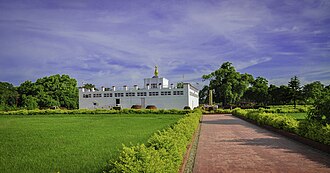
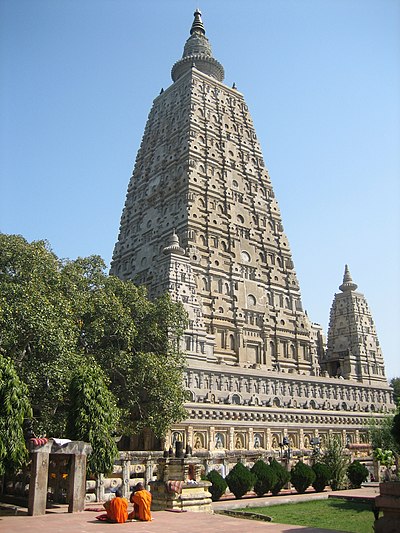
☸️Bodh Gaya (Mahabodhi Temple)
Where Siddhartha Gautama attained enlightenment and became the Buddha.
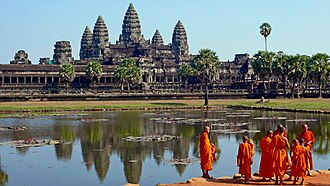
🛕Angkor Wat
The largest religious monument in the world, originally Hindu then Buddhist.