☸️ Lumbini
Nepal
About This Sacred Site
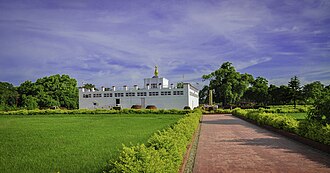
Lumbini, located in southern Nepal near the Indian border, is revered as the birthplace of Siddhartha Gautama, who became the Buddha around 563 BCE. This sacred garden complex encompasses ancient ruins, monasteries from various Buddhist traditions, and the revered Ashoka Pillar erected by Emperor Ashoka in the 3rd century BCE. A UNESCO World Heritage Site, Lumbini serves as a pilgrimage destination attracting devotees and scholars worldwide, symbolizing the origins of Buddhism and its teachings on compassion and enlightenment.
Spiritual Significance
Lumbini in Nepal is the birthplace of Siddhartha Gautama, who became the Buddha around 563 BCE, marked by the Mayadevi Temple that enshrines the exact spot of his birth. As a UNESCO World Heritage Site since 1997, it attracts pilgrims who perform circumambulation rituals around the Ashoka Pillar, erected in 249 BCE by Emperor Ashoka, which bears an inscription confirming the site's sanctity. Pilgrims participate in meditation and chanting of the Dhammapada verses, particularly during Buddha Jayanti, the celebration of the Buddha's birth, enlightenment, and parinirvana. The site features ancient monastic ruins dating from the 3rd century BCE onwards, including stupas and monasteries from various Buddhist traditions such as Theravada, Mahayana, and Vajrayana, emphasizing its pan-Buddhist significance. The Lumbini Development Trust administers the site, facilitating pilgrimage practices that include offerings of flowers and lamps and recitation of the Four Noble Truths. The location is frequently referenced in Buddhist scriptures like the Lalitavistara Sutra, highlighting its theological importance as the origin point of the Buddha's earthly life and teachings.
Key Facts
- •Emperor Ashoka visited in 249 BCE and erected a commemorative pillar
- •UNESCO World Heritage Site since 1997
- •The Mayadevi Temple marks the exact birthplace of the Buddha
- •A sacred pool (Puskarini) is where Maya Devi is said to have bathed before giving birth
- •Over 25 international monasteries have been built in the surrounding area
Location
Coordinates: 27.4833, 83.2753
Frequently Asked Questions
What religion is Lumbini associated with?▾
Lumbini is a Buddhism holy site located in Nepal. It was established c. 563 BCE and is ranked #16 in our global directory of sacred sites.
When was Lumbini established?▾
Lumbini dates back to c. 563 BCE. Emperor Ashoka visited in 249 BCE and erected a commemorative pillar
How many people visit Lumbini each year?▾
Lumbini receives approximately 1.5 million visitors per year. UNESCO World Heritage Site since 1997
What is Lumbini known for?▾
The birthplace of Siddhartha Gautama, who became the Buddha. Visitors come seeking peace, spiritual enlightenment, meditation, blessings. The Mayadevi Temple marks the exact birthplace of the Buddha
Related Holy Sites
Sacred places connected by country, religion, and purpose
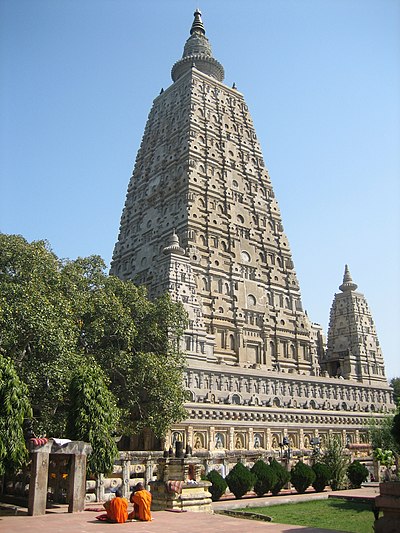
☸️Bodh Gaya (Mahabodhi Temple)
Where Siddhartha Gautama attained enlightenment and became the Buddha.
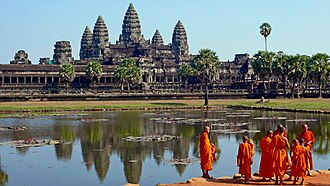
🛕Angkor Wat
The largest religious monument in the world, originally Hindu then Buddhist.