☸️ Boudhanath Stupa
Nepal
About This Sacred Site
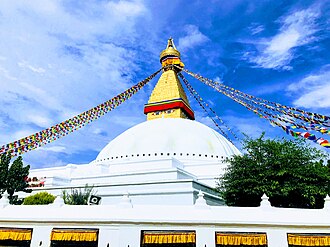
Boudhanath Stupa in Kathmandu is one of the largest spherical stupas in the world and the most important Tibetan Buddhist pilgrimage site outside Tibet. The massive mandala-shaped stupa, 36 meters tall, is surrounded by over 50 Tibetan Buddhist monasteries and is the center of Tibetan culture in Nepal. Pilgrims circumambulate the stupa clockwise, spinning prayer wheels and chanting mantras. After China's annexation of Tibet in 1959, many Tibetan refugees settled around Boudhanath, transforming the area into a vibrant center of Tibetan Buddhist culture and practice.
Spiritual Significance
Boudhanath Stupa, constructed in the 14th century CE, ranks among the largest spherical stupas globally at 36 meters tall, serving as a vital center for Tibetan Buddhism in Nepal. Surrounded by over 50 Tibetan Buddhist monasteries, the site functions as a hub for Vajrayana teachings and rituals, particularly for the Newar and Tibetan refugee communities who settled there after 1959. Pilgrims perform clockwise circumambulation around the stupa's base, often spinning hundreds of prayer wheels embedded in the surrounding walls, reciting the mantra Om Mani Padme Hum to invoke Avalokiteshvara's compassion. The stupa's massive white dome symbolizes the earth element, topped by a gilded spire representing the thirteen stages of spiritual enlightenment as outlined in the Vajrayana tradition. Annual festivals such as Lhosar (Tibetan New Year) and Buddha Jayanti attract thousands of devotees who engage in butter lamp offerings, mandala creation, and ritual dances. The stupa enshrines relics of the Buddha and sacred texts, making it a locus for merit accumulation and meditation. Monastic communities conduct teachings based on the Kangyur and Tengyur scriptures, sustaining doctrinal transmission. Boudhanath’s iconic eyes painted on the spire symbolize Buddha’s omnipresence and vigilance, reinforcing its role as a beacon of peace and spiritual awakening.
Key Facts
- •One of the largest spherical stupas in the world at 36 meters tall
- •Surrounded by over 50 Tibetan Buddhist monasteries
- •Became a center for Tibetan refugees after 1959
- •The stupa is designed as a mandala representing the Buddhist cosmology
- •UNESCO World Heritage Site and major stop on the ancient Tibet-Nepal trade route
Location
Coordinates: 27.7215, 85.3620
Frequently Asked Questions
What religion is Boudhanath Stupa associated with?▾
Boudhanath Stupa is a Buddhism holy site located in Nepal. It was established c. 14th century CE and is ranked #85 in our global directory of sacred sites.
When was Boudhanath Stupa established?▾
Boudhanath Stupa dates back to c. 14th century CE. One of the largest spherical stupas in the world at 36 meters tall
How many people visit Boudhanath Stupa each year?▾
Boudhanath Stupa receives approximately 1+ million visitors per year. Surrounded by over 50 Tibetan Buddhist monasteries
What is Boudhanath Stupa known for?▾
One of the largest spherical stupas in the world and center of Tibetan Buddhism in Nepal. Visitors come seeking meditation, peace, spiritual enlightenment, blessings. Became a center for Tibetan refugees after 1959
Related Holy Sites
Sacred places connected by country, religion, and purpose
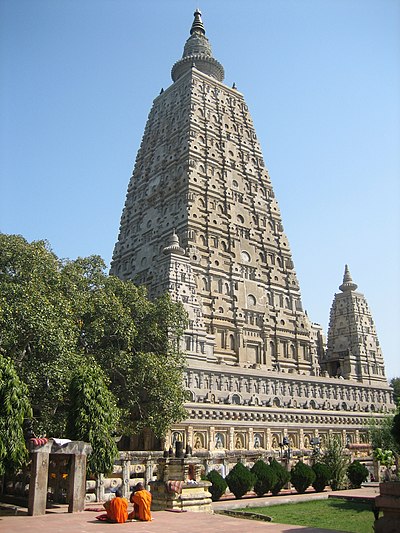
☸️Bodh Gaya (Mahabodhi Temple)
Where Siddhartha Gautama attained enlightenment and became the Buddha.
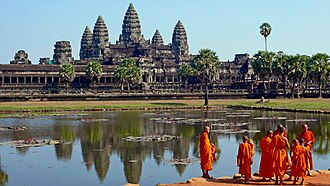
🛕Angkor Wat
The largest religious monument in the world, originally Hindu then Buddhist.