
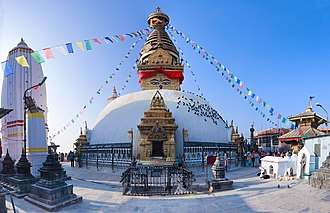
👁️ Swayambhunath (Monkey Temple)
Nepal
About This Sacred Site
Swayambhunath is an ancient Buddhist complex atop a hill in the Kathmandu Valley, one of the oldest and most revered pilgrimage sites in Nepal. The iconic white dome is crowned by a gilded spire painted on all four sides with the all-seeing eyes of the Buddha, symbolizing his watchfulness. According to legend, the entire Kathmandu Valley was once a lake, and Swayambhunath emerged from a lotus flower as the waters receded. The site is colloquially known as the 'Monkey Temple' due to the large troops of macaques that inhabit the complex and are considered holy by local Buddhists.
History & Origins
Swayambhunath, also known as the Monkey Temple, is one of Nepal's oldest Buddhist monuments, with origins possibly tracing back to the 5th century CE during the Licchavi period. The site is situated atop a hill west of Kathmandu Valley, providing strategic elevation and panoramic views that have historically served both spiritual and defensive purposes. The central stupa features a 36-meter tall white dome surmounted by a gilded spire decorated with the all-seeing Buddha eyes painted on all four sides, a symbol first documented in the 15th century during the Malla dynasty renovations. King Manadeva is credited with early construction efforts, while later Malla rulers expanded the complex with monasteries and shrines. The site suffered damage during the 2015 Nepal earthquake but underwent careful restoration funded by international Buddhist organizations. Swayambhunath's name derives from a Sanskrit term meaning "self-created," referencing a sacred lotus that emerged spontaneously from a primordial lake, as narrated in ancient Nepalese chronicles. The complex includes numerous shrines, prayer wheels, and statues, reflecting a syncretism of Tibetan and Newari artistic influences over centuries.
Spiritual Significance
Swayambhunath is a major pilgrimage site for both Tibetan Buddhists and Newar Buddhists, embodying key Mahayana and Vajrayana traditions. The stupa's all-seeing Buddha eyes symbolize omniscience and compassion, encouraging devotees to cultivate mindfulness and wisdom as taught in the Prajnaparamita Sutras. Pilgrims perform clockwise circumambulation (kora) around the stupa, spinning over 200 prayer wheels inscribed with the mantra Om Mani Padme Hum, invoking Avalokiteshvara’s blessings. The site hosts the annual Buddha Jayanti festival celebrating the birth of Siddhartha Gautama, featuring ritual offerings, masked dances (cham), and recitations of the Lotus Sutra. Monks from nearby monasteries conduct pujas and meditation retreats, reinforcing monastic-lay community ties. Swayambhunath also serves as a locus for Tibetan refugee monks who fled Tibet after 1959, preserving Tibetan Buddhist lineages. The presence of monkeys within the complex is culturally significant, believed to be divine attendants of the deity Manjushri, who, according to legend, drained the primordial lake to reveal the hill. This intertwines natural elements with sacred narratives central to Nepalese Buddhist cosmology.
Key Facts
- •One of the oldest Buddhist sites in Nepal, possibly dating to the 5th century CE
- •The all-seeing Buddha eyes painted on all four sides of the spire are iconic symbols of Nepal
- •Legend says the hill emerged from a lotus when the Kathmandu Valley was a lake
- •Home to hundreds of sacred monkeys, earning the nickname 'Monkey Temple'
- •UNESCO World Heritage Site since 1979
Location
Coordinates: 27.7149, 85.2903
Frequently Asked Questions
What religion is Swayambhunath (Monkey Temple) associated with?▾
Swayambhunath (Monkey Temple) is a Buddhism holy site located in Nepal. It was established c. 5th century CE and is ranked #82 in our global directory of sacred sites.
When was Swayambhunath (Monkey Temple) established?▾
Swayambhunath (Monkey Temple) dates back to c. 5th century CE. One of the oldest Buddhist sites in Nepal, possibly dating to the 5th century CE
How many people visit Swayambhunath (Monkey Temple) each year?▾
Swayambhunath (Monkey Temple) receives approximately 1+ million visitors per year. The all-seeing Buddha eyes painted on all four sides of the spire are iconic symbols of Nepal
What is Swayambhunath (Monkey Temple) known for?▾
An ancient hilltop stupa overlooking Kathmandu, with the all-seeing eyes of the Buddha. Visitors come seeking spiritual enlightenment, peace, meditation, blessings. Legend says the hill emerged from a lotus when the Kathmandu Valley was a lake
Related Holy Sites
Sacred places connected by country, religion, and purpose
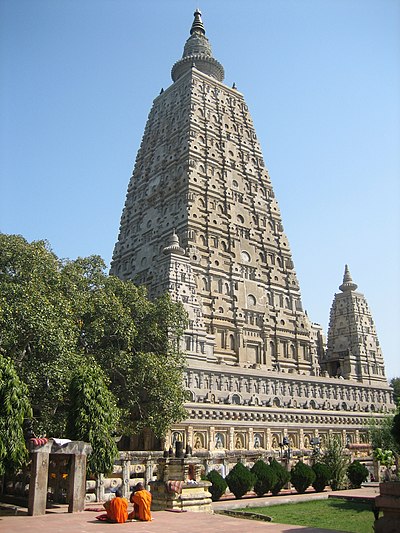
☸️Bodh Gaya (Mahabodhi Temple)
Where Siddhartha Gautama attained enlightenment and became the Buddha.
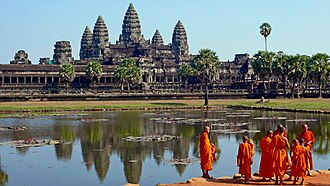
🛕Angkor Wat
The largest religious monument in the world, originally Hindu then Buddhist.
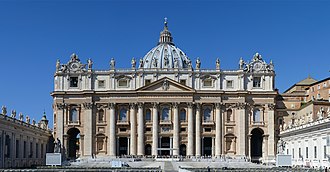
⛪Vatican City (St. Peter's Basilica)
The spiritual center of Roman Catholicism and home of the Pope.
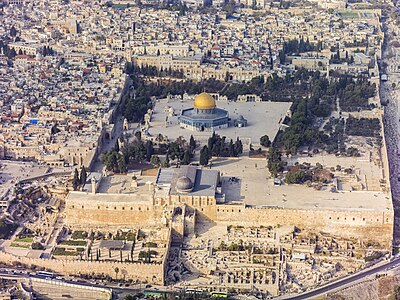
🕌Temple Mount / Al-Aqsa (Jerusalem)
Sacred to Judaism, Christianity, and Islam — the most contested holy site on Earth.

