
🪷 Borobudur
Indonesia
About This Sacred Site
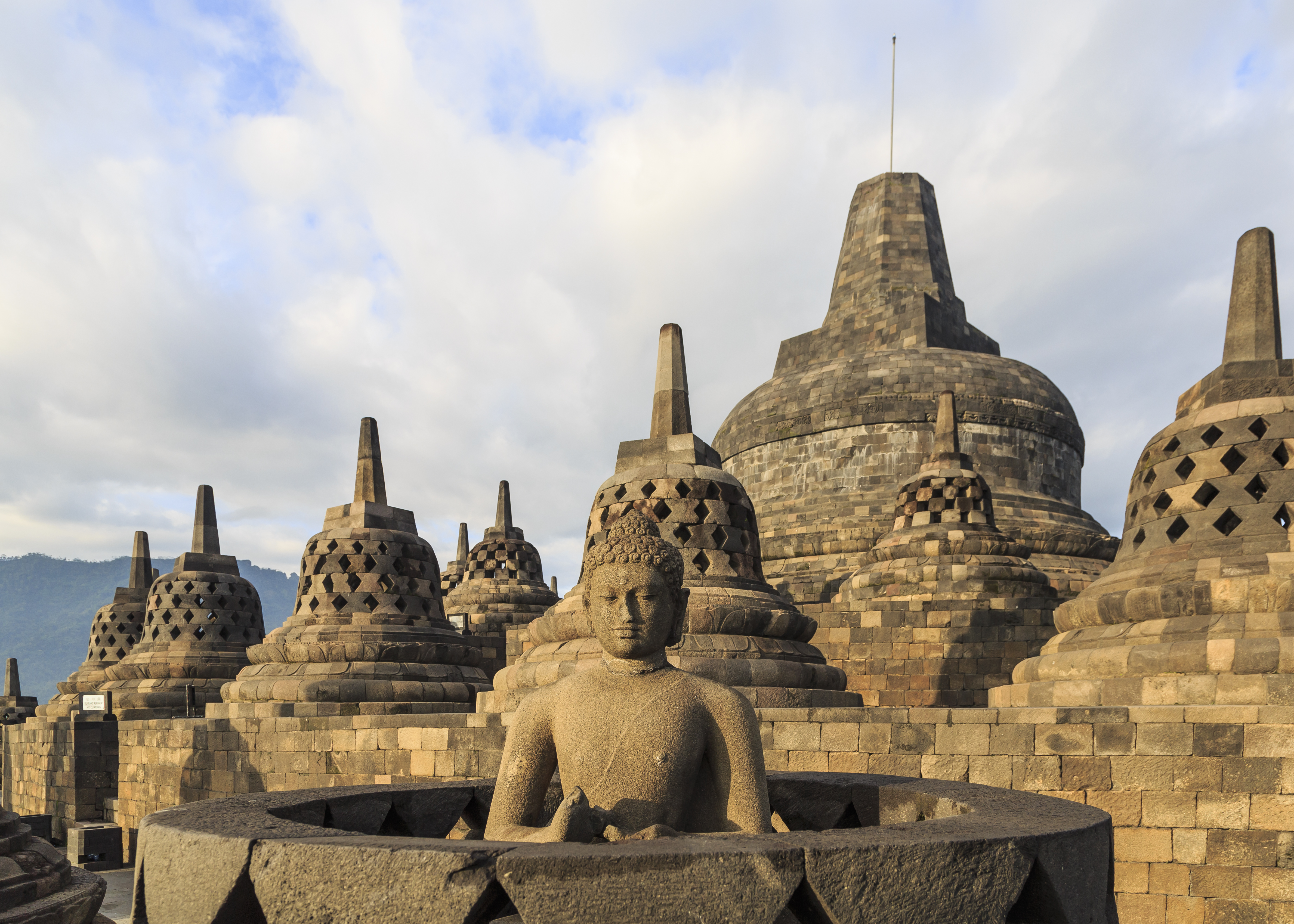
Borobudur, located in Central Java, Indonesia, is the world’s largest Buddhist temple and a masterpiece of 9th-century architecture. Constructed during the Sailendra dynasty, this massive stone monument features nine stacked platforms adorned with 2,672 relief panels and 504 Buddha statues. Its design symbolizes the Buddhist cosmology, guiding pilgrims through three levels of spiritual enlightenment: Kamadhatu, Rupadhatu, and Arupadhatu. After centuries of abandonment, Borobudur was rediscovered in the 19th century and restored, now serving as a UNESCO World Heritage Site and a focal point for Mahayana Buddhist pilgrimage.
History & Origins
Constructed between 750 and 842 CE during the Sailendra Dynasty's rule in Central Java, Borobudur was built as a Mahayana Buddhist mandala using approximately two million volcanic stones. The monument underwent restoration from 1973 to 1983 under UNESCO's guidance to address erosion and structural damage caused by earthquakes and volcanic activity. This 9th-century temple features 2,672 relief panels, the largest collection worldwide, depicting Jataka tales and the life of Siddhartha Gautama. Its 504 Buddha statues are arranged in terraces culminating with a central dome surrounded by 72 perforated stupas. The site was abandoned in the 14th century following the decline of Buddhism and rediscovered in the 19th century during the Dutch colonial period. Borobudur remains a major pilgrimage destination, especially during Vesak celebrations.
Spiritual Significance
Borobudur functions as a symbolic path to enlightenment, where pilgrims circumambulate each of its nine stacked platforms ascending from the base to the summit, reflecting the Buddhist cosmology of Kamadhatu, Rupadhatu, and Arupadhatu realms. The extensive reliefs illustrate the Buddha's life and teachings, serving as visual sermons based on the Lalitavistara and Gandavyuha sutras. The 72 stupas atop contain seated Buddha images, symbolizing the attainment of Nirvana. During Vesak, Buddhist monks and devotees perform rituals, chanting the Tripitaka and engaging in meditation. The monument's architecture embodies the principles of mandala design and the concept of Samsara, reinforcing doctrinal teachings on the cycle of birth, death, and rebirth.
Key Facts
- •Contains 2,672 individual relief panels — the largest collection in the world
- •504 Buddha statues are arranged across the temple levels
- •Built between 750 and 842 CE using approximately 2 million stone blocks
- •Abandoned and hidden under volcanic ash for centuries until rediscovered in 1814
- •UNESCO World Heritage Site since 1991
Location
Coordinates: -7.6079, 110.2038
Frequently Asked Questions
What religion is Borobudur associated with?▾
Borobudur is a Buddhism holy site located in Indonesia. It was established c. 800 CE and is ranked #22 in our global directory of sacred sites.
When was Borobudur established?▾
Borobudur dates back to c. 800 CE. Contains 2,672 individual relief panels — the largest collection in the world
How many people visit Borobudur each year?▾
Borobudur receives approximately 2+ million visitors per year. 504 Buddha statues are arranged across the temple levels
What is Borobudur known for?▾
The world's largest Buddhist temple, with 2,672 relief panels. Visitors come seeking spiritual enlightenment, meditation, peace, pilgrimage. Built between 750 and 842 CE using approximately 2 million stone blocks
Related Holy Sites
Sacred places connected by country, religion, and purpose
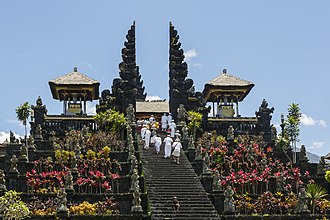
🏔️Pura Besakih (Mother Temple of Bali)
The holiest and largest Hindu temple complex in Bali, on the slopes of Mount Agung.
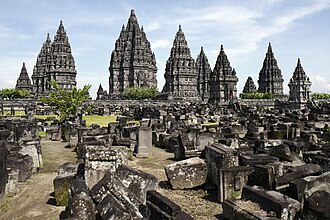
🏛️Prambanan Temple
The largest Hindu temple complex in Indonesia, with towering spires dedicated to the Trimurti.
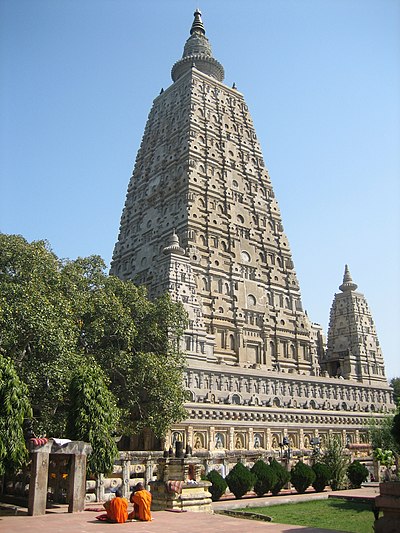
☸️Bodh Gaya (Mahabodhi Temple)
Where Siddhartha Gautama attained enlightenment and became the Buddha.
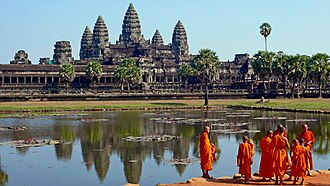
🛕Angkor Wat
The largest religious monument in the world, originally Hindu then Buddhist.
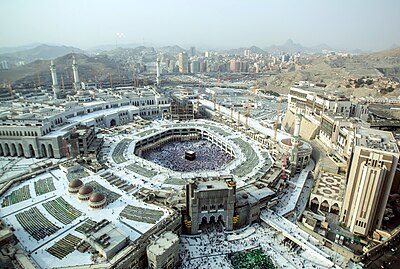
🕋Masjid al-Haram (Great Mosque of Mecca)
The holiest site in Islam, home of the Kaaba, and the destination for Hajj pilgrimage.

🕌Temple Mount / Al-Aqsa (Jerusalem)
Sacred to Judaism, Christianity, and Islam — the most contested holy site on Earth.

