🏛️ Prambanan Temple
Indonesia
About This Sacred Site
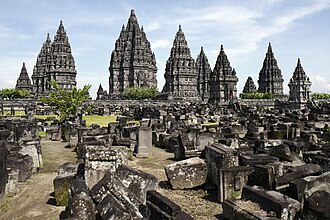
Prambanan is the largest Hindu temple complex in Indonesia and one of the largest in Southeast Asia, located near Yogyakarta in Central Java. Built in the 9th century during the Sanjaya dynasty, the complex originally contained 240 temples. The three main temples are dedicated to the Hindu Trimurti: Brahma the Creator, Vishnu the Preserver, and Shiva the Destroyer, with the central Shiva temple rising to 47 meters. The temples feature exquisite relief panels telling the story of the Ramayana epic. After being abandoned in the 10th century and damaged by an earthquake, the complex was rediscovered in 1811.
Spiritual Significance
Prambanan, established circa 850 CE, is Indonesia's largest Hindu temple complex, originally comprising 240 shrines, with the central Shiva temple towering at 47 meters. The temple's bas-reliefs intricately depict the Ramayana epic, illustrating key events such as Rama's exile and battle with Ravana, serving as a scriptural narrative in stone for devotees. Annual Ramayana Ballet performances held on the temple grounds during the dry season reenact these sacred stories, integrating ritual and art in worship. Pilgrims perform circumambulation around the central courtyard, offering prayers and flowers at shrines dedicated to Vishnu and Brahma, reflecting the Trimurti worship central to Shaivism. The temple's construction under the Sanjaya dynasty reflects Hindu cosmology and theology, with each temple symbolizing aspects of the universe as described in texts like the Agama Shastra. The complex’s unique pointed architecture exemplifies Hindu temple design adapted to the volcanic landscape of Java, reinforcing the site’s divine symbolism.
Key Facts
- •The largest Hindu temple complex in Indonesia with originally 240 temples
- •The central Shiva temple stands 47 meters tall
- •Features exquisite stone reliefs narrating the Ramayana epic
- •Built in the 9th century and abandoned after a volcanic eruption in the 10th century
- •UNESCO World Heritage Site since 1991
Location
Coordinates: -7.7520, 110.4914
Frequently Asked Questions
What religion is Prambanan Temple associated with?▾
Prambanan Temple is a Hinduism holy site located in Indonesia. It was established c. 850 CE and is ranked #110 in our global directory of sacred sites.
When was Prambanan Temple established?▾
Prambanan Temple dates back to c. 850 CE. The largest Hindu temple complex in Indonesia with originally 240 temples
How many people visit Prambanan Temple each year?▾
Prambanan Temple receives approximately 2+ million visitors per year. The central Shiva temple stands 47 meters tall
What is Prambanan Temple known for?▾
The largest Hindu temple complex in Indonesia, with towering spires dedicated to the Trimurti. Visitors come seeking blessings, ancestral connection, spiritual enlightenment, protection. Features exquisite stone reliefs narrating the Ramayana epic
Related Holy Sites
Sacred places connected by country, religion, and purpose
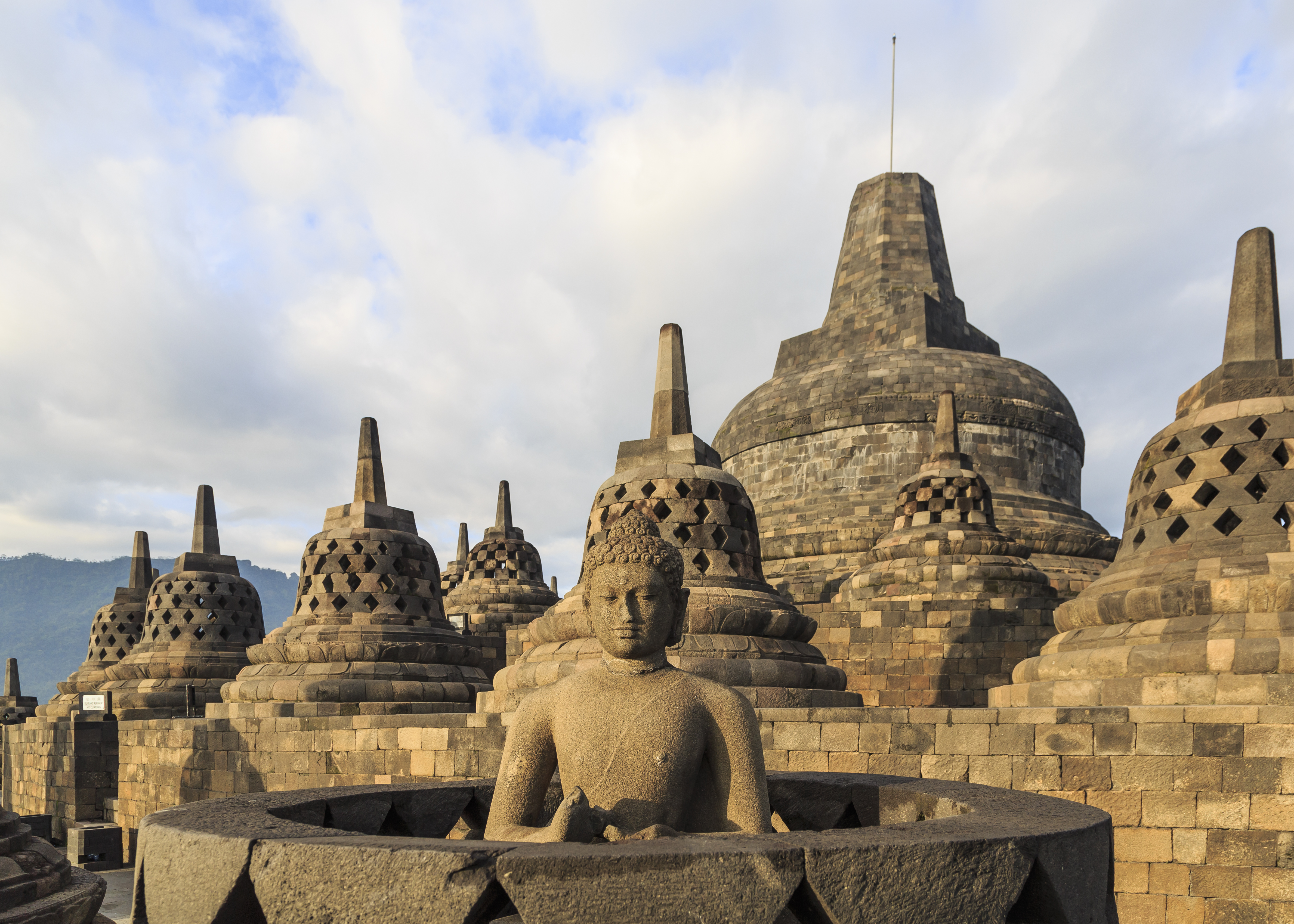
🪷Borobudur
The world's largest Buddhist temple, with 2,672 relief panels.
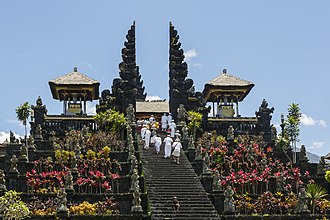
🏔️Pura Besakih (Mother Temple of Bali)
The holiest and largest Hindu temple complex in Bali, on the slopes of Mount Agung.
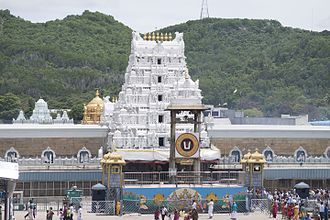
🛕Tirupati (Tirumala Venkateswara Temple)
The richest and most visited Hindu temple in the world.