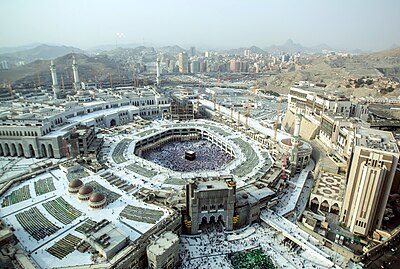
🕋 Masjid al-Haram (Great Mosque of Mecca)
Saudi Arabia
About This Sacred Site
Masjid al-Haram, located in Mecca, Saudi Arabia, is the largest mosque in the world and the holiest site in Islam. It encloses the Kaaba, a cuboid structure draped in black silk, which Muslims face during prayer worldwide. The mosque's origins trace back to c. 2000 BCE with Abraham and his son Ishmael believed to have built the Kaaba. Over centuries, it expanded vastly to accommodate millions of pilgrims during the annual Hajj. Its sprawling complex includes multiple minarets, prayer halls, and the Mataaf area for circumambulation around the Kaaba.
History & Origins
The Great Mosque of Mecca, established around 2000 BCE, is built around the Kaaba, which Islamic tradition holds was constructed by Prophet Abraham and his son Ishmael. The mosque has undergone numerous expansions, notably by Caliph Abd al-Malik in the 7th century and the Ottomans in the 16th century under Suleiman the Magnificent. The Saudi government initiated massive renovations and expansions starting in the 20th century, including the addition of the King Abdulaziz Expansion, increasing capacity to accommodate over 2 million worshippers. The mosque covers an area of 356,800 square meters, making it the largest mosque worldwide. It houses the Black Stone, embedded in the eastern corner of the Kaaba, which pilgrims attempt to touch or kiss during Tawaf. The site has survived conflicts, including the 1979 Grand Mosque seizure, after which security measures were enhanced. Modern developments include multi-level prayer halls and an extensive network of air conditioning and escalators to manage the millions of annual visitors.
Spiritual Significance
The mosque is the focal point of Islamic worship, as all Muslims face the Kaaba during Salat, the five daily prayers mandated by the Quran (Surah Al-Baqarah 2:144). The Hajj pilgrimage, one of the Five Pillars of Islam, requires Muslims to perform Tawaf, circumambulating the Kaaba seven times, and Sa’i, walking between the hills of Safa and Marwah inside the mosque precincts. The annual Hajj attracts over 2 million pilgrims from around the world, commemorating Prophet Abraham's devotion and submission to God. The mosque also serves as the site for Umrah, a lesser pilgrimage that can be undertaken any time of the year. Rituals performed here are deeply rooted in Hadith literature, including the practice of drinking Zamzam water from the sacred well located within the mosque. The mosque's spiritual status is elevated by its association with the revelation of the Quran to Prophet Muhammad, who led prayers here and established it as Islam's holiest sanctuary.
Key Facts
- •Largest mosque in the world, covering 356,800 square meters
- •The Kaaba is believed to have been built by Prophet Abraham and his son Ishmael
- •Over 2 million Muslims perform Hajj annually
- •The Black Stone (Hajar al-Aswad) is set in the eastern corner of the Kaaba
- •Non-Muslims are not permitted to enter Mecca
Location
Coordinates: 21.4225, 39.8262
Frequently Asked Questions
What religion is Masjid al-Haram (Great Mosque of Mecca) associated with?▾
Masjid al-Haram (Great Mosque of Mecca) is a Islam holy site located in Saudi Arabia. It was established c. 2000 BCE and is ranked #1 in our global directory of sacred sites.
When was Masjid al-Haram (Great Mosque of Mecca) established?▾
Masjid al-Haram (Great Mosque of Mecca) dates back to c. 2000 BCE. Largest mosque in the world, covering 356,800 square meters
How many people visit Masjid al-Haram (Great Mosque of Mecca) each year?▾
Masjid al-Haram (Great Mosque of Mecca) receives approximately 10+ million visitors per year. The Kaaba is believed to have been built by Prophet Abraham and his son Ishmael
What is Masjid al-Haram (Great Mosque of Mecca) known for?▾
The holiest site in Islam, home of the Kaaba, and the destination for Hajj pilgrimage. Visitors come seeking pilgrimage, forgiveness, purification, salvation. Over 2 million Muslims perform Hajj annually
Related Holy Sites
Sacred places connected by country, religion, and purpose
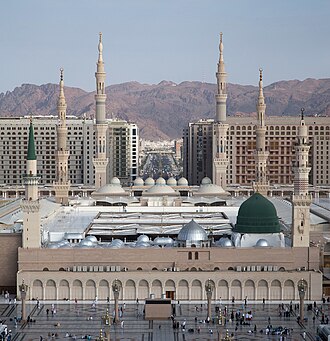
🕌Al-Masjid an-Nabawi (Prophet's Mosque)
The second holiest mosque in Islam, containing the tomb of Prophet Muhammad.
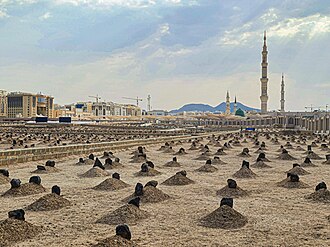
🕊️Jannat al-Baqi Cemetery
The most sacred Islamic cemetery, containing the graves of the Prophet's family and companions.