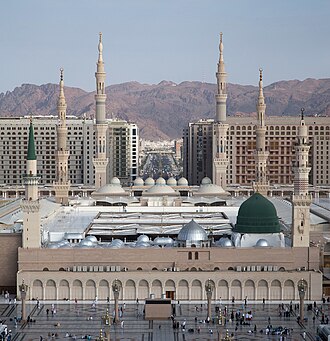
🕌 Al-Masjid an-Nabawi (Prophet's Mosque)
Saudi Arabia
About This Sacred Site
Al-Masjid an-Nabawi in Medina, Saudi Arabia, is Islam’s second holiest mosque, originally built by Prophet Muhammad himself in 622 CE shortly after his Hijra (migration) from Mecca. The mosque houses the Prophet’s tomb beneath the iconic Green Dome, making it a vital stop for pilgrims visiting the holy cities. At the heart of the complex lies the Rawdah, a small area between the Prophet’s tomb and his pulpit (minbar), which Muhammad described as ‘a garden from the gardens of Paradise.’ The mosque has been expanded repeatedly over 14 centuries, growing from a simple open-air structure of mud brick and palm trunks into one of the largest mosques on earth, capable of accommodating over one million worshippers simultaneously. Its ten minarets, retractable canopy umbrellas, and air-conditioned marble floors reflect a blend of historic reverence and modern engineering.
History & Origins
Prophet Muhammad laid the foundation of this mosque with his own hands in 622 CE, shortly after arriving in Medina. The original structure was a humble courtyard of roughly 30 by 35 meters, built from palm trunks, mud walls, and a thatch roof. Muhammad used it not only for prayer but as a community center, court of justice, and shelter for the poor. After the Prophet’s death in 632 CE, he was buried in the adjacent room of his wife Aisha, which was later incorporated into the mosque. Caliph Umar ibn al-Khattab enlarged the mosque in 638 CE, and Caliph Uthman expanded it further using carved stone and teak wood. The Umayyad Caliph al-Walid I commissioned a major rebuilding between 707 and 710 CE, introducing the distinctive mihrab niche, mosaic decorations inspired by Byzantine artisans, and the first minarets. The iconic Green Dome over the Prophet’s tomb was originally constructed in wood in 1279 CE and painted green in 1837. Ottoman sultans, particularly Suleiman the Magnificent and Abdul Majid I, lavished further attention on the mosque. The Saudi government undertook massive expansions in the 1950s and 1990s, and ongoing projects continue to increase its capacity while preserving historical elements.
Spiritual Significance
Al-Masjid an-Nabawi occupies a unique place in Islamic devotion. A hadith of the Prophet states that prayer performed here is rewarded one thousand times more than prayer elsewhere, exceeded only by prayer at Masjid al-Haram in Mecca. The Rawdah, marked by a distinctive green carpet set apart from the rest of the mosque, is considered one of the most blessed spots on earth; pilgrims often wait hours for the chance to pray within its bounds. The mosque also houses the Prophet’s minbar, from which Muhammad delivered his sermons, and the Ustuwaanah Hannaanah (Weeping Pillar), a palm trunk that is said to have wept audibly when Muhammad replaced it with a wooden pulpit. Visiting the Prophet’s tomb and offering salutations (salam) is a deeply emotional experience for Muslims worldwide. While not a mandatory part of Hajj, most pilgrims extend their journey to Medina specifically for this purpose. The mosque’s spiritual atmosphere intensifies during Ramadan, when the Tarawih prayers draw hundreds of thousands of worshippers each night, and the last ten nights see devotees performing i’tikaf (spiritual retreat) within its walls.
Key Facts
- •Originally built by Prophet Muhammad in 622 CE
- •Contains the tomb of Prophet Muhammad under the Green Dome
- •Second largest mosque in the world after Masjid al-Haram
- •Can accommodate over 1 million worshippers
- •Prayer here is considered 1,000 times more rewarding than elsewhere
Visitor Guide
Al-Masjid an-Nabawi is open 24 hours a day, year-round. Unlike Mecca, Medina is accessible to non-Muslim visitors, though non-Muslims cannot enter the mosque itself. For Muslim visitors, modest dress is required: men typically wear white ihram garments or modest clothing, and women cover their hair and wear loose-fitting attire. Shoes are removed before entering and can be stored in bags carried inside. The Rawdah area operates on a timed schedule with separate sessions for men and women; arriving early is strongly recommended as queues can stretch for hours during peak season. The retractable umbrella canopies in the courtyard provide welcome shade during daytime prayers in the intense Medina heat, where summer temperatures regularly exceed 45 degrees Celsius. Cooler months between November and February offer more comfortable conditions. The mosque is a short distance from Quba Mosque, the first mosque ever built in Islam, and the Qiblatain Mosque, where Muhammad received revelation to change the prayer direction toward Mecca. Budget accommodations cluster along the streets surrounding the mosque, and many hotels offer rooftop views of the Green Dome.
Location
Coordinates: 24.4672, 39.6112
Frequently Asked Questions
What religion is Al-Masjid an-Nabawi (Prophet's Mosque) associated with?▾
Al-Masjid an-Nabawi (Prophet's Mosque) is a Islam holy site located in Saudi Arabia. It was established 622 CE and is ranked #6 in our global directory of sacred sites.
When was Al-Masjid an-Nabawi (Prophet's Mosque) established?▾
Al-Masjid an-Nabawi (Prophet's Mosque) dates back to 622 CE. Originally built by Prophet Muhammad in 622 CE
How many people visit Al-Masjid an-Nabawi (Prophet's Mosque) each year?▾
Al-Masjid an-Nabawi (Prophet's Mosque) receives approximately 8+ million visitors per year. Contains the tomb of Prophet Muhammad under the Green Dome
What is Al-Masjid an-Nabawi (Prophet's Mosque) known for?▾
The second holiest mosque in Islam, containing the tomb of Prophet Muhammad. Visitors come seeking pilgrimage, blessings, peace, forgiveness. Second largest mosque in the world after Masjid al-Haram
Related Holy Sites
Sacred places connected by country, religion, and purpose
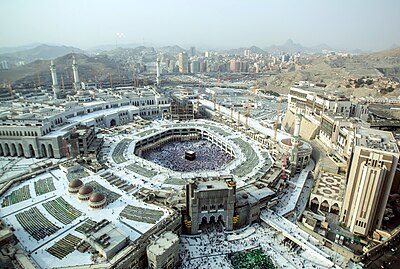
🕋Masjid al-Haram (Great Mosque of Mecca)
The holiest site in Islam, home of the Kaaba, and the destination for Hajj pilgrimage.
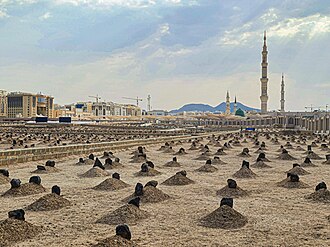
🕊️Jannat al-Baqi Cemetery
The most sacred Islamic cemetery, containing the graves of the Prophet's family and companions.