🕌 Ajmer Sharif Dargah
India
About This Sacred Site
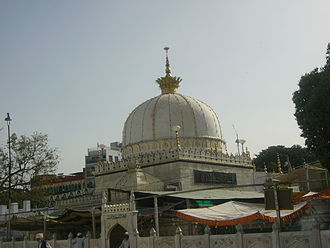
Ajmer Sharif Dargah in Rajasthan, India, is the revered tomb of Khwaja Moinuddin Chishti, a 12th-century Sufi saint credited with spreading Islam in the Indian subcontinent through his message of love and tolerance. The shrine attracts millions of followers of diverse faiths annually, who come to seek blessings and spiritual solace. The complex features intricate Mughal-era architecture, including domes, minarets, and courtyards.
History & Origins
The Ajmer Sharif Dargah was established after the death of Khwaja Moinuddin Chishti in 1236 CE. Over subsequent centuries, the shrine gained immense significance as a center of Sufi mysticism and interfaith harmony. The Mughal emperors, particularly Akbar, patronized the dargah, contributing to its expansion and embellishment. Akbar’s frequent visits underscored the shrine’s political and spiritual importance. The site served as a locus for devotional music (qawwali) and communal gatherings, fostering cultural exchange. Despite challenges during colonial and post-colonial periods, the dargah remains a vibrant pilgrimage destination, symbolizing spiritual unity and the enduring legacy of the Chishti order.
Spiritual Significance
Ajmer Sharif Dargah is the revered tomb of Khwaja Moinuddin Chishti (1141-1236 CE), a seminal Sufi saint who established the Chishti Order in India, promoting love, tolerance, and devotion to God. The site attracts pilgrims from diverse religious backgrounds, reflecting the saint's teachings on universal brotherhood. The annual Urs festival commemorates the saint's death anniversary and draws over 500,000 devotees over six days, featuring qawwali music performances that echo Chishti devotional traditions. Pilgrims perform chadar (embroidered cloth) offerings on the tomb as a mark of respect and seek the saint’s blessings, a practice rooted in Sufi veneration rituals. The Dargah complex includes the bulbous marble dome built by Emperor Akbar in the 16th century, symbolizing Mughal patronage. Recitation of the Fatiha and the Chishti devotional poetry, compiled in the Malfoozat, are integral to the spiritual atmosphere. The Dargah's open-door policy exemplifies the Chishti ethos of inclusivity, attracting Hindus, Muslims, Sikhs, and others who participate in communal prayers and langar (free kitchen), reflecting the saint's emphasis on charity and equality.
Key Facts
- •Tomb of Sufi saint Khwaja Moinuddin Chishti (1141-1236 CE)
- •Visited by people of all religions, not just Muslims
- •The Urs festival attracts over 500,000 people in six days
- •Mughal Emperor Akbar walked from Agra to Ajmer (400 km) on foot as a pilgrimage
- •Two massive cauldrons (degs) can cook enough food for 5,000 people
Location
Coordinates: 26.4564, 74.6277
Frequently Asked Questions
What religion is Ajmer Sharif Dargah associated with?▾
Ajmer Sharif Dargah is a Islam holy site located in India. It was established 1236 CE and is ranked #30 in our global directory of sacred sites.
When was Ajmer Sharif Dargah established?▾
Ajmer Sharif Dargah dates back to 1236 CE. Tomb of Sufi saint Khwaja Moinuddin Chishti (1141-1236 CE)
How many people visit Ajmer Sharif Dargah each year?▾
Ajmer Sharif Dargah receives approximately 5+ million visitors per year. Visited by people of all religions, not just Muslims
What is Ajmer Sharif Dargah known for?▾
India's most important Muslim shrine, visited by people of all faiths. Visitors come seeking healing, blessings, fertility, guidance. The Urs festival attracts over 500,000 people in six days
Related Holy Sites
Sacred places connected by country, religion, and purpose