✝️ Church of the Holy Sepulchre
Israel
About This Sacred Site
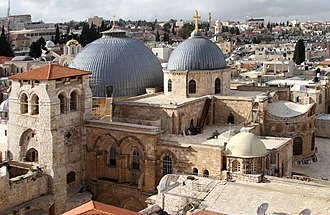
The Church of the Holy Sepulchre, located in Jerusalem’s Old City, is Christianity’s holiest site, enclosing the two most sacred locations in the Christian faith: Golgotha (Calvary), where Jesus was crucified, and the Edicule, the small structure built over the tomb where he was buried and, according to Christian belief, rose from the dead. The church is jointly administered by six Christian denominations -- Greek Orthodox, Roman Catholic (Franciscan), Armenian Apostolic, Coptic Orthodox, Syriac Orthodox, and Ethiopian Orthodox -- under a centuries-old arrangement known as the Status Quo. Each community maintains designated chapels, altars, and sections of the building, and their overlapping liturgical calendars fill the church with near-continuous worship throughout the day and night. The Stone of Anointing, just inside the main entrance, marks where tradition says Jesus’s body was prepared for burial, and pilgrims kneel to touch and kiss the polished slab.
History & Origins
In 326 CE, Emperor Constantine I’s mother Helena traveled to Jerusalem and identified what she believed to be the site of Christ’s crucifixion and burial, then covered by a Roman temple to Venus. Constantine ordered the pagan temple demolished and a grand basilica built in its place, completed around 335 CE. The original Constantinian church was destroyed by the Fatimid Caliph al-Hakim in 1009 CE, an act that partly motivated the First Crusade. The Crusaders rebuilt the church between 1099 and 1149, consolidating the scattered shrines under a single Romanesque roof, and much of that 12th-century structure survives today. A devastating fire in 1808 damaged the rotunda and Edicule, leading to a Greek Orthodox reconstruction of the tomb shrine. The building suffered further damage in an earthquake in 1927. A remarkable arrangement dating to the 12th century entrusts the church’s key to the Nusseibeh family, a Muslim family, with another Muslim family (the Judeh) responsible for opening and closing the doors each day. A major restoration of the Edicule was completed in 2017, the first in over 200 years, revealing the original limestone burial shelf beneath layers of marble cladding.
Spiritual Significance
The Church of the Holy Sepulchre stands at the center of Christian faith because it marks the sites of the crucifixion, burial, and resurrection of Jesus Christ -- the events upon which the entire religion is founded. For Catholic, Orthodox, and many Protestant Christians, there is no holier ground on earth. Pilgrims climb the steep stairs to the Golgotha chapel, where a silver disc beneath the altar marks the spot where the cross is believed to have stood; many reach through a hole in the floor to touch the bedrock of Calvary below. Inside the Edicule, visitors enter the tiny burial chamber one or two at a time, often overwhelmed by the weight of what the space represents. The annual Holy Fire ceremony on the day before Orthodox Easter is the church’s most dramatic spiritual event: the Patriarch enters the sealed Edicule and emerges bearing a flame that is passed hand to hand through the packed rotunda, then carried by special flights to Orthodox communities around the world. The coexistence of six denominations under one roof, despite centuries of tension and negotiation, itself testifies to the site’s irreplaceable importance across the breadth of Christianity.
Key Facts
- •Built by Emperor Constantine I in 326 CE over the sites of crucifixion and burial
- •Shared by six Christian denominations: Greek Orthodox, Catholic, Armenian, Coptic, Syriac, and Ethiopian
- •The Stone of Anointing marks where Jesus's body was prepared for burial
- •A Muslim family has held the key to the church since the 12th century
- •The Edicule structure encases the tomb where Jesus was laid
Visitor Guide
The Church of the Holy Sepulchre is free to enter and open daily, typically from 5:00 AM to 9:00 PM (hours vary seasonally). There is no ticket or reservation, but the compact interior means it can feel overwhelmingly crowded, especially between 10:00 AM and 2:00 PM. Arriving at opening time allows a more contemplative experience. Modest dress is required: shoulders and knees must be covered, and visitors may be turned away for shorts or tank tops. Photography is generally permitted except during active services. The Stone of Anointing is immediately inside the entrance; the Golgotha chapel is reached via a steep staircase to the right; the Edicule tomb is in the rotunda to the left. Queues for the Edicule can exceed an hour at peak times, though early mornings and late afternoons are shorter. The church is located in the Christian Quarter of the Old City, reachable on foot from Jaffa Gate or Damascus Gate. Combine your visit with the Via Dolorosa, the traditional route of Christ’s final walk, which ends at the church. Holy Week (particularly Good Friday and the Holy Fire ceremony on Holy Saturday) draws enormous crowds and requires advance planning for accommodation.
Location
Coordinates: 31.7785, 35.2296
Frequently Asked Questions
What religion is Church of the Holy Sepulchre associated with?▾
Church of the Holy Sepulchre is a Christianity holy site located in Israel. It was established 326 CE and is ranked #7 in our global directory of sacred sites.
When was Church of the Holy Sepulchre established?▾
Church of the Holy Sepulchre dates back to 326 CE. Built by Emperor Constantine I in 326 CE over the sites of crucifixion and burial
How many people visit Church of the Holy Sepulchre each year?▾
Church of the Holy Sepulchre receives approximately 4+ million visitors per year. Shared by six Christian denominations: Greek Orthodox, Catholic, Armenian, Coptic, Syriac, and Ethiopian
What is Church of the Holy Sepulchre known for?▾
The site where Jesus was crucified, buried, and resurrected. Visitors come seeking salvation, forgiveness, healing, pilgrimage. The Stone of Anointing marks where Jesus's body was prepared for burial
Related Holy Sites
Sacred places connected by country, religion, and purpose
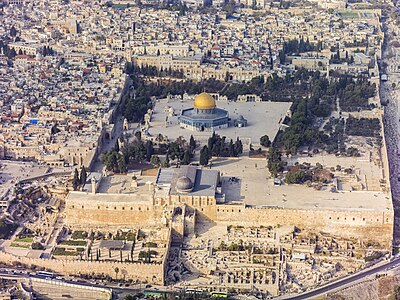
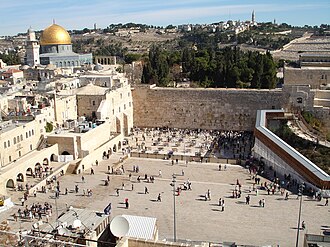
🕎Western Wall (Kotel)
The holiest place where Jews can pray, remnant of the Second Temple.
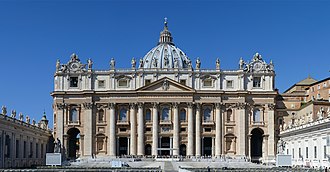
⛪Vatican City (St. Peter's Basilica)
The spiritual center of Roman Catholicism and home of the Pope.
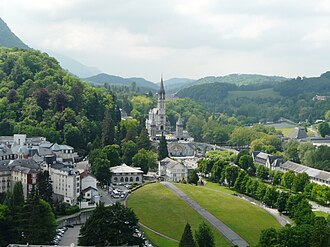
💧Lourdes (Sanctuary of Our Lady)
Where the Virgin Mary appeared 18 times, famous for miraculous healings.