🕎 Western Wall (Kotel)
Israel
About This Sacred Site
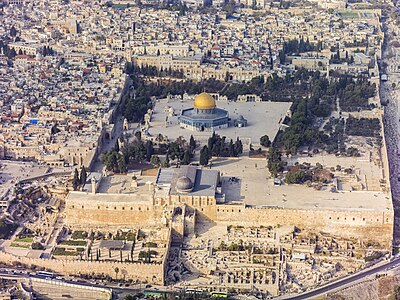
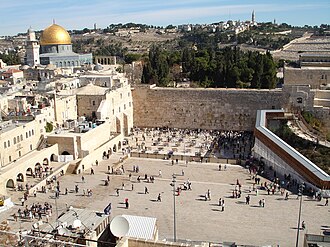
The Western Wall, or Kotel, in Jerusalem is Judaism’s most sacred site where prayer is permitted. It is the surviving retaining wall of the Second Temple complex destroyed by the Romans in 70 CE. The wall’s large limestone blocks have become a focal point for Jewish worship, pilgrimage, and national identity. Visitors place written prayers into its crevices. The plaza in front of the wall hosts religious ceremonies, and it remains a potent symbol of Jewish resilience and continuity through millennia.
History & Origins
The Western Wall, known as the Kotel, is a surviving segment of the ancient retaining wall built around the Second Temple complex by King Herod the Great circa 19 BCE during his massive expansion of the Temple Mount in Jerusalem. The visible portion of the wall extends approximately 57 meters at the prayer plaza, though the entire structure measures about 488 meters in length, much of which lies underground or is inaccessible. The wall has served as a sacred Jewish prayer site since the destruction of the Second Temple by the Romans in 70 CE. Over 1 million written prayers are placed annually into crevices between the stones by worshippers from around the world. The site has undergone archaeological excavations and renovations, notably after the Six-Day War in 1967 when Israel gained control of East Jerusalem, allowing unobstructed access to the plaza. The Kotel remains a central point of Jewish religious life and national identity.
Spiritual Significance
Serving as the holiest accessible site in Judaism, the wall is revered as the closest remaining structure to the Holy of Holies from the ancient Jewish Temples. Pilgrims conduct prayers facing the wall, including the recitation of Psalms and the Kaddish, especially during festivals like Tisha B'Av, commemorating the Temples’ destruction. Rituals include placing written prayers in its cracks, a tradition rooted in Kabbalistic teachings about divine presence. Bar and Bat Mitzvah ceremonies are commonly held at the plaza, affirming Jewish identity. The wall also functions as a gathering point during national religious events, symbolizing enduring covenantal ties expressed in the Torah and rabbinic literature.
Key Facts
- •The visible stones date to King Herod's expansion around 19 BCE
- •The Wall extends 488 meters, but only 57 meters are visible at the prayer plaza
- •Over 1 million written prayers are placed in the Wall's crevices each year
- •The Wall stands 19 meters above the plaza, with 13 more meters below ground
- •It has been a site of Jewish prayer since at least the 4th century CE
Location
Coordinates: 31.7767, 35.2345
Frequently Asked Questions
What religion is Western Wall (Kotel) associated with?▾
Western Wall (Kotel) is a Judaism holy site located in Israel. It was established c. 19 BCE and is ranked #11 in our global directory of sacred sites.
When was Western Wall (Kotel) established?▾
Western Wall (Kotel) dates back to c. 19 BCE. The visible stones date to King Herod's expansion around 19 BCE
How many people visit Western Wall (Kotel) each year?▾
Western Wall (Kotel) receives approximately 10+ million visitors per year. The Wall extends 488 meters, but only 57 meters are visible at the prayer plaza
What is Western Wall (Kotel) known for?▾
The holiest place where Jews can pray, remnant of the Second Temple. Visitors come seeking guidance, forgiveness, peace, pilgrimage. Over 1 million written prayers are placed in the Wall's crevices each year
Related Holy Sites
Sacred places connected by country, religion, and purpose