⛩️ Kiyomizu-dera
Japan
About This Sacred Site
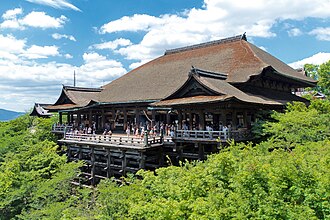
Kiyomizu-dera, meaning 'Pure Water Temple,' is an iconic Buddhist temple in eastern Kyoto perched on the side of Mount Otowa. Its most famous feature is the main hall's wooden stage, which juts out 13 meters over the hillside supported entirely by 139 pillars without a single nail. The Otowa Waterfall at the base of the main hall has three streams, each believed to grant a different benefit: longevity, success in school, and a fortunate love life. The temple was founded in 778 CE by the monk Enchin after a vision led him to the pure waters of Mount Otowa. Originally associated with the Hosso sect of Japanese Buddhism, Kiyomizu-dera has been independent as the head temple of the Kita Hosso sect since 1965. The temple grounds span a hillside covered in cherry and maple trees, making it one of Kyoto's most spectacular destinations during spring hanami and autumn koyo seasons, when the wooden stage appears to float above a sea of color.
History & Origins
Kiyomizu-dera was founded in 778 CE when the monk Enchin, following a mystical dream, discovered the pure Otowa spring and established a modest hermitage on the mountainside. The warrior-general Sakanoue no Tamuramaro, who had come to hunt deer for his wife's medicine, encountered Enchin and was so moved by his teachings that he donated his own residence to build the first proper temple hall. Emperor Kanmu later granted official recognition, and the temple grew as Kyoto became Japan's imperial capital. Fire devastated the complex repeatedly throughout its history. The current main hall and iconic wooden stage date from a 1633 reconstruction ordered by Tokugawa Iemitsu, the third Edo-period shogun. The engineering is remarkable: the stage's latticework of 139 zelkova wood pillars uses no nails, relying entirely on interlocking joints to support a structure that has withstood earthquakes for nearly four centuries. Kiyomizu-dera was inscribed as a UNESCO World Heritage Site in 1994 as part of the Historic Monuments of Ancient Kyoto. A major multi-year restoration of the cypress-bark roof was completed in 2020, preserving traditional roofing methods that require no metal fasteners.
Spiritual Significance
Kiyomizu-dera holds deep spiritual importance within Japanese Buddhism, but its appeal crosses sectarian boundaries. The Otowa Waterfall is the temple's spiritual heart: three streams cascade from the mountainside, and pilgrims use long-handled cups to drink from them, each stream said to grant a different blessing. Tradition warns against drinking from all three, as greed negates the benefit. The Jishu Shrine within the temple grounds, dedicated to the deity of love and matchmaking, contains two 'love stones' set 18 meters apart; successfully walking between them with closed eyes is said to guarantee romantic fulfillment. The Japanese expression 'Kiyomizu no butai kara tobi oriru' (to jump off the stage at Kiyomizu) means taking a daring leap of faith. During the Edo period, some believed that surviving a literal jump from the 13-meter stage would grant a wish, and historical records document over 200 such jumps with an 85 percent survival rate. Beyond popular belief, the temple serves as a place for meditation, sutra copying, and seasonal Buddhist ceremonies that draw practitioners seeking purification and renewal.
Key Facts
- •The main stage is built without a single nail using a special interlocking wooden technique
- •The Otowa Waterfall's three streams are said to grant longevity, academic success, and love
- •The Japanese expression 'jumping off the stage at Kiyomizu' means taking a leap of faith
- •UNESCO World Heritage Site as part of the Historic Monuments of Ancient Kyoto
- •The temple has been rebuilt multiple times; the current buildings date from 1633
Visitor Guide
Kiyomizu-dera receives over five million visitors annually, and timing your visit makes a significant difference. Early morning arrivals (the temple opens at 6:00 AM) allow you to experience the grounds in relative solitude and catch mist rising through the surrounding forests. Spring cherry blossom season (late March to mid-April) and autumn foliage (mid-November to early December) are the most visually spectacular but also the most crowded. Special evening illuminations during these seasons allow after-dark visits. The approach through the atmospheric Higashiyama district passes traditional pottery shops and tea houses along Ninenzaka and Sannenzaka lanes. No shoes need to be removed for the main stage area, but inner halls require removal. Photography is permitted on the stage and grounds but restricted inside certain worship halls. The Otowa Waterfall often has a queue; weekday mornings offer shorter waits. Nearby sites worth combining include Kodai-ji Temple, Yasaka Shrine, and the bamboo-lined paths of the Higashiyama walking course.
Location
Coordinates: 34.9948, 135.7850
Frequently Asked Questions
What religion is Kiyomizu-dera associated with?▾
Kiyomizu-dera is a Buddhism holy site located in Japan. It was established 778 CE and is ranked #136 in our global directory of sacred sites.
When was Kiyomizu-dera established?▾
Kiyomizu-dera dates back to 778 CE. The main stage is built without a single nail using a special interlocking wooden technique
How many people visit Kiyomizu-dera each year?▾
Kiyomizu-dera receives approximately 5+ million visitors per year. The Otowa Waterfall's three streams are said to grant longevity, academic success, and love
What is Kiyomizu-dera known for?▾
A hillside temple famous for its wooden stage and sacred Otowa waterfall. Visitors come seeking healing, blessings, guidance, purification. The Japanese expression 'jumping off the stage at Kiyomizu' means taking a leap of faith
Related Holy Sites
Sacred places connected by country, religion, and purpose
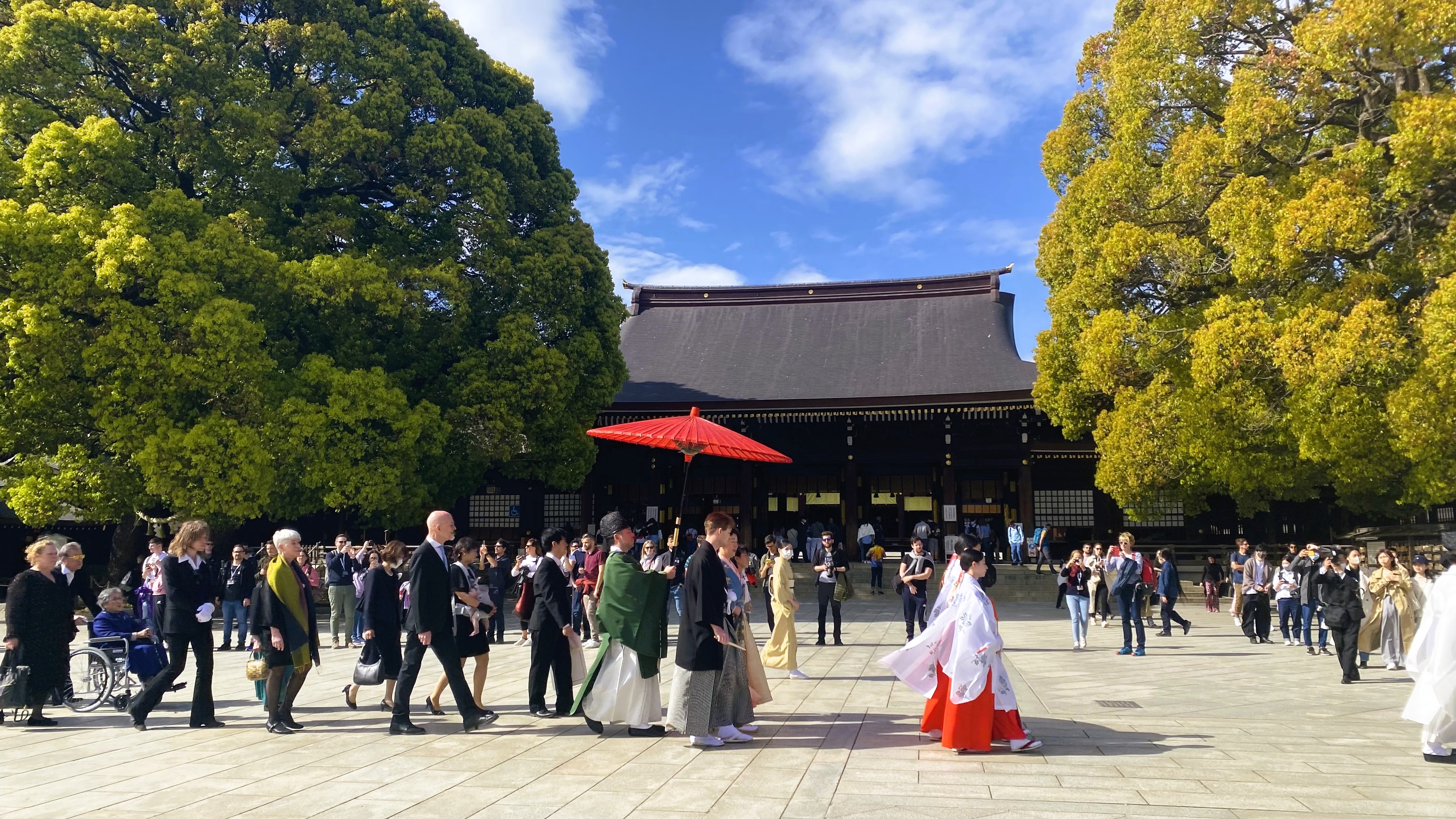
⛩️Meiji Shrine (Meiji Jingu)
Tokyo's most important Shinto shrine, set in a vast forest.
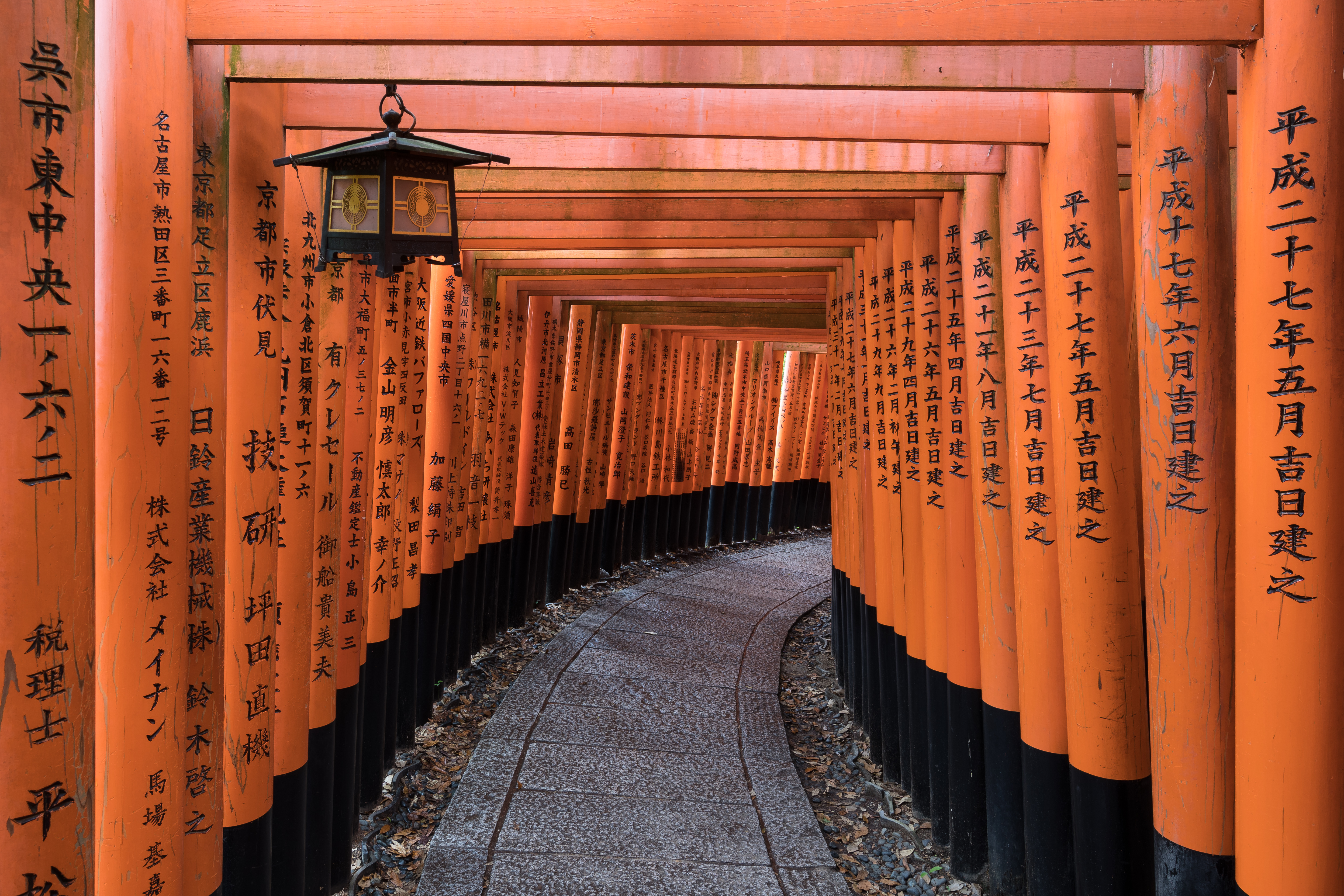
⛩️Fushimi Inari Taisha
Famous for its thousands of vermillion torii gates winding up a sacred mountain.
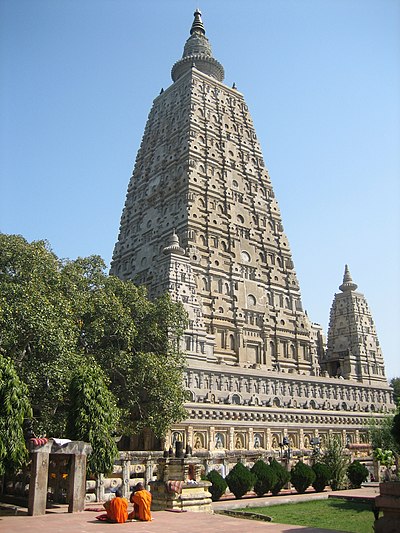
☸️Bodh Gaya (Mahabodhi Temple)
Where Siddhartha Gautama attained enlightenment and became the Buddha.
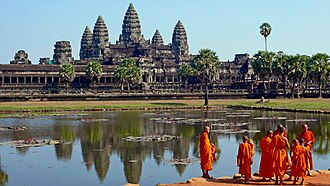
🛕Angkor Wat
The largest religious monument in the world, originally Hindu then Buddhist.