⛩️ Fushimi Inari Taisha
Japan
About This Sacred Site
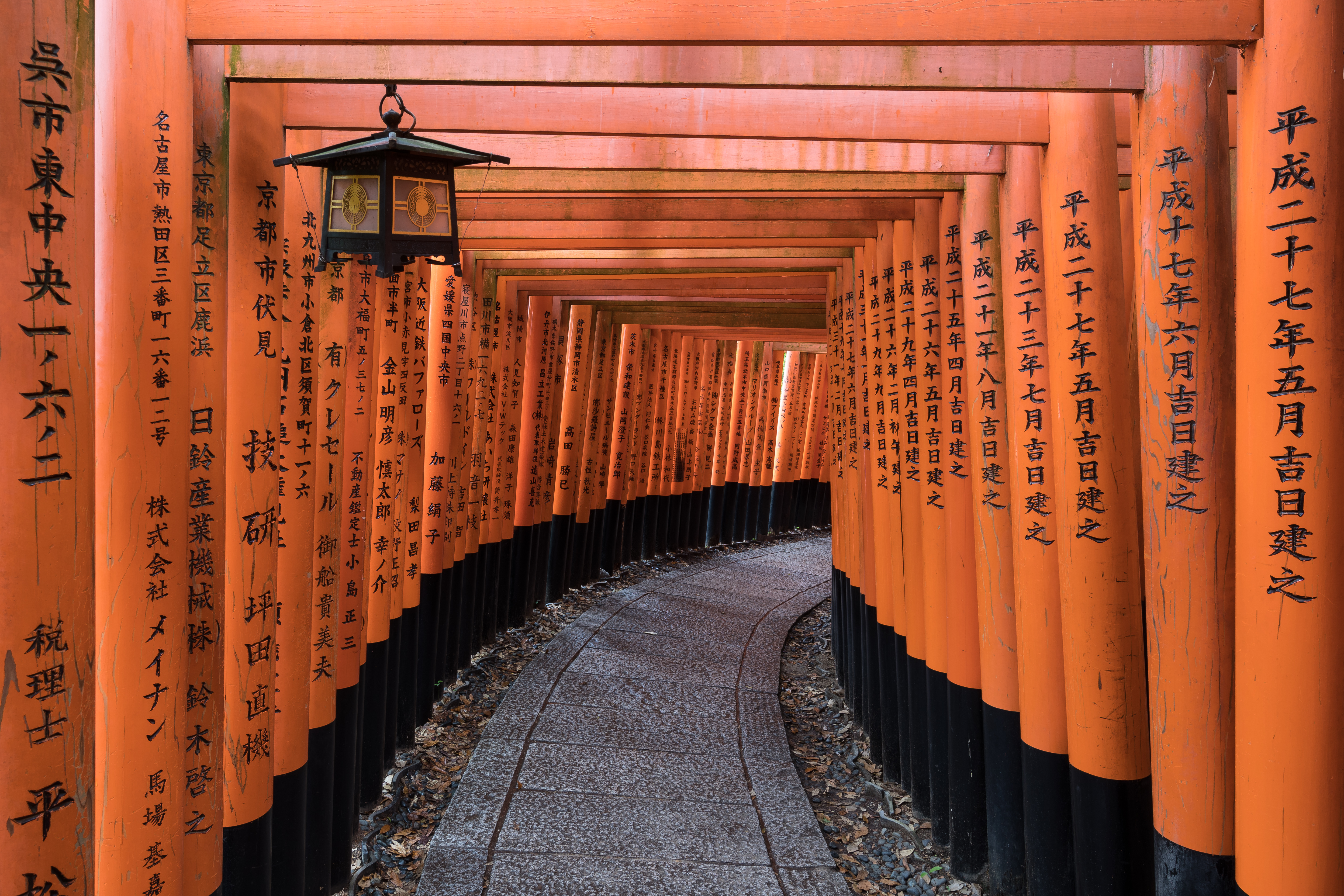
Fushimi Inari Taisha, located in Kyoto, Japan, is the principal shrine dedicated to Inari, the Shinto deity of rice, agriculture, and prosperity. Established in 711 CE, it is famous for its thousands of vibrant vermilion torii gates forming winding paths up Mount Inari. The shrine complex includes multiple buildings, statues of foxes considered Inari’s messengers, and is a popular destination for prayers related to business success and good fortune.
History & Origins
Fushimi Inari Taisha was founded in 711 CE during the Nara period by the Hata family to honor Inari, the Shinto deity of rice, fertility, and prosperity. The shrine complex expanded in the Heian period, becoming the head shrine for over 30,000 Inari shrines across Japan. The vermillion torii gates, numbering over 10,000, were donated by worshippers and merchants since the Edo period, symbolizing gratitude for prosperity and success. Major renovations occurred during the Muromachi period (14th-16th centuries), with the main shrine buildings reflecting traditional Shinto architectural styles using cypress wood and hinoki bark roofs. The shrine survived World War II bombings and has been preserved as a cultural and religious site. The Senbon Torii, or "thousands of torii gates," form winding paths up Mount Inari's 233-meter summit, a pilgrimage route historically used by merchants seeking divine favor. Fushimi Inari Taisha remains a central spiritual and cultural landmark in Kyoto, attracting millions annually.
Spiritual Significance
Fushimi Inari Taisha is the principal shrine dedicated to the kami Inari, revered as the patron of rice cultivation, business success, and industry, reflecting Japan's agrarian and mercantile traditions. Pilgrims participate in the annual rice planting festival (Otaue-sai) each June, invoking Inari's blessings for a bountiful harvest. The extensive pathways lined with over 10,000 vermillion torii gates represent donations from individuals and companies seeking prosperity; each gate is inscribed with the donor's name and date. Fox statues, considered Inari's messengers, are prominent throughout the shrine, symbolizing protection and fertility. Worshippers often offer kitsune-themed ema (wooden plaques) and perform rituals such as purification with water at the temizuya before approaching the honden (main sanctuary). The shrine's spiritual traditions are documented in classical Shinto texts, and its role as a head shrine connects it to a nationwide network of Inari worship, emphasizing communal prosperity and spiritual intercession.
Key Facts
- •Over 10,000 vermillion torii gates line the paths up Mount Inari
- •Founded in 711 CE, making it over 1,300 years old
- •Head shrine of 30,000+ Inari shrines across Japan
- •Fox statues (kitsune) guard the shrine as Inari's messengers
- •The most visited tourist attraction in Japan
Location
Coordinates: 34.9671, 135.7727
Frequently Asked Questions
What religion is Fushimi Inari Taisha associated with?▾
Fushimi Inari Taisha is a Shinto holy site located in Japan. It was established 711 CE and is ranked #26 in our global directory of sacred sites.
When was Fushimi Inari Taisha established?▾
Fushimi Inari Taisha dates back to 711 CE. Over 10,000 vermillion torii gates line the paths up Mount Inari
How many people visit Fushimi Inari Taisha each year?▾
Fushimi Inari Taisha receives approximately 10+ million visitors per year. Founded in 711 CE, making it over 1,300 years old
What is Fushimi Inari Taisha known for?▾
Famous for its thousands of vermillion torii gates winding up a sacred mountain. Visitors come seeking prosperity, protection, blessings, guidance. Head shrine of 30,000+ Inari shrines across Japan
Related Holy Sites
Sacred places connected by country, religion, and purpose
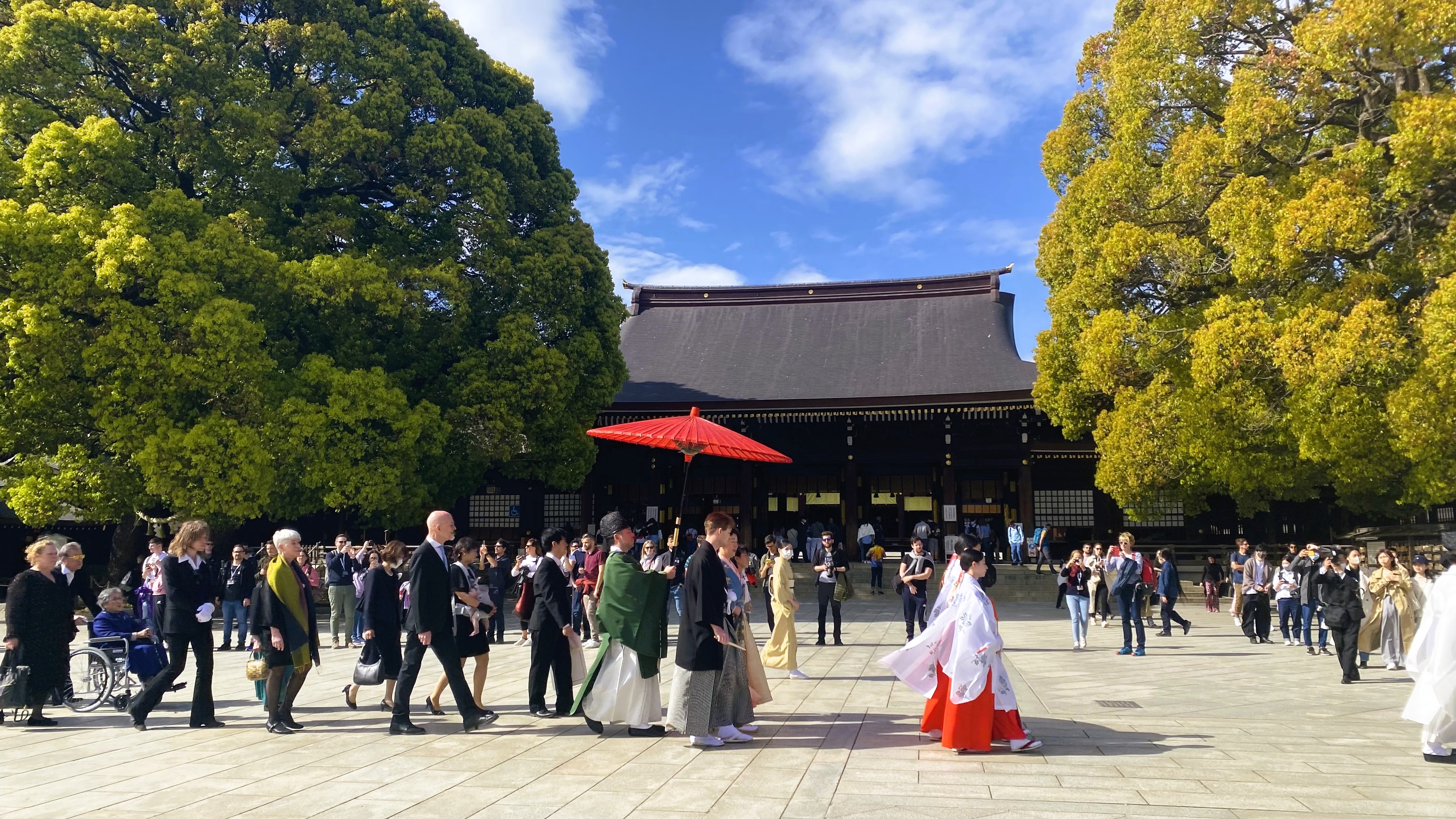
⛩️Meiji Shrine (Meiji Jingu)
Tokyo's most important Shinto shrine, set in a vast forest.

⛪Vatican City (St. Peter's Basilica)
The spiritual center of Roman Catholicism and home of the Pope.