⛩️ Ise Grand Shrine (Ise Jingu)
Japan
About This Sacred Site
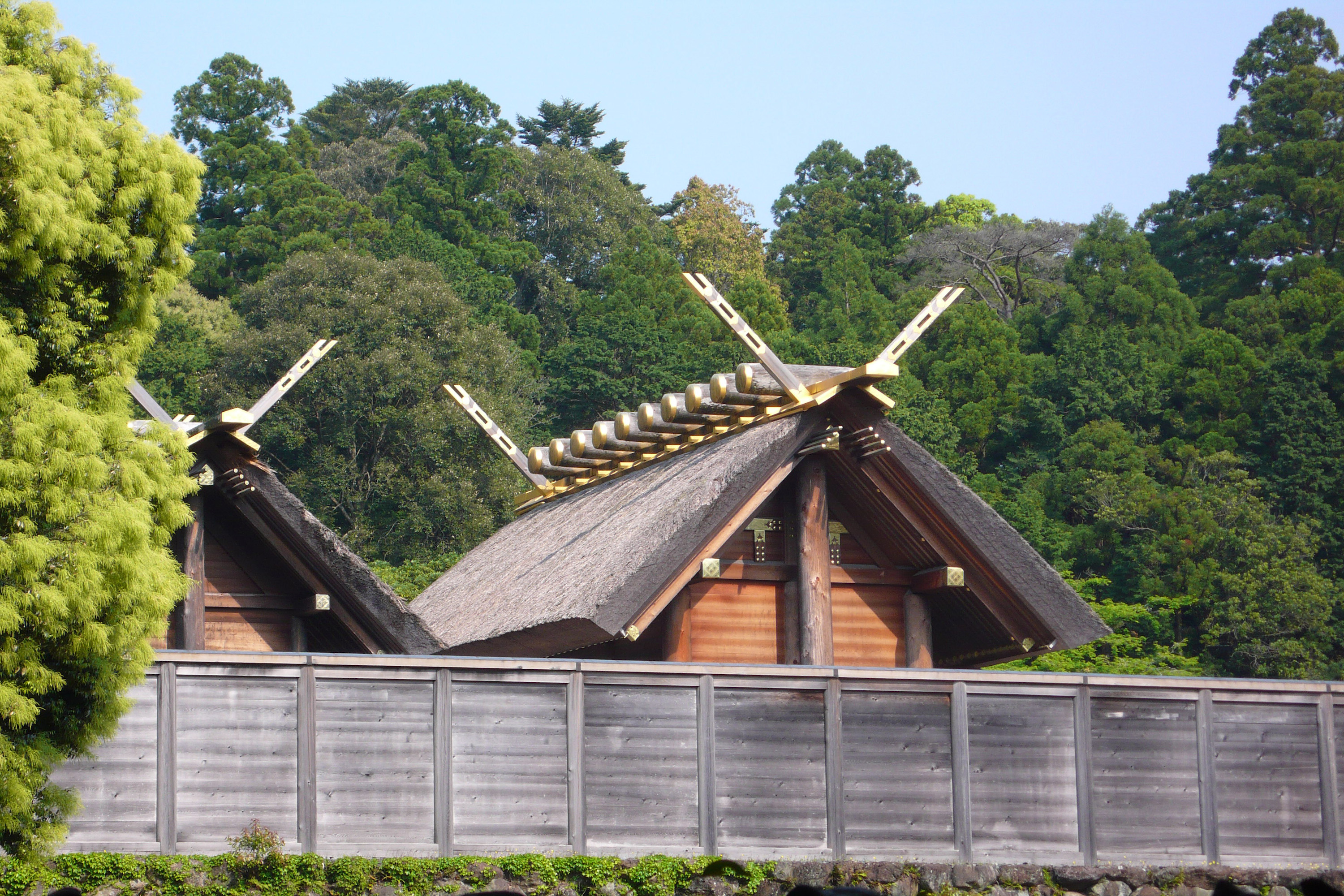
Ise Grand Shrine (Ise Jingu) in Mie Prefecture, Japan, is the most sacred Shinto shrine, dedicated to Amaterasu Ōmikami, the sun goddess and mythological ancestor of the Japanese imperial family. Established traditionally around the 4th century BCE, the shrine complex consists of two main sanctuaries, Naikū and Gekū, surrounded by ancient forests. A unique feature is the Shikinen Sengū ritual, in which the shrine buildings are rebuilt every 20 years to symbolize renewal and continuity of tradition.
History & Origins
The Ise Grand Shrine, traditionally established around 4 BCE, is dedicated to Amaterasu Omikami, the sun goddess in Shinto belief. Its main sanctuary, Naiku, is believed to house the sacred mirror Yata no Kagami, an imperial regalia piece. Since 690 CE, the shrine has undergone a cyclical rebuilding every 20 years, a ritual called Shikinen Sengū designed to symbolize renewal and continuity; the next rebuilding is scheduled for 2033. The shrine complex encompasses 125 individual shrines spread across the cities of Ise and Taki in Mie Prefecture. The architectural style, Shinmei-zukuri, is characterized by simplicity and the use of untreated Japanese cypress wood. Historically, the shrine has been closely associated with the Japanese Imperial family, who traditionally oversee its rituals and maintenance. During the Meiji Restoration, the shrine was elevated in status as the foremost Shinto shrine, reflecting its political and cultural importance. Access to the innermost sanctuaries is restricted exclusively to members of the Imperial family and select high priests, preserving its sacred exclusivity.
Spiritual Significance
The Ise Grand Shrine is the primary site for the Shinto ritual of Shikinen Sengū, where the main buildings are rebuilt every 20 years to renew the spiritual essence of the shrine, a practice documented in the ancient Nihon Shoki chronicles. Pilgrims traditionally visit during the Amaterasu festival, held annually to honor the sun goddess, reflecting the shrine's role as a spiritual link to the imperial divine lineage. The shrine follows the Kojiki and Nihon Shoki scriptures emphasizing Amaterasu's centrality in Japanese spirituality. Ritual purification using water from the Isuzu River is a key practice before entry into the precincts, reinforcing Shinto's emphasis on purity. The Kōtai Jingū Reitaisai, held in October, features offerings of rice and sake by priests, symbolizing agricultural fertility and divine favor. Pilgrims often participate in Omikuji (fortune-telling) and purchase talismans blessed by shrine priests, believed to confer protection. The shrine's spiritual significance is further underscored by its role as a symbol of the Japanese nation’s unity and continuity through centuries of state Shinto influence.
Key Facts
- •Rebuilt every 20 years since 690 CE — the next rebuilding is in 2033
- •The shrine complex includes 125 individual shrines
- •Only the Imperial family and high priests can enter the inner sanctum
- •Houses the Sacred Mirror (Yata no Kagami), one of Japan's Three Sacred Treasures
- •Set within a 5,500-hectare sacred forest with ancient cedar trees
Location
Coordinates: 34.4554, 136.7259
Frequently Asked Questions
What religion is Ise Grand Shrine (Ise Jingu) associated with?▾
Ise Grand Shrine (Ise Jingu) is a Shinto holy site located in Japan. It was established c. 4 BCE (traditional) and is ranked #29 in our global directory of sacred sites.
When was Ise Grand Shrine (Ise Jingu) established?▾
Ise Grand Shrine (Ise Jingu) dates back to c. 4 BCE (traditional). Rebuilt every 20 years since 690 CE — the next rebuilding is in 2033
How many people visit Ise Grand Shrine (Ise Jingu) each year?▾
Ise Grand Shrine (Ise Jingu) receives approximately 8+ million visitors per year. The shrine complex includes 125 individual shrines
What is Ise Grand Shrine (Ise Jingu) known for?▾
The most sacred Shinto shrine, rebuilt every 20 years for over 1,300 years. Visitors come seeking purification, blessings, peace, ancestral connection. Only the Imperial family and high priests can enter the inner sanctum
Related Holy Sites
Sacred places connected by country, religion, and purpose
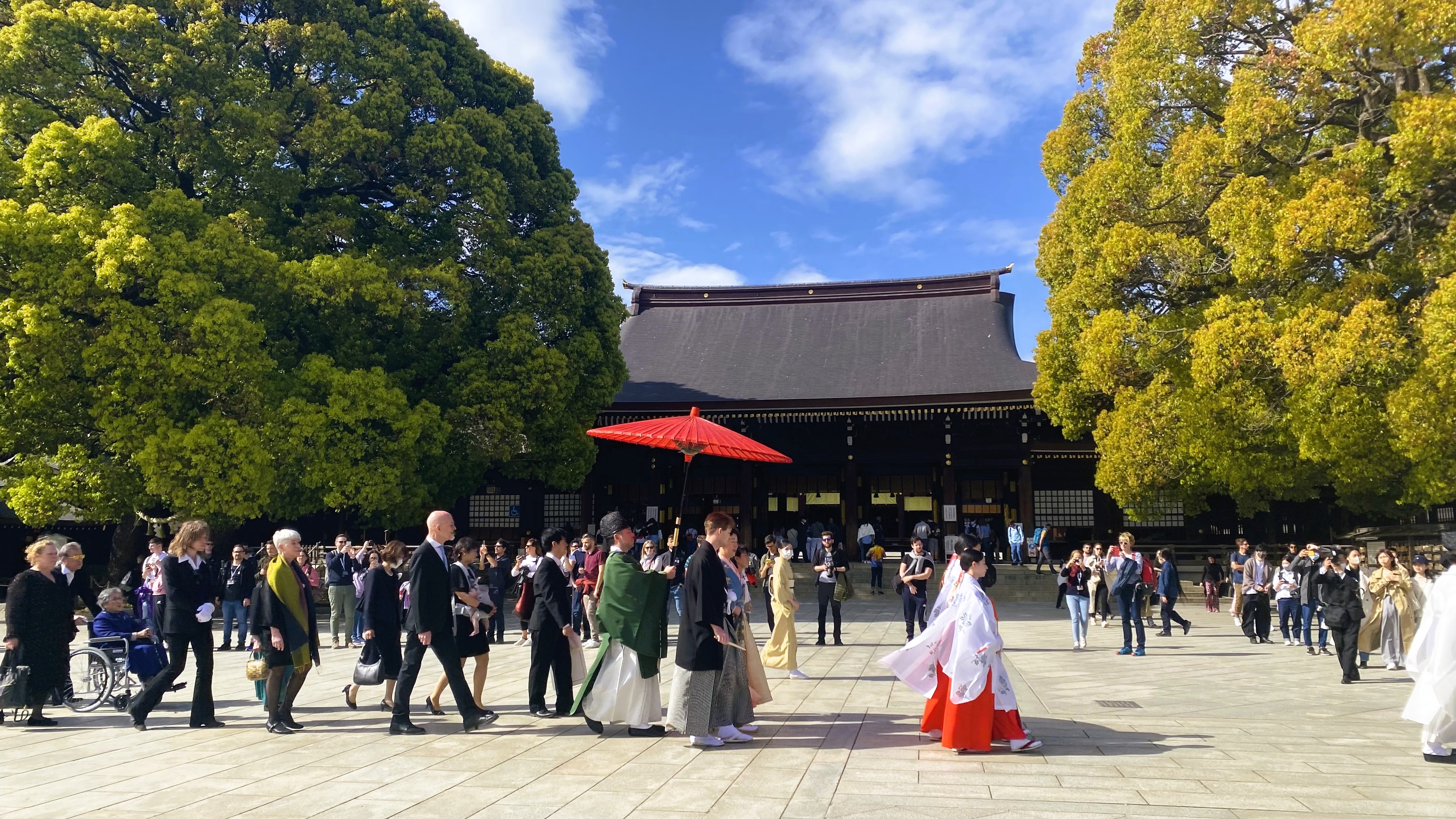
⛩️Meiji Shrine (Meiji Jingu)
Tokyo's most important Shinto shrine, set in a vast forest.
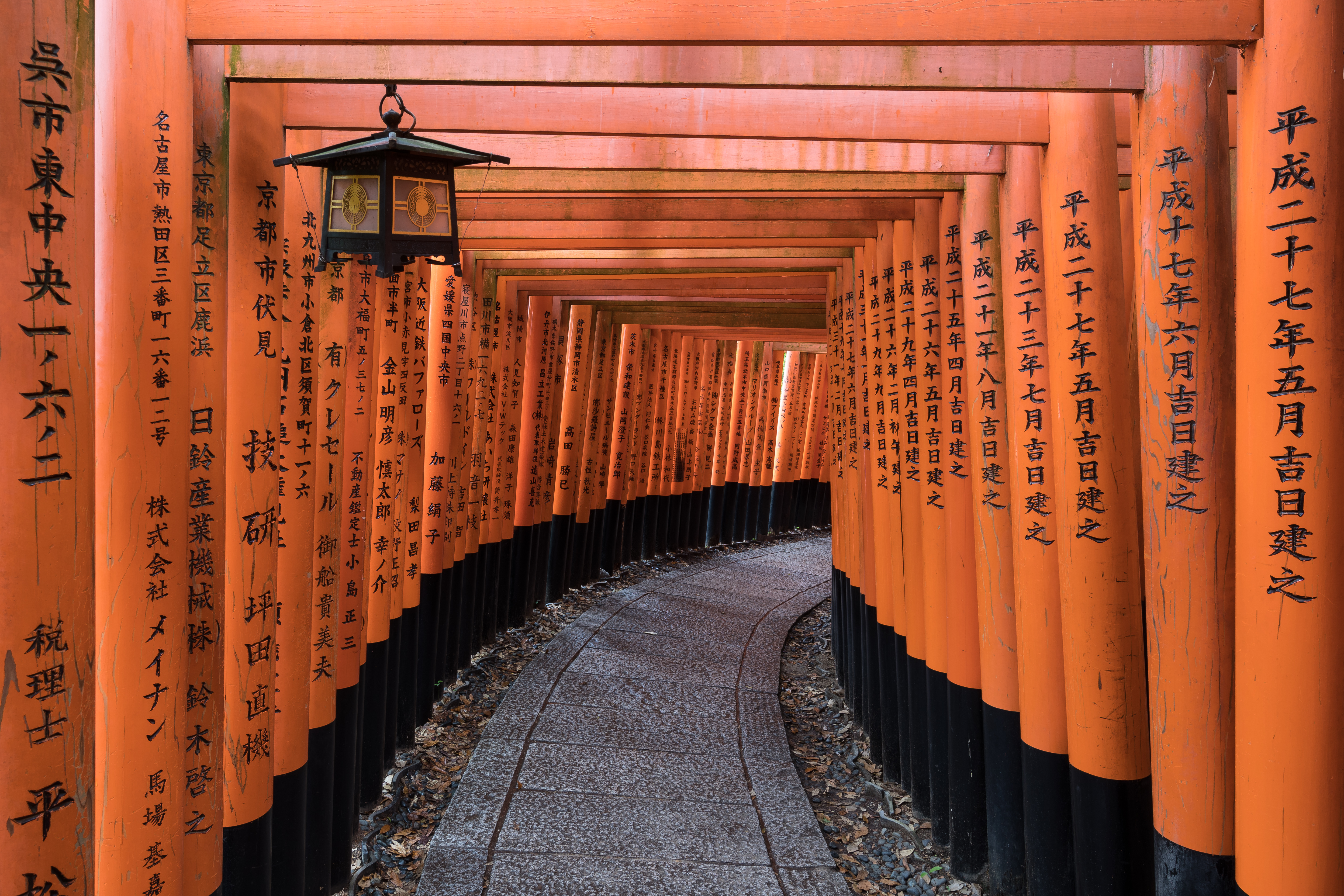
⛩️Fushimi Inari Taisha
Famous for its thousands of vermillion torii gates winding up a sacred mountain.
🕋Masjid al-Haram (Great Mosque of Mecca)
The holiest site in Islam, home of the Kaaba, and the destination for Hajj pilgrimage.