⛩️ Meiji Shrine (Meiji Jingu)
Japan
About This Sacred Site
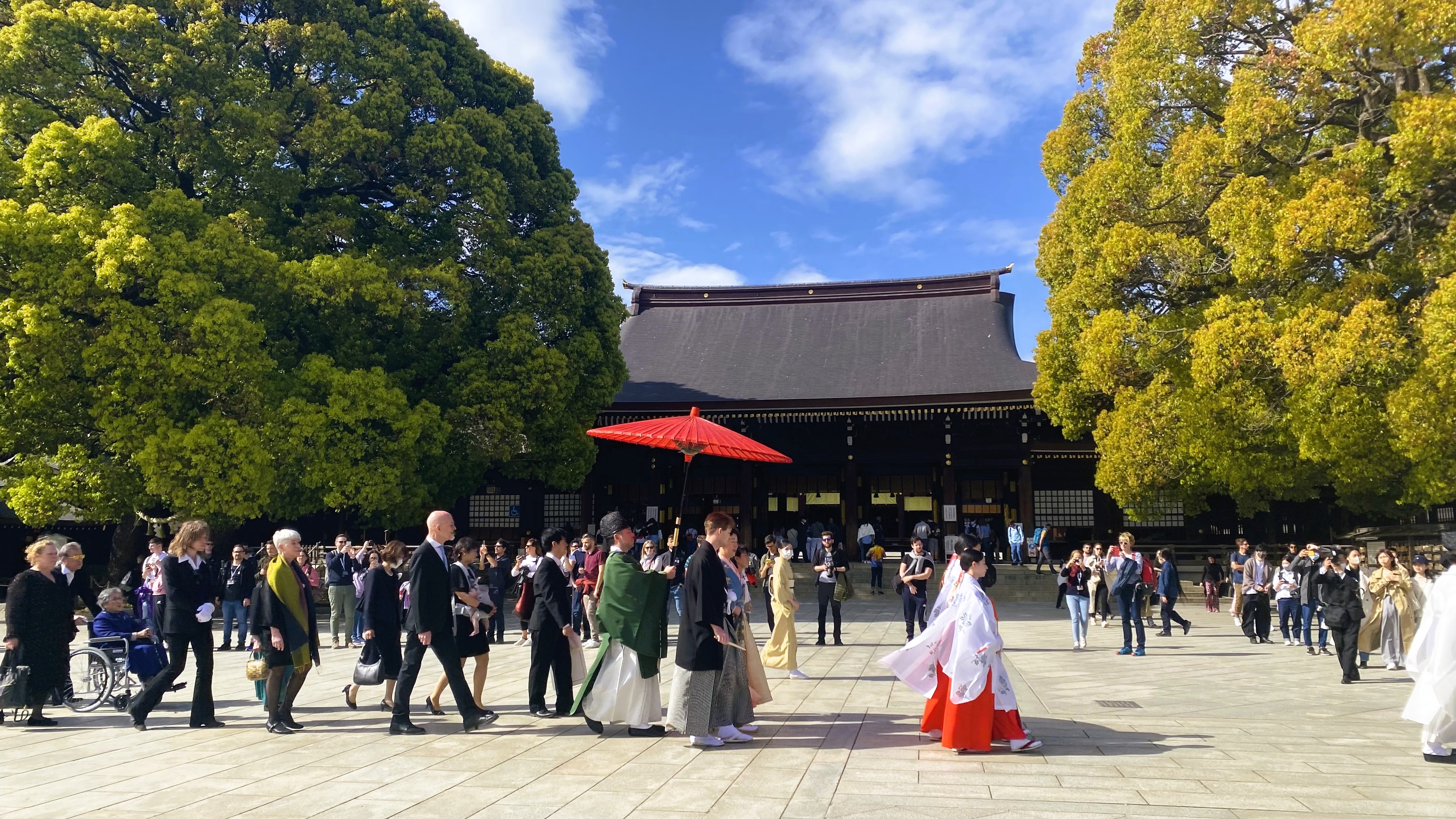
Meiji Shrine (Meiji Jingu) in Tokyo is Japan’s most visited shrine, dedicated to the deified spirits of Emperor Meiji and Empress Shoken, who presided over Japan’s transformation from a feudal society to a modern nation during the Meiji era (1868-1912). Set within a 70-hectare man-made forest of 120,000 trees donated from every prefecture in Japan, the shrine offers a startling pocket of tranquility at the center of one of the world’s largest cities. The approach to the main hall passes through massive cypress torii gates and along wide gravel paths flanked by towering evergreens that block out the surrounding cityscape. The shrine hosts Shinto wedding ceremonies, coming-of-age celebrations, and the annual Grand Autumn Festival. During the first three days of the New Year, over three million people visit to make their first prayers of the year (hatsumode), making it the busiest hatsumode destination in all of Japan.
History & Origins
Following Emperor Meiji’s death in 1912 and Empress Shoken’s in 1914, the Japanese Diet resolved to build a memorial shrine in their honor. The site chosen was an iris garden in central Tokyo that the imperial couple had enjoyed visiting. Between 1915 and 1920, over 100,000 volunteers from across Japan planted an evergreen forest designed to become self-sustaining over time, selecting 365 species of trees and shrubs donated from every region of the country. The shrine buildings were completed in the nagare-zukuri architectural style in 1920. During the firebombing of Tokyo in April 1945, the original structures were destroyed completely. Reconstruction began in 1958, funded largely by public donations, and the rebuilt shrine faithfully replicated the original design using Japanese cypress. The surrounding forest, spared by the bombing, continued to grow and has matured into a dense woodland that now supports a remarkable urban ecosystem including goshawk nests and rare insects. In 2020, the shrine completed a centennial restoration project that reinforced the copper roofs and refreshed the shrine buildings while maintaining their 1920 design.
Spiritual Significance
Meiji Jingu is a shrine dedicated to the kami (deified spirits) of Emperor Meiji and Empress Shoken. In Shinto theology, exceptional individuals can become kami after death, and the emperor -- who modernized Japan while seeking to preserve its spiritual identity -- is venerated as a protector of the nation’s well-being. Visitors practice the standard Shinto worship ritual at the main hall: bow twice, clap twice, offer a silent prayer, and bow once more. Many purchase ema (wooden votive tablets) to write personal wishes, which are hung on racks near the shrine and ceremonially burned by priests. The shrine’s omamori (protective amulets) are particularly sought after for success in business, safe travel, and family harmony. The inner garden contains a well called Kiyomasa’s Well (named after a feudal lord who is said to have dug it), which is considered a ‘power spot’ in Japanese spiritual practice, believed to radiate positive energy. The shrine also maintains the Meiji Jingu Treasure House, which displays personal effects of the imperial couple, offering visitors insight into the human side of these venerated figures.
Key Facts
- •The surrounding forest contains 120,000 trees from 365 species donated from all over Japan
- •Receives over 3 million visitors during the first three days of New Year
- •Built in 1920 to honor Emperor Meiji and Empress Shōken
- •The original shrine was destroyed in WWII and rebuilt in 1958
- •The massive torii gate at the entrance is made from a 1,500-year-old cypress tree
Visitor Guide
Meiji Jingu is free to enter and open from sunrise to sunset year-round, with hours varying by season (typically 5:00 AM to 6:00 PM in summer, 6:40 AM to 4:00 PM in winter). The shrine is directly accessible from JR Harajuku Station (Takeshita Exit) or Tokyo Metro Meiji-jingumae Station, making it one of the easiest major shrines to reach. At the entrance, purify your hands and mouth at the temizuya (water basin) before approaching the main hall: take the ladle in your right hand, pour water over your left hand, switch hands and repeat, then cup water in your left palm to rinse your mouth before letting the remaining water run down the ladle handle. New Year’s Day draws enormous crowds; arrive very early or visit on January 2nd or 3rd for a slightly calmer experience. The adjacent Meiji Jingu Gyoen garden (entrance fee of 500 yen) features an iris garden that blooms spectacularly in June, the original garden beloved by the empress. Allow at least 90 minutes for a relaxed visit including the forest walk, and combine with a stroll down nearby Omotesando avenue or through Yoyogi Park.
Location
Coordinates: 35.6764, 139.6993
Frequently Asked Questions
What religion is Meiji Shrine (Meiji Jingu) associated with?▾
Meiji Shrine (Meiji Jingu) is a Shinto holy site located in Japan. It was established 1920 CE and is ranked #21 in our global directory of sacred sites.
When was Meiji Shrine (Meiji Jingu) established?▾
Meiji Shrine (Meiji Jingu) dates back to 1920 CE. The surrounding forest contains 120,000 trees from 365 species donated from all over Japan
How many people visit Meiji Shrine (Meiji Jingu) each year?▾
Meiji Shrine (Meiji Jingu) receives approximately 10+ million visitors per year. Receives over 3 million visitors during the first three days of New Year
What is Meiji Shrine (Meiji Jingu) known for?▾
Tokyo's most important Shinto shrine, set in a vast forest. Visitors come seeking peace, protection, blessings, prosperity. Built in 1920 to honor Emperor Meiji and Empress Shōken
Related Holy Sites
Sacred places connected by country, religion, and purpose
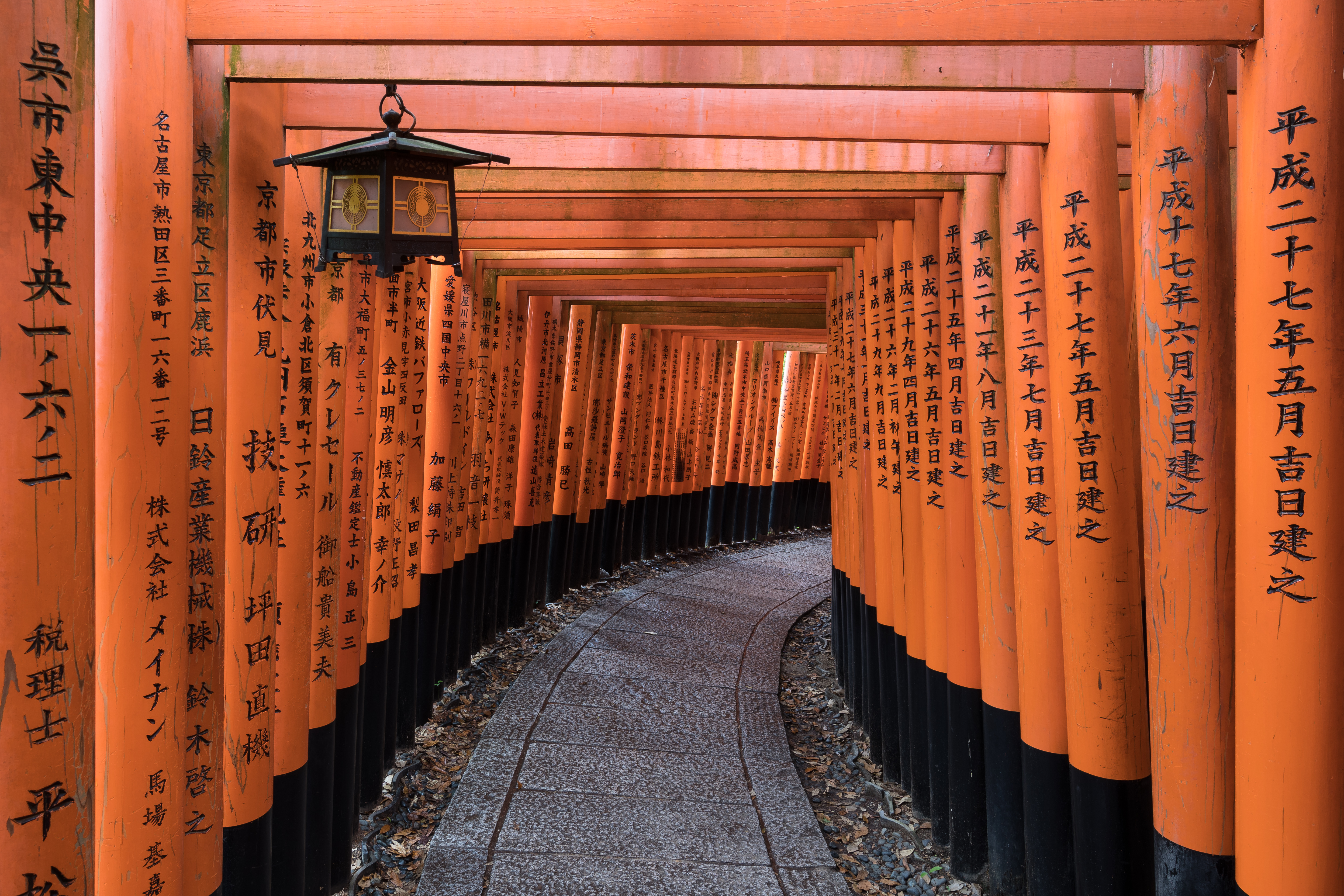
⛩️Fushimi Inari Taisha
Famous for its thousands of vermillion torii gates winding up a sacred mountain.
⛪Vatican City (St. Peter's Basilica)
The spiritual center of Roman Catholicism and home of the Pope.