🏯 Wat Phra That Lampang Luang
Thailand
About This Sacred Site
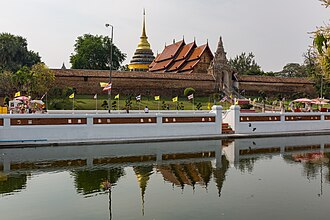
Wat Phra That Lampang Luang, located about 20 kilometers from Lampang city, is considered one of the finest and best-preserved examples of Lanna (northern Thai) temple architecture. The temple is enclosed by massive fortification walls, reflecting its origins as a wiang (fortified town). The main viharn (assembly hall), dating to 1476, is believed to be the oldest surviving wooden building in Thailand. The temple's golden chedi is said to contain a hair relic of the Buddha. One of the most remarkable features is the Viharn Nam Tam, where a natural 'camera obscura' effect projects an inverted image of the golden chedi onto the interior wall through a tiny hole — a phenomenon that has fascinated visitors for centuries.
History & Origins
Wat Phra That Lampang Luang, established in the 15th century, is home to Thailand's oldest surviving wooden building, the main viharn, which dates back to 1476. The temple complex sits within massive fortification walls originating from its function as a wiang, or fortified town, during the Lanna Kingdom era. Historical records attribute significant renovations to King Tilokkarat of Lan Na in the late 15th century, who enhanced the viharn's intricate teak wood carvings. The temple's chedi, believed to enshrine relics of the Buddha, was constructed in a style characteristic of northern Thai architecture, combining Sri Lankan stupa influences. Noteworthy restorations occurred in the 20th century, preserving the viharn's elaborate murals depicting Jataka tales, which provide insight into Buddhist moral teachings. The site has withstood regional conflicts, including Burmese invasions, underscoring its resilience and importance to the Lan Na cultural heritage.
Spiritual Significance
Wat Phra That Lampang Luang holds immense spiritual significance as a repository of Buddhist relics, particularly within its central chedi, which is venerated during the annual Tak Bat Dok Mai festival where locals offer flowers and alms to monks. The temple's main viharn, constructed in 1476, serves as a focus for chanting Pali scriptures from the Tipitaka during daily rituals. Pilgrims engage in circumambulation of the viharn and chedi, reflecting Theravada practices emphasizing merit accumulation. The temple's status as a former wiang is reflected in its protective walls, symbolizing spiritual safeguarding in Buddhist cosmology. The site is also linked to the legend of the Emerald Buddha, which is said to have passed through Lampang Luang before reaching Bangkok. Monastic teachings here adhere to the Dhammayuttika Nikaya lineage, promoting strict Vinaya discipline, which informs the temple’s ritual purity and meditative practices.
Key Facts
- •Contains the oldest surviving wooden building in Thailand (main viharn, 1476)
- •Enclosed by massive fortification walls from its origins as a wiang (fortified town)
- •The Viharn Nam Tam features a natural camera obscura effect projecting the chedi's image
- •The golden chedi is believed to contain a hair relic of the Buddha
- •One of the finest examples of Lanna (northern Thai) architectural style
Location
Coordinates: 18.2228, 99.3839
Frequently Asked Questions
What religion is Wat Phra That Lampang Luang associated with?▾
Wat Phra That Lampang Luang is a Buddhism holy site located in Thailand. It was established c. 15th century and is ranked #291 in our global directory of sacred sites.
When was Wat Phra That Lampang Luang established?▾
Wat Phra That Lampang Luang dates back to c. 15th century. Contains the oldest surviving wooden building in Thailand (main viharn, 1476)
How many people visit Wat Phra That Lampang Luang each year?▾
Wat Phra That Lampang Luang receives approximately 200,000 visitors per year. Enclosed by massive fortification walls from its origins as a wiang (fortified town)
What is Wat Phra That Lampang Luang known for?▾
One of the finest examples of Lanna temple architecture in northern Thailand. Visitors come seeking blessings, protection, pilgrimage, spiritual enlightenment. The Viharn Nam Tam features a natural camera obscura effect projecting the chedi's image
Related Holy Sites
Sacred places connected by country, religion, and purpose
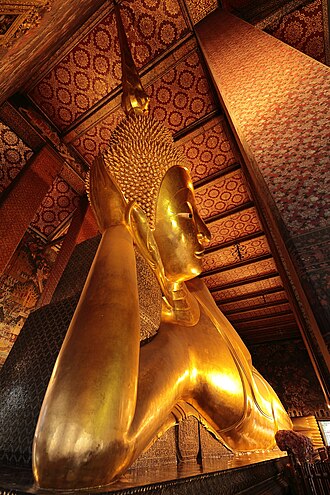
🙏Wat Pho (Temple of the Reclining Buddha)
Home to a 46-meter golden reclining Buddha and the birthplace of Thai massage.
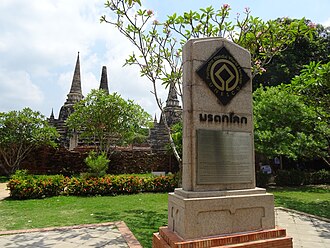
🏛️Ayutthaya Historical Park
The ruins of Thailand's ancient capital, with hundreds of Buddhist temple remains.
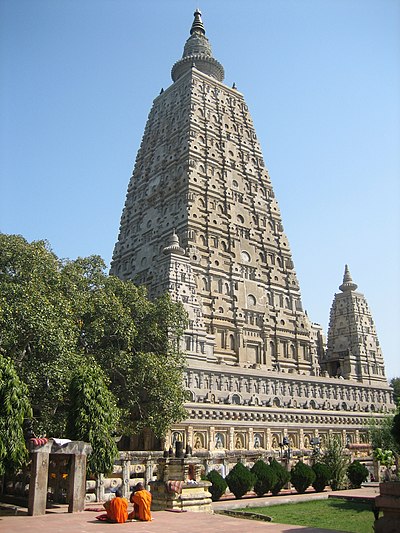
☸️Bodh Gaya (Mahabodhi Temple)
Where Siddhartha Gautama attained enlightenment and became the Buddha.
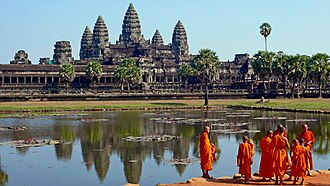
🛕Angkor Wat
The largest religious monument in the world, originally Hindu then Buddhist.