
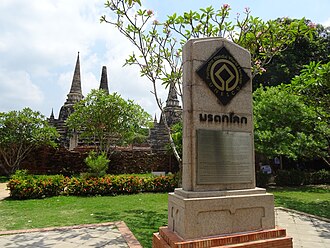
🏛️ Ayutthaya Historical Park
Thailand
About This Sacred Site
Ayutthaya Historical Park contains the ruins of Ayutthaya, the second capital of the Siamese Kingdom, which was one of the largest and most cosmopolitan cities in the world during the 14th-18th centuries. At its peak, Ayutthaya had a population of nearly one million — larger than contemporary London or Paris — and was famed for its hundreds of glittering temples. The city was destroyed by Burmese invaders in 1767, and the remaining ruins, including the famous Buddha head entwined in tree roots at Wat Mahathat, are hauntingly beautiful. The park contains dozens of temple ruins including Wat Phra Si Sanphet, which housed a 16-meter-tall gold-covered Buddha before the Burmese invasion.
History & Origins
Ayutthaya Historical Park preserves the remains of Ayutthaya, the capital of the Siamese Kingdom founded in 1350 by King U Thong. Strategically located on an island surrounded by rivers, Ayutthaya flourished as a major trading hub connecting East and West. The city was renowned for its impressive temple complexes, palaces, and sculptures blending Khmer, Sri Lankan, Persian, and European styles. In 1767, the Burmese army sacked and destroyed much of Ayutthaya, leaving it in ruins. The site was abandoned for over a century until restoration efforts began in the 20th century. Today, the park showcases iconic ruins such as Wat Mahathat with its famous Buddha head entwined in tree roots, reflecting the city’s former religious and political grandeur. It was designated a UNESCO World Heritage Site in 1991, recognizing its historical and cultural significance as a testament to Thailand’s rich Buddhist heritage and ancient urban planning.
Spiritual Significance
Once the capital of the Kingdom of Siam from 1350 to 1767, this site contains numerous ruins of Buddhist temples, including Wat Mahathat, where a Buddha head entwined in tree roots symbolizes the impermanence central to Buddhist doctrine. The park's temples were sites of royal patronage, hosting significant ceremonies such as the annual Royal Ploughing Ceremony, which invokes agricultural blessings and is linked to Buddhist merit-making. Pilgrims visit the ruins to perform acts of devotion, including chanting from the Tripitaka and offering lotus flowers and candles. The site reflects the integration of Theravada Buddhism with Khmer and Sri Lankan influences during its zenith. Monastic communities historically engaged in scriptural study and meditation here, supported by the monarchy. The ruins demonstrate the historical centrality of Buddhist cosmology in statecraft and daily life, with stupa structures representing the Buddha's presence and teachings preserved in the Pali Canon.
Key Facts
- •Capital of the Kingdom of Siam for 417 years (1350-1767) with nearly 1 million residents
- •The Buddha head entwined in tree roots at Wat Mahathat is one of Thailand's most iconic images
- •UNESCO World Heritage Site since 1991
- •Destroyed by Burmese invaders in 1767 after a 14-month siege
- •At its peak, Ayutthaya had 400 temples and was larger than London or Paris
Location
Coordinates: 14.3577, 100.5686
Frequently Asked Questions
What religion is Ayutthaya Historical Park associated with?▾
Ayutthaya Historical Park is a Buddhism holy site located in Thailand. It was established 1350 and is ranked #115 in our global directory of sacred sites.
When was Ayutthaya Historical Park established?▾
Ayutthaya Historical Park dates back to 1350. Capital of the Kingdom of Siam for 417 years (1350-1767) with nearly 1 million residents
How many people visit Ayutthaya Historical Park each year?▾
Ayutthaya Historical Park receives approximately 5+ million visitors per year. The Buddha head entwined in tree roots at Wat Mahathat is one of Thailand's most iconic images
What is Ayutthaya Historical Park known for?▾
The ruins of Thailand's ancient capital, with hundreds of Buddhist temple remains. Visitors come seeking ancestral connection, spiritual enlightenment, peace, meditation. UNESCO World Heritage Site since 1991
Related Holy Sites
Sacred places connected by country, religion, and purpose
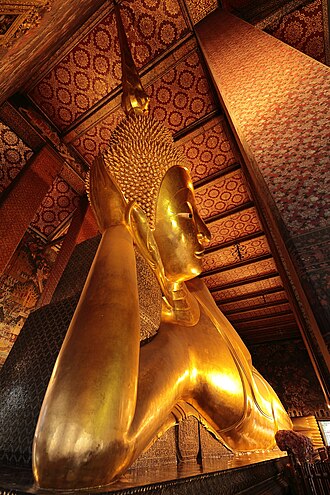
🙏Wat Pho (Temple of the Reclining Buddha)
Home to a 46-meter golden reclining Buddha and the birthplace of Thai massage.
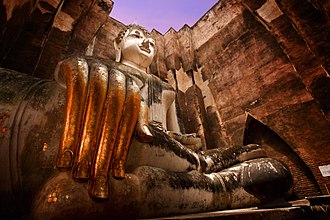
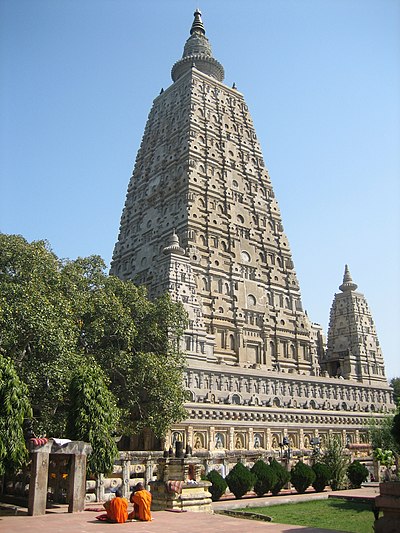
☸️Bodh Gaya (Mahabodhi Temple)
Where Siddhartha Gautama attained enlightenment and became the Buddha.
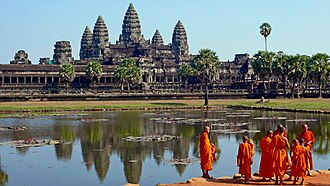
🛕Angkor Wat
The largest religious monument in the world, originally Hindu then Buddhist.
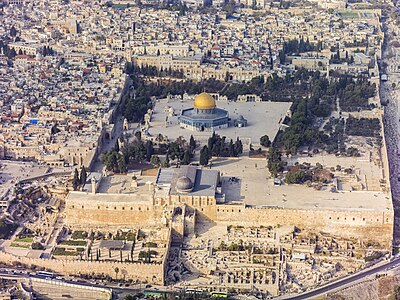
🕌Temple Mount / Al-Aqsa (Jerusalem)
Sacred to Judaism, Christianity, and Islam — the most contested holy site on Earth.
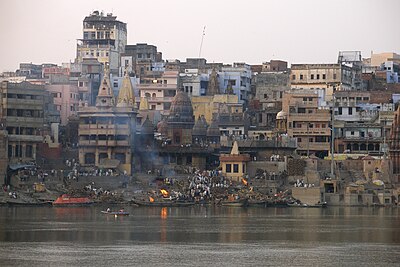
🙏Varanasi (Kashi Vishwanath Temple)
The holiest city in Hinduism, where the Ganges River purifies the soul.

