☸️ Vat Phou (Southern Complex)
Laos
About This Sacred Site
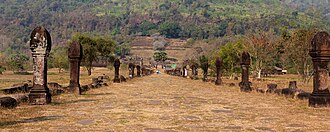
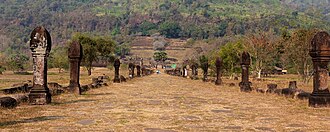
The southern sanctuary area of the Vat Phou complex contains later Buddhist additions including meditation halls, monks' quarters, and sacred springs used for ritual purification. While the upper temple was originally Hindu, the lower precincts were developed during the Theravada Buddhist period and continue to serve as active places of worship and meditation. The natural springs flowing from the mountain are considered sacred, and monks still practice meditation retreats in the surrounding forest.
History & Origins
Vat Phou, located in southern Laos, is an ancient Khmer Hindu temple complex dating to the 11th to 13th centuries CE, later adapted for Buddhist worship. The southern sanctuary area includes meditation halls, monks’ quarters, and sacred springs integrated into the natural landscape, emphasizing spiritual harmony with the environment. Originally dedicated to Shiva, Vat Phou was part of a vast religious and administrative center connected to the Khmer Empire’s capital at Angkor. Over time, the complex transitioned to Theravada Buddhism, reflecting regional religious shifts. Rediscovered and restored in the 20th century, Vat Phou is a UNESCO World Heritage Site, valued for its architectural grandeur, stone carvings, and its role in illustrating the cultural syncretism of Southeast Asia.
Spiritual Significance
The Southern Complex of Vat Phou, dating to the 13th century CE, marks the transition from Hinduism to Buddhism in Laos, where Buddhist meditation halls were appended to the original Hindu temple structures. Pilgrims engage in ritual purification by collecting water from the sacred springs originating on Mount Phou Kao, believed to possess cleansing properties as referenced in local Theravāda Buddhist practices. Monks residing at the site continue to observe Vipassanā meditation, reflecting teachings from the Pali Canon, particularly the Satipaṭṭhāna Sutta. Annual festivals coincide with the Lao New Year, where devotees perform offerings to both Hindu deities and Buddhist figures, acknowledging the site's layered spiritual heritage. The site’s architecture aligns with cosmological principles found in the Mahayana Buddhist text, the Avatamsaka Sutra, symbolizing the mountain as a spiritual axis connecting the terrestrial and divine realms.
Key Facts
- •Contains Buddhist meditation halls added after the conversion from Hinduism
- •Sacred springs from the mountain are used for ritual purification
- •Monks continue to practice meditation retreats in the surrounding forest
- •The lower causeways feature baray (reservoirs) reflecting Hindu-Buddhist cosmology
- •Part of the broader Wat Phu UNESCO World Heritage Site
Location
Coordinates: 14.8400, 105.8100
Frequently Asked Questions
What religion is Vat Phou (Southern Complex) associated with?▾
Vat Phou (Southern Complex) is a Buddhism holy site located in Laos. It was established c. 13th century CE and is ranked #314 in our global directory of sacred sites.
When was Vat Phou (Southern Complex) established?▾
Vat Phou (Southern Complex) dates back to c. 13th century CE. Contains Buddhist meditation halls added after the conversion from Hinduism
How many people visit Vat Phou (Southern Complex) each year?▾
Vat Phou (Southern Complex) receives approximately 30,000+ visitors per year. Sacred springs from the mountain are used for ritual purification
What is Vat Phou (Southern Complex) known for?▾
The southern sanctuary within the Wat Phu complex with Buddhist meditation halls and sacred springs. Visitors come seeking meditation, peace, spiritual enlightenment, purification. Monks continue to practice meditation retreats in the surrounding forest
Related Holy Sites
Sacred places connected by country, religion, and purpose
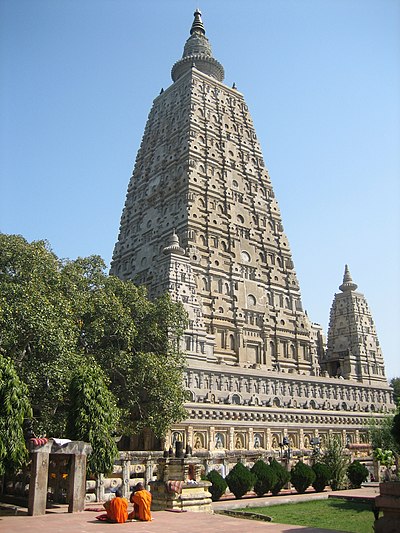
☸️Bodh Gaya (Mahabodhi Temple)
Where Siddhartha Gautama attained enlightenment and became the Buddha.
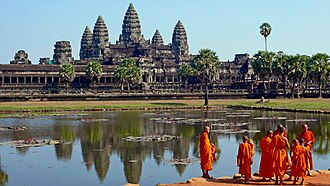
🛕Angkor Wat
The largest religious monument in the world, originally Hindu then Buddhist.