🌋 Tswaing Crater
South Africa
About This Sacred Site
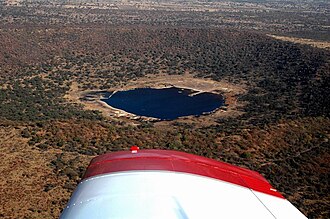
Tswaing Crater, located approximately 40 kilometers northwest of Pretoria, South Africa, is a large meteorite impact crater formed about 220,000 years ago. Measuring roughly 1.13 kilometers in diameter, the crater contains a saline lake and surrounding marshes that support diverse flora and fauna. The name "Tswaing" means "place of salt" in Tswana, referring to the salt deposits found in the crater, which were historically harvested by indigenous peoples for thousands of years. It is both a geological and cultural heritage site.
Spiritual Significance
Formed by a meteorite impact approximately 220,000 years ago, the Tswaing Crater has been a sacred site for indigenous peoples for at least 100,000 years, evidenced by archaeological findings of stone tools. The crater's salt pan has been central to ritual practices, where local communities perform cleansing ceremonies and offerings to earth spirits believed to inhabit the site. Tswana oral traditions recount the crater as a place of divine origin, with annual pilgrimage rituals involving water libations intended to ensure fertility and communal well-being. The geographic dimensions—1.13 km diameter and 100 meters deep—have contributed to its interpretation as a liminal space between the physical and spiritual, with ongoing ceremonial use documented by ethnographers.
Key Facts
- •Formed by a meteorite impact approximately 220,000 years ago
- •The crater is about 1.13 km in diameter and 100 meters deep
- •Archaeological evidence of human use spans at least 100,000 years
- •The soda lake's mineral-rich waters were used for healing and salt extraction
- •One of the best-preserved meteorite impact craters in the world
Location
Coordinates: -25.4083, 28.0800
Frequently Asked Questions
What religion is Tswaing Crater associated with?▾
Tswaing Crater is a Indigenous holy site located in South Africa. It was established c. 100,000 years ago (human use) and is ranked #984 in our global directory of sacred sites.
When was Tswaing Crater established?▾
Tswaing Crater dates back to c. 100,000 years ago (human use). Formed by a meteorite impact approximately 220,000 years ago
How many people visit Tswaing Crater each year?▾
Tswaing Crater receives approximately 20,000+ visitors per year. The crater is about 1.13 km in diameter and 100 meters deep
What is Tswaing Crater known for?▾
A 220,000-year-old meteorite crater near Pretoria used as a sacred healing site by indigenous peoples. Visitors come seeking healing, purification, ancestral connection, spiritual enlightenment. Archaeological evidence of human use spans at least 100,000 years
Related Holy Sites
Sacred places connected by country, religion, and purpose
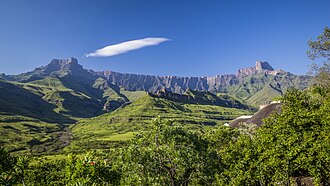
🎨Drakensberg Rock Art
One of the world's greatest collections of San rock art, depicting spiritual trances and rituals.
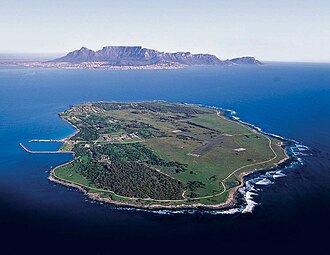
🏝️Robben Island (Spiritual Significance)
The island prison where Nelson Mandela was held, now a UNESCO-listed site of pilgrimage and reflection.
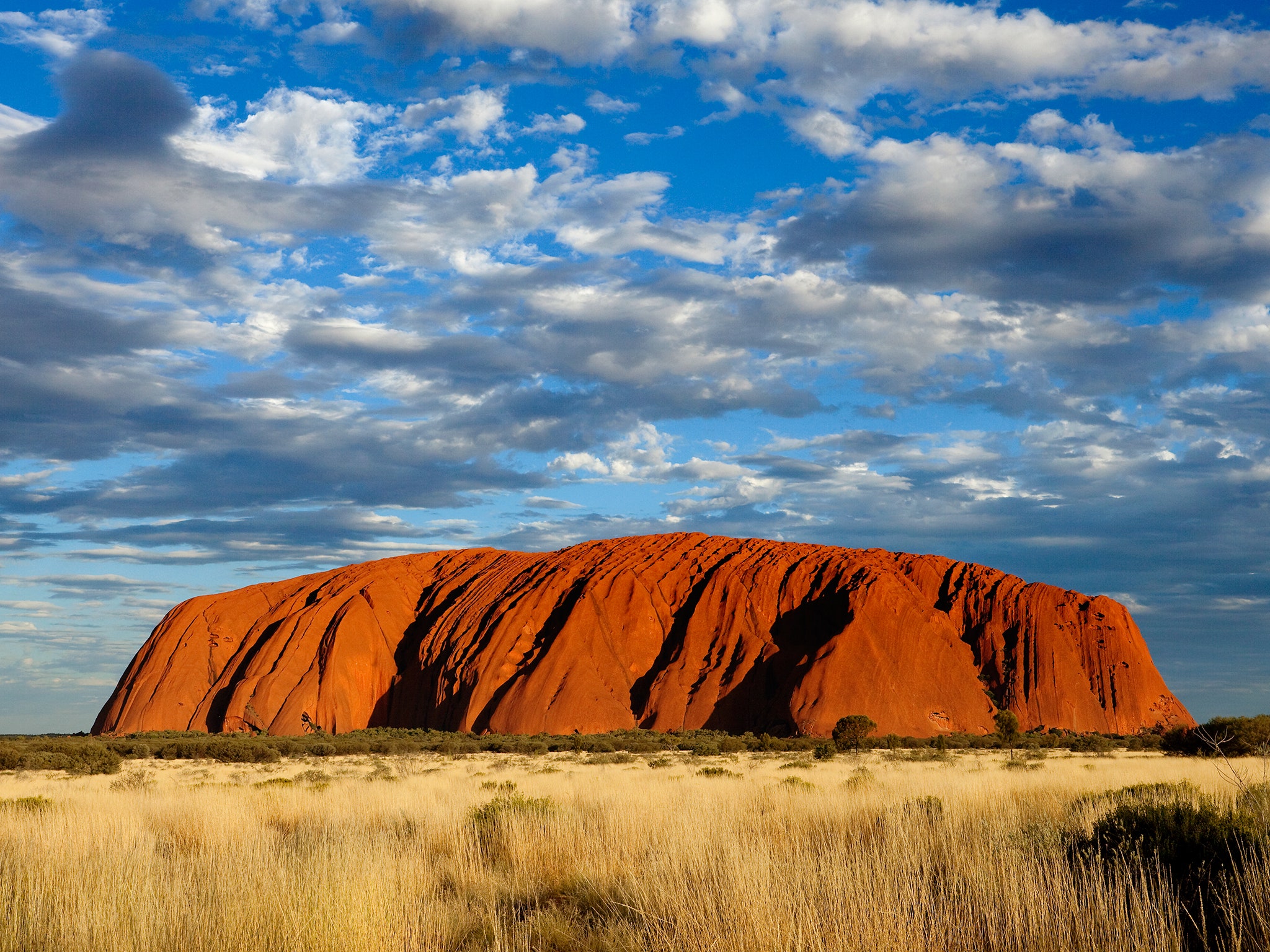
🪨Uluru (Ayers Rock)
A sacred monolith central to Aboriginal Australian creation stories.
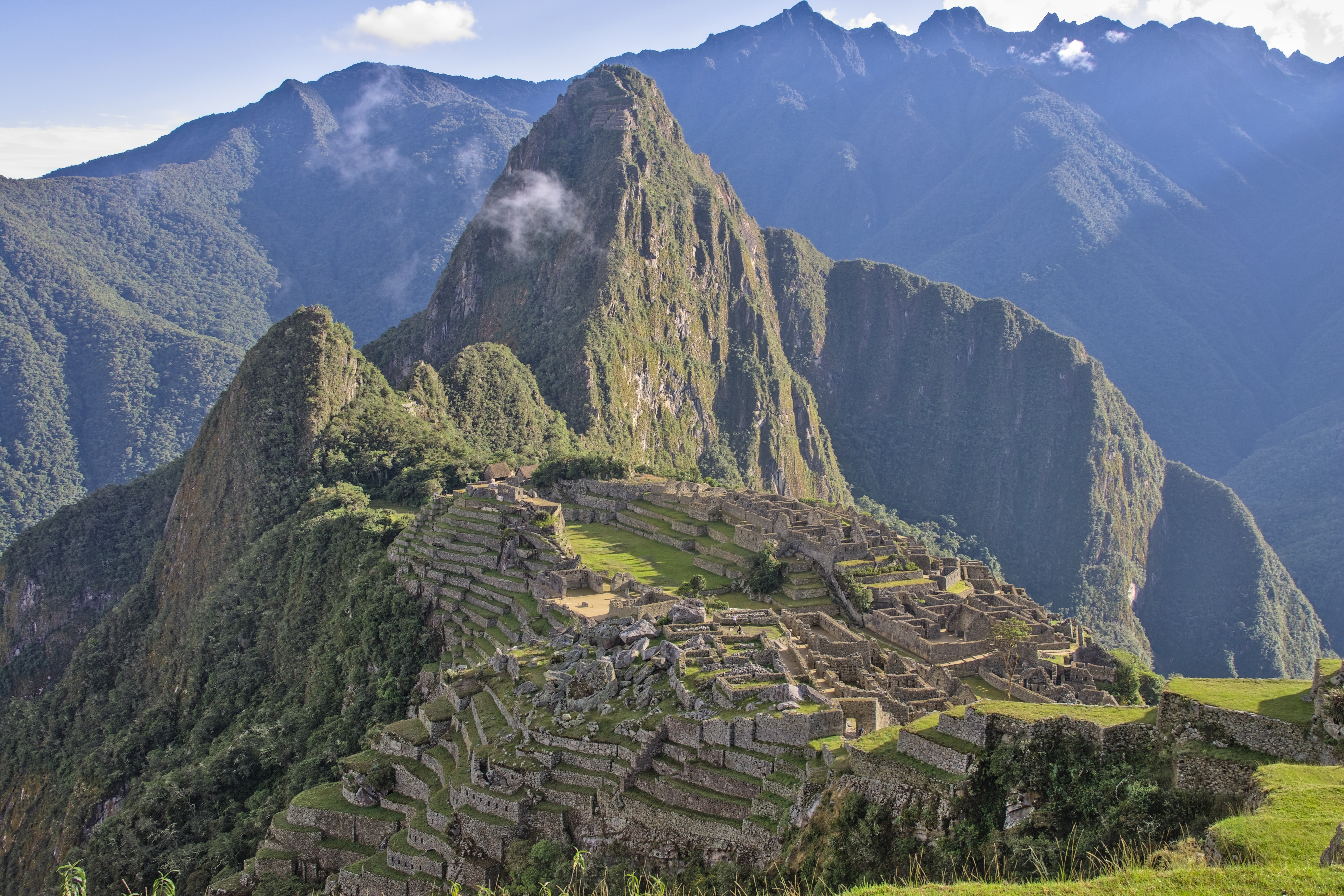
🏔️Machu Picchu
A sacred Inca citadel set high in the Andes, aligned with astronomical events.