
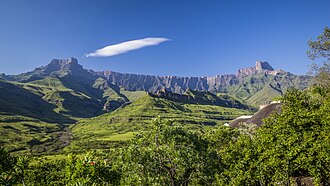
🎨 Drakensberg Rock Art
South Africa
About This Sacred Site
The uKhahlamba-Drakensberg Park in South Africa contains one of the most outstanding and concentrated collections of rock paintings in the world. Created by the San (Bushmen) people over a period of at least 4,000 years, the paintings depict spiritual trances, ritual dances, rain-making ceremonies, and the relationship between the physical and spirit worlds. The UNESCO World Heritage Site preserves thousands of individual paintings in hundreds of rock shelters across the dramatic mountain landscape.
Spiritual Significance
The Drakensberg Rock Art shelters, dating back to around 3000 BCE, serve as sacred sites for the San peoples who believe the paintings represent spiritual journeys and ancestral presences. Over 35,000 rock paintings across 600 shelters depict trance dances and eland hunts, integral to rituals invoking rain and fertility, performed during the annual First Fruit ceremony. Shamans enter trance states guided by these images, believed to channel the spirits of ancestors and the /ǀXam cosmology rooted in the “Bleeding Eland” myth. Recognized as a UNESCO World Heritage Site since 2000, these sites continue to attract indigenous pilgrims who conduct offerings and recount oral histories tied to the rock art, sustaining a living spiritual tradition linked to southern African cosmology.
Key Facts
- •UNESCO World Heritage Site (mixed natural and cultural) since 2000
- •Contains over 35,000 individual rock paintings in some 600 shelters
- •The oldest paintings may date back over 3,000 years
- •Many paintings depict shamanic trance states and spiritual ceremonies
- •The San people believed the rock face was a veil between the human and spirit worlds
Location
Coordinates: -29.1000, 29.3000
Frequently Asked Questions
What religion is Drakensberg Rock Art associated with?▾
Drakensberg Rock Art is a Indigenous holy site located in South Africa. It was established c. 3000 BCE and is ranked #57 in our global directory of sacred sites.
When was Drakensberg Rock Art established?▾
Drakensberg Rock Art dates back to c. 3000 BCE. UNESCO World Heritage Site (mixed natural and cultural) since 2000
How many people visit Drakensberg Rock Art each year?▾
Drakensberg Rock Art receives approximately 200,000+ visitors per year. Contains over 35,000 individual rock paintings in some 600 shelters
What is Drakensberg Rock Art known for?▾
One of the world's greatest collections of San rock art, depicting spiritual trances and rituals. Visitors come seeking ancestral connection, spiritual enlightenment, healing, guidance. The oldest paintings may date back over 3,000 years
Related Holy Sites
Sacred places connected by country, religion, and purpose
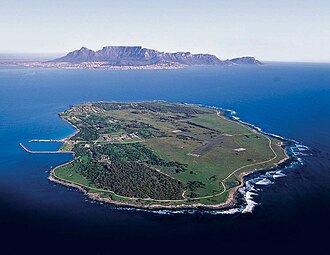
🏝️Robben Island (Spiritual Significance)
The island prison where Nelson Mandela was held, now a UNESCO-listed site of pilgrimage and reflection.
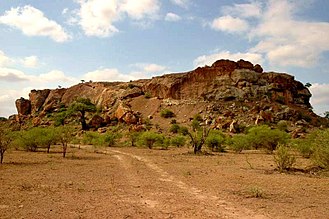
🏛️Mapungubwe
Ruins of a pre-colonial kingdom in Limpopo, where the golden rhino was found — a site of royal spiritual power.
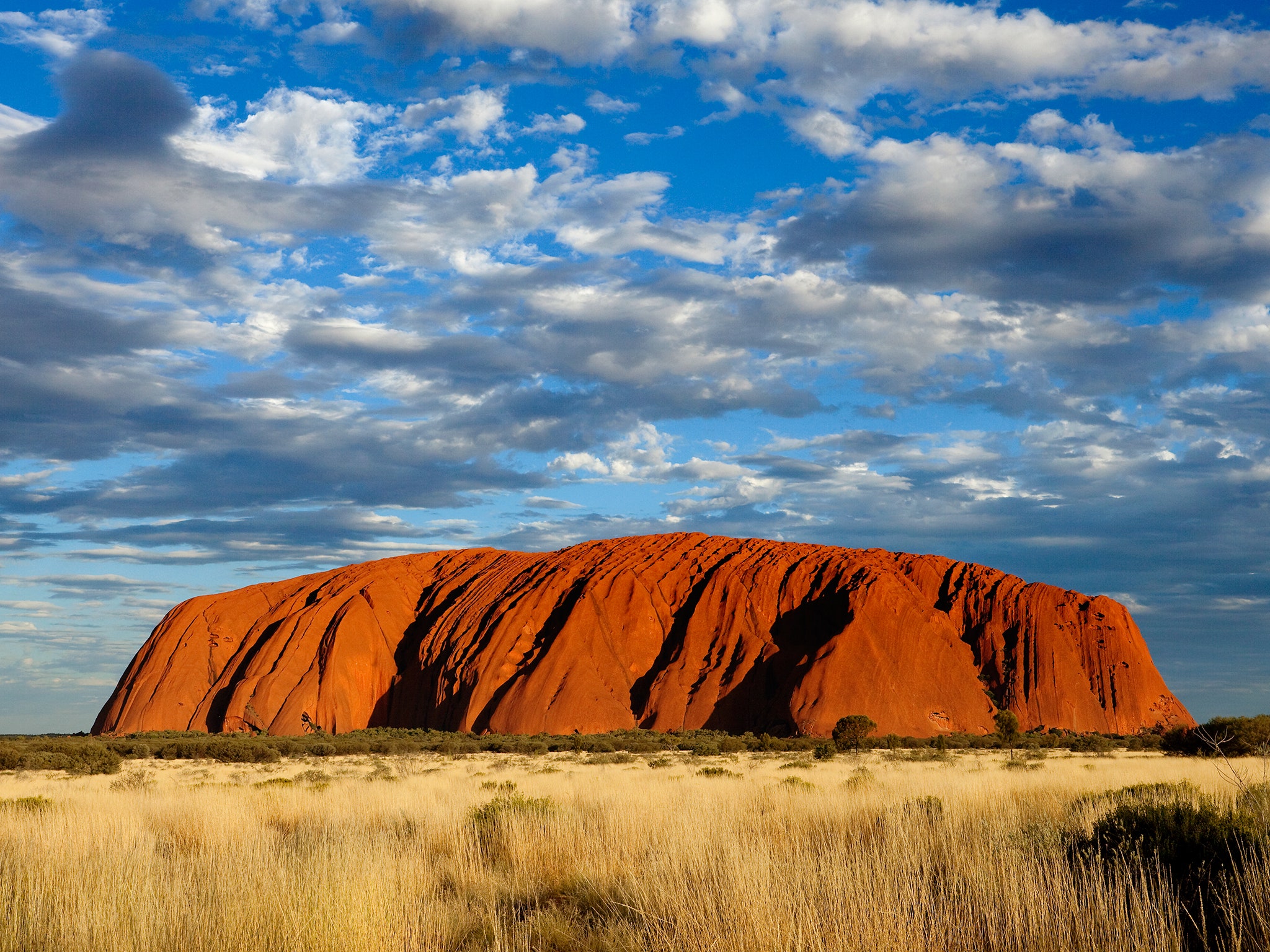
🪨Uluru (Ayers Rock)
A sacred monolith central to Aboriginal Australian creation stories.
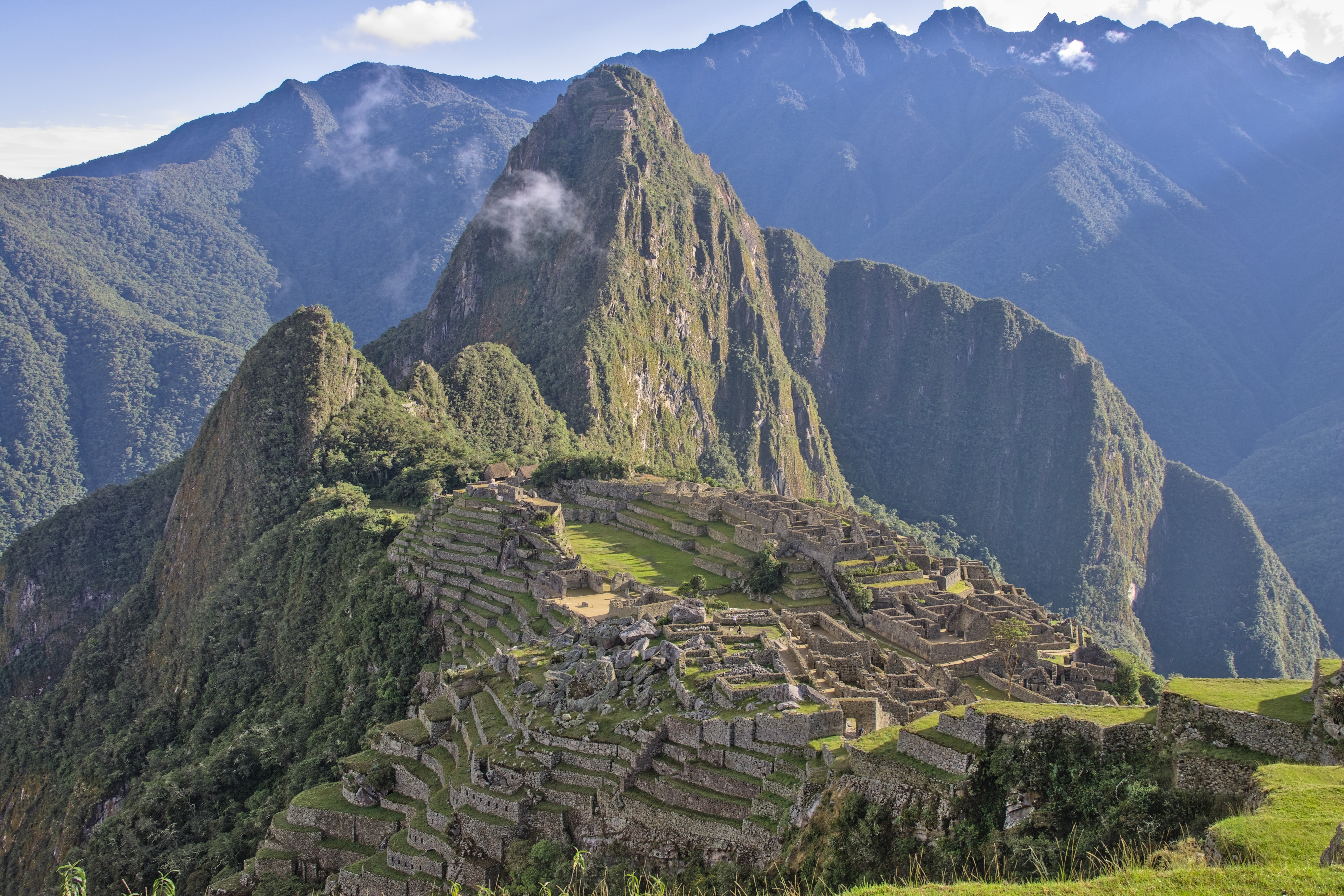
🏔️Machu Picchu
A sacred Inca citadel set high in the Andes, aligned with astronomical events.
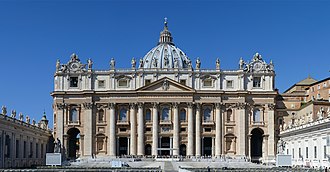
⛪Vatican City (St. Peter's Basilica)
The spiritual center of Roman Catholicism and home of the Pope.
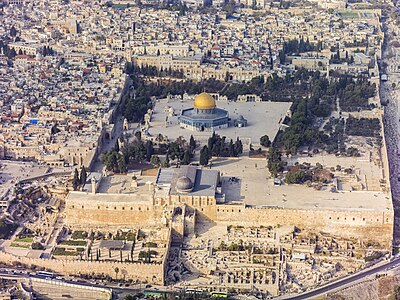
🕌Temple Mount / Al-Aqsa (Jerusalem)
Sacred to Judaism, Christianity, and Islam — the most contested holy site on Earth.

