
🏛️ Mapungubwe
South Africa
About This Sacred Site
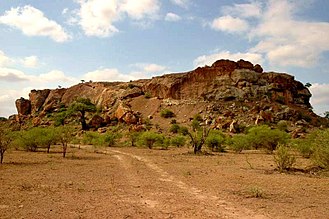
Mapungubwe, established circa 1075 CE in northeastern South Africa, features a hilltop royal enclosure constructed from dry stone walls using local sandstone. The site spans approximately 1,800 hectares and includes terraced gardens and a complex of stone-walled settlements. Prominent architectural features include the elite burial mound where the Mapungubwe Golden Rhino was discovered, crafted from gold foil and wood, symbolizing royal authority. The kingdom, which flourished until around 1220 CE, developed sophisticated urban planning with distinct social stratification visible in the spatial organization of dwellings and ceremonial areas.
History & Origins
Founded circa 1075 CE, Mapungubwe emerged as the political and economic center of the first known kingdom in southern Africa. The kingdom thrived through trade in gold, ivory, and other goods with Swahili, Arab, and Asian merchants. Excavations revealed complex social hierarchies, with elite burials on Mapungubwe Hill and commoners in surrounding areas. The society declined by the 13th century, likely due to environmental changes and shifts in trade routes, leading to the rise of Great Zimbabwe. The site was rediscovered in the early 20th century and declared a UNESCO World Heritage Site in 2003, highlighting its cultural and historical significance.
Spiritual Significance
The spiritual significance of Mapungubwe centers on its role as a sacred royal capital where ancestral worship and kingship rituals were performed. The Golden Rhino, regarded as a totemic emblem, reflects the connection between spiritual power and political leadership, with rituals likely conducted on the royal hill to invoke protection and fertility. Archaeological evidence suggests that Mapungubwe's inhabitants practiced ancestor veneration, consistent with Bantu-speaking peoples' beliefs, involving libations and offerings to spirits for rain and harvest success. Annual pilgrimages to the site by descendant communities coincide with agricultural cycles, maintaining the spiritual legacy that aligns with indigenous cosmologies emphasizing the unity of the living and ancestral worlds.
Key Facts
- •UNESCO World Heritage Site since 2003
- •The famous Mapungubwe Golden Rhino is a national treasure of South Africa
- •The kingdom flourished from approximately 1075 to 1220 CE
- •Located at the confluence of the Limpopo and Shashe rivers
- •The hilltop was restricted to royalty and spiritual leaders, reflecting sacred hierarchy
Location
Coordinates: -22.1939, 29.2500
Frequently Asked Questions
What religion is Mapungubwe associated with?▾
Mapungubwe is a Indigenous holy site located in South Africa. It was established c. 1075 CE and is ranked #531 in our global directory of sacred sites.
When was Mapungubwe established?▾
Mapungubwe dates back to c. 1075 CE. UNESCO World Heritage Site since 2003
How many people visit Mapungubwe each year?▾
Mapungubwe receives approximately 30,000+ visitors per year. The famous Mapungubwe Golden Rhino is a national treasure of South Africa
What is Mapungubwe known for?▾
Ruins of a pre-colonial kingdom in Limpopo, where the golden rhino was found — a site of royal spiritual power. Visitors come seeking ancestral connection, prosperity, guidance, spiritual enlightenment. The kingdom flourished from approximately 1075 to 1220 CE
Related Holy Sites
Sacred places connected by country, religion, and purpose
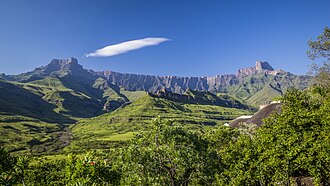
🎨Drakensberg Rock Art
One of the world's greatest collections of San rock art, depicting spiritual trances and rituals.
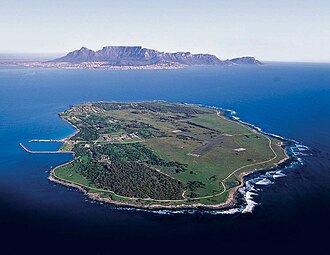
🏝️Robben Island (Spiritual Significance)
The island prison where Nelson Mandela was held, now a UNESCO-listed site of pilgrimage and reflection.
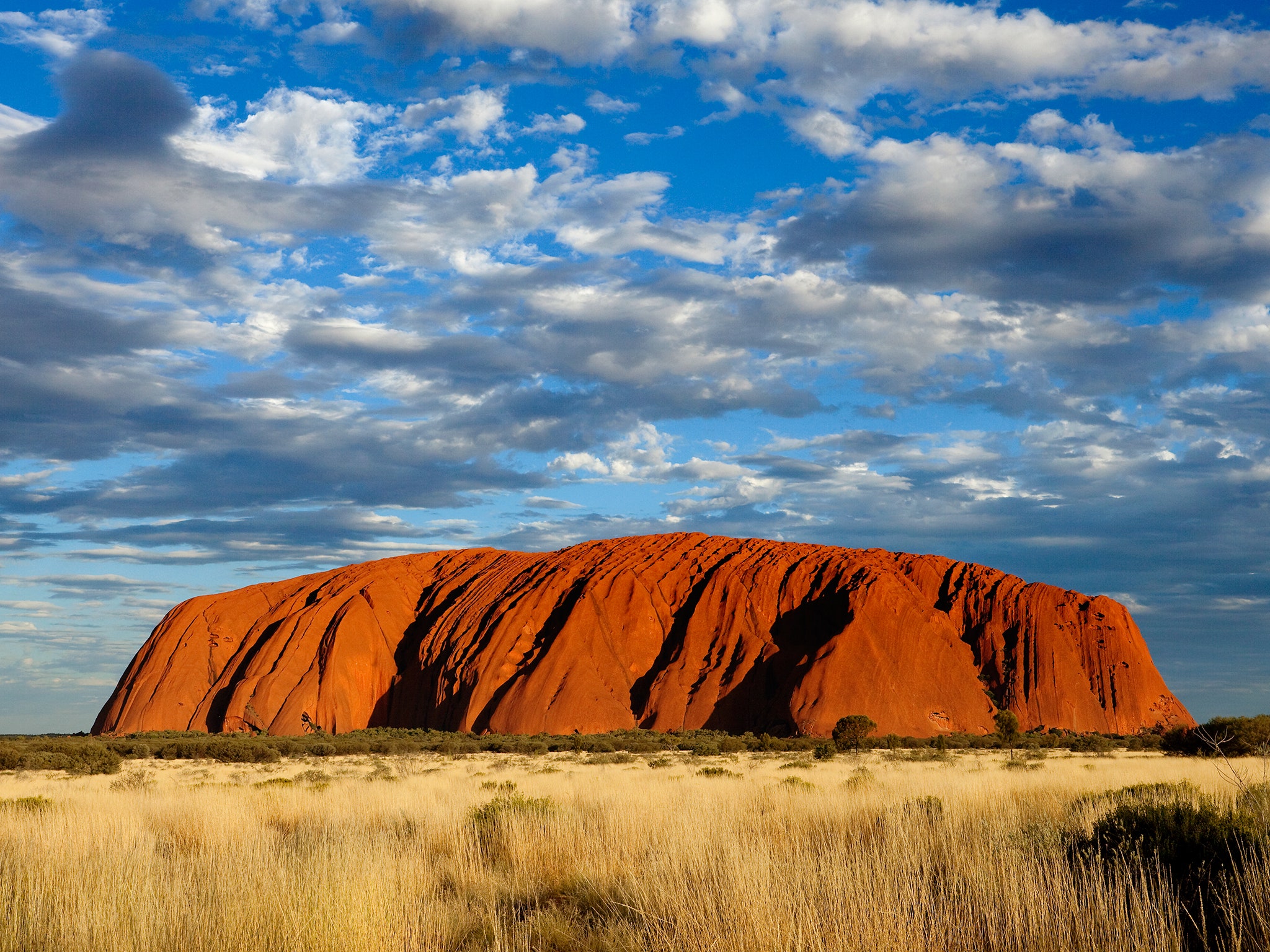
🪨Uluru (Ayers Rock)
A sacred monolith central to Aboriginal Australian creation stories.
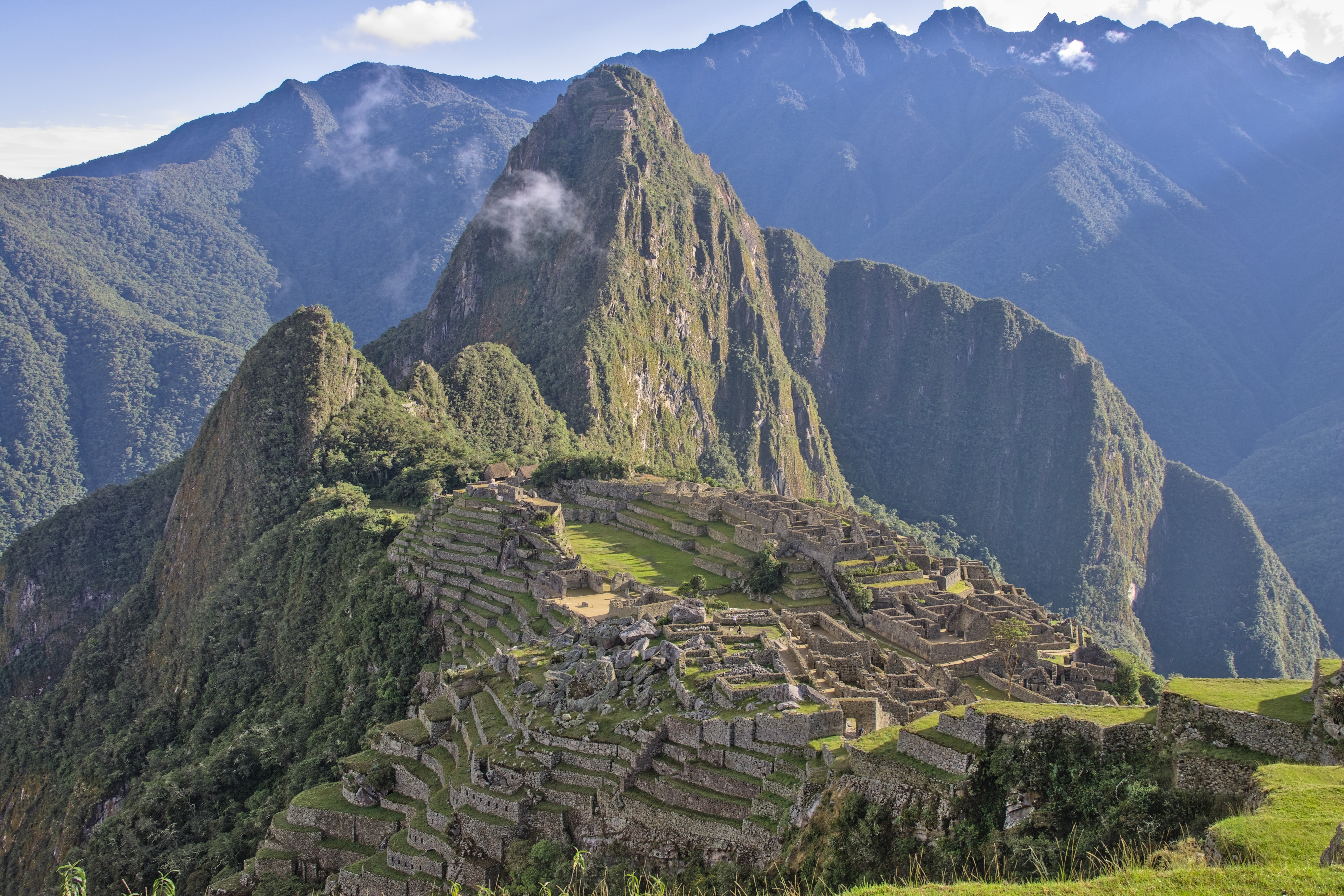
🏔️Machu Picchu
A sacred Inca citadel set high in the Andes, aligned with astronomical events.

⛪Vatican City (St. Peter's Basilica)
The spiritual center of Roman Catholicism and home of the Pope.

🕌Temple Mount / Al-Aqsa (Jerusalem)
Sacred to Judaism, Christianity, and Islam — the most contested holy site on Earth.

