🏝️ Robben Island (Spiritual Significance)
South Africa
About This Sacred Site
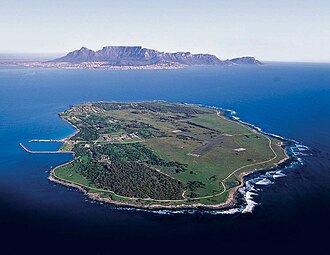
Robben Island, lying in Table Bay off Cape Town, served as a political prison during apartheid, most famously holding Nelson Mandela for 18 of his 27 years of imprisonment. The island is a UNESCO World Heritage Site and has become a place of profound spiritual pilgrimage. Mandela himself described his imprisonment as a spiritual journey of forgiveness and transformation. The island also holds significance for the Cape's Muslim community, as several Islamic scholars were exiled there, and a kramat (shrine) marks their legacy.
Spiritual Significance
Robben Island holds profound spiritual significance as a multi-faith site where resilience and faith intertwined during apartheid. The Islamic kramat dedicated to Tuan Guru, an 18th-century scholar exiled to the island, serves as a pilgrimage destination for followers of Islam who perform dhikr and recite the Quran there annually. Christian prisoners, including Nelson Mandela who was detained from 1964 to 1982, engaged in clandestine prayer meetings and hymn singing, reflecting the island's role as a locus of spiritual endurance. The island's designation as a UNESCO World Heritage Site in 1999 recognizes its layered spiritual heritage, where rituals of remembrance and reconciliation are held on significant dates like Freedom Day, symbolizing liberation theology and the triumph of hope over oppression.
Key Facts
- •UNESCO World Heritage Site since 1999
- •Nelson Mandela was imprisoned here from 1964 to 1982
- •Contains a kramat (Islamic shrine) of Tuan Guru and other exiled scholars
- •Over 3,000 political prisoners were held on the island during apartheid
- •Former prisoners now serve as tour guides, sharing their spiritual journeys
Location
Coordinates: -33.8076, 18.3712
Frequently Asked Questions
What religion is Robben Island (Spiritual Significance) associated with?▾
Robben Island (Spiritual Significance) is a Multi-faith holy site located in South Africa. It was established c. 1600s (as prison) and is ranked #327 in our global directory of sacred sites.
When was Robben Island (Spiritual Significance) established?▾
Robben Island (Spiritual Significance) dates back to c. 1600s (as prison). UNESCO World Heritage Site since 1999
How many people visit Robben Island (Spiritual Significance) each year?▾
Robben Island (Spiritual Significance) receives approximately 300,000+ visitors per year. Nelson Mandela was imprisoned here from 1964 to 1982
What is Robben Island (Spiritual Significance) known for?▾
The island prison where Nelson Mandela was held, now a UNESCO-listed site of pilgrimage and reflection. Visitors come seeking forgiveness, peace, healing, spiritual enlightenment. Contains a kramat (Islamic shrine) of Tuan Guru and other exiled scholars
Related Holy Sites
Sacred places connected by country, religion, and purpose
🎨Drakensberg Rock Art
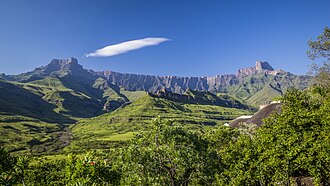
One of the world's greatest collections of San rock art, depicting spiritual trances and rituals.
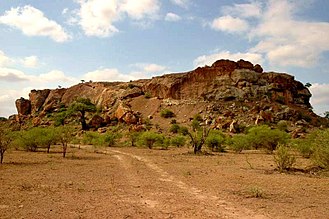
🏛️Mapungubwe
Ruins of a pre-colonial kingdom in Limpopo, where the golden rhino was found — a site of royal spiritual power.
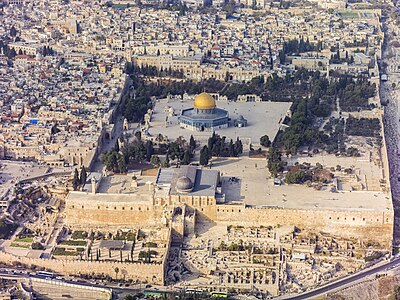
🕌Temple Mount / Al-Aqsa (Jerusalem)
Sacred to Judaism, Christianity, and Islam — the most contested holy site on Earth.
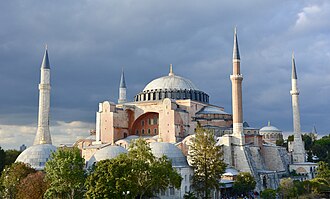
🏛️Hagia Sophia
A masterpiece that served as cathedral, mosque, and museum across centuries.