
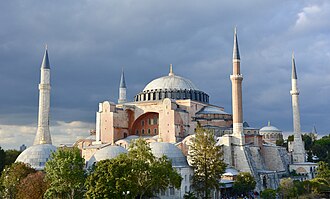
🏛️ Hagia Sophia
Turkey
About This Sacred Site
Hagia Sophia in Istanbul, Turkey, is a monumental architectural marvel originally constructed in 537 CE under Byzantine Emperor Justinian I. Initially a Greek Orthodox cathedral, it was the world’s largest church for centuries, renowned for its massive dome and intricate mosaics. Following the Ottoman conquest in 1453, it was converted into a mosque, adding minarets and Islamic calligraphy. In 1935, it became a museum, symbolizing secular heritage. Recently, it resumed functioning as a mosque while remaining a major cultural and historical landmark revered by multiple faiths.
Spiritual Significance
Constructed between 532 and 537 CE under Emperor Justinian I, the Hagia Sophia's dome spans 31.24 meters, making it the world's largest for centuries and a marvel of Byzantine engineering. Initially an Eastern Orthodox cathedral, it was the seat of the Ecumenical Patriarchate and central to Orthodox liturgy, including the Divine Liturgy celebrated by patriarchs. After the Ottoman conquest in 1453, it was converted into a mosque incorporating Islamic features such as mihrabs and minarets while preserving Christian mosaics. The site has hosted interfaith pilgrimages and continues as a museum and mosque, reflecting layered spiritual histories. Recognized as a UNESCO World Heritage Site since 1985, it remains a testament to religious and architectural syncretism.
Key Facts
- •Its dome spans 31.24 meters and was the largest in the world for centuries
- •Built in just 5 years (532-537 CE) by 10,000 workers
- •UNESCO World Heritage Site since 1985
- •Contains both Byzantine Christian mosaics and Islamic calligraphy
- •The name means 'Holy Wisdom' in Greek
Location
Coordinates: 41.0086, 28.9802
Frequently Asked Questions
What religion is Hagia Sophia associated with?▾
Hagia Sophia is a Multi-faith holy site located in Turkey. It was established 537 CE and is ranked #12 in our global directory of sacred sites.
When was Hagia Sophia established?▾
Hagia Sophia dates back to 537 CE. Its dome spans 31.24 meters and was the largest in the world for centuries
How many people visit Hagia Sophia each year?▾
Hagia Sophia receives approximately 3.7 million visitors per year. Built in just 5 years (532-537 CE) by 10,000 workers
What is Hagia Sophia known for?▾
A masterpiece that served as cathedral, mosque, and museum across centuries. Visitors come seeking spiritual enlightenment, peace, blessings, pilgrimage. UNESCO World Heritage Site since 1985
Related Holy Sites
Sacred places connected by country, religion, and purpose
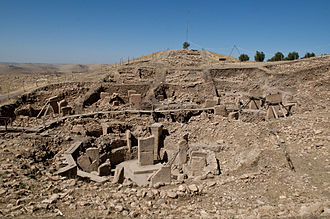
🏛️Göbekli Tepe
The world's oldest known temple, predating Stonehenge by 6,000 years.
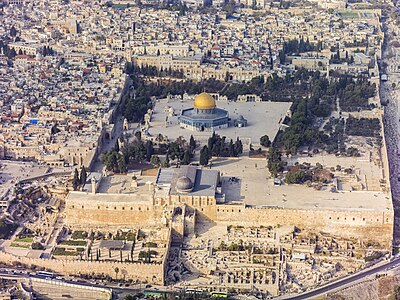
🕌Temple Mount / Al-Aqsa (Jerusalem)
Sacred to Judaism, Christianity, and Islam — the most contested holy site on Earth.
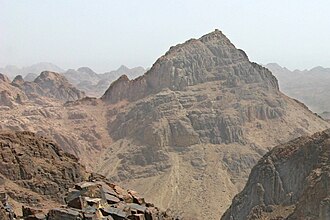
⛰️Mount Sinai (Jebel Musa)
Where Moses received the Ten Commandments from God.
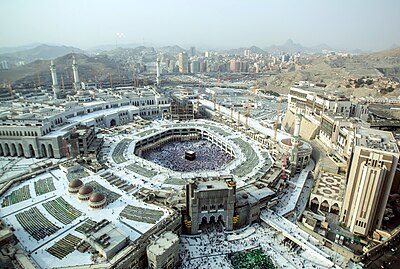
🕋Masjid al-Haram (Great Mosque of Mecca)
The holiest site in Islam, home of the Kaaba, and the destination for Hajj pilgrimage.
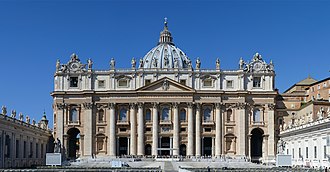
⛪Vatican City (St. Peter's Basilica)
The spiritual center of Roman Catholicism and home of the Pope.

