
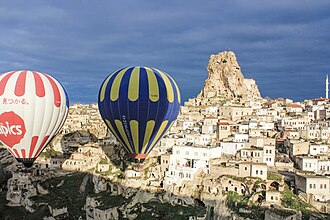
⛪ Cappadocia Cave Churches
Turkey
About This Sacred Site
The Göreme Valley and surrounding areas of Cappadocia contain hundreds of rock-cut churches, chapels, and monasteries carved into the region's distinctive volcanic 'fairy chimney' rock formations. Early Christians settled here from the 4th century onward, and the region became a major monastic center. The Göreme Open-Air Museum alone contains over 30 carved churches with vibrant frescoes dating from the 10th to 13th centuries. The underground cities of Derinkuyu and Kaymakli could shelter thousands of Christians during times of persecution.
History & Origins
Dating to around the 4th century CE, the cave churches of Cappadocia were carved into soft volcanic rock by early Christian communities seeking refuge from persecution. The Göreme Valley and surrounding areas contain hundreds of chapels and monasteries adorned with vivid frescoes depicting biblical scenes and saints. These rock-cut sanctuaries became centers of monastic life and theological study through Byzantine times. Despite later invasions and abandonment, many churches remain remarkably well-preserved, offering a unique glimpse into early Christian art and architecture.
Spiritual Significance
Dating from the 4th century CE, these rock-hewn churches within Göreme National Park represent a flourishing of early Christian monasticism under Byzantine influence, officially recognized as a UNESCO World Heritage Site since 1985. The Göreme Open-Air Museum contains over 30 churches, including the Dark Church (Karanlık Kilise), renowned for its well-preserved frescoes depicting biblical scenes such as the Last Supper and the Ascension, crucial to Orthodox iconographic traditions. Pilgrims and monks practiced asceticism here, following the Rule of St. Basil, emphasizing communal worship and continuous prayer. Annual liturgies in select cave churches commemorate saints and biblical events according to the Byzantine rite, sustaining ancient liturgical continuity. The architecture’s integration into volcanic tuff formations exemplifies early Christian adaptation to hostile environments, facilitating clandestine worship during periods of persecution.
Key Facts
- •UNESCO World Heritage Site since 1985 (Göreme National Park)
- •The Göreme Open-Air Museum contains over 30 rock-carved churches
- •The Dark Church (Karanlık Kilise) has some of the best-preserved frescoes in all of Cappadocia
- •Underground cities like Derinkuyu could shelter up to 20,000 people
- •Church Fathers like Basil the Great and Gregory of Nazianzus came from the Cappadocia region
Location
Coordinates: 38.6431, 34.8289
Frequently Asked Questions
What religion is Cappadocia Cave Churches associated with?▾
Cappadocia Cave Churches is a Christianity holy site located in Turkey. It was established c. 4th century CE and is ranked #92 in our global directory of sacred sites.
When was Cappadocia Cave Churches established?▾
Cappadocia Cave Churches dates back to c. 4th century CE. UNESCO World Heritage Site since 1985 (Göreme National Park)
How many people visit Cappadocia Cave Churches each year?▾
Cappadocia Cave Churches receives approximately 3.5 million visitors per year. The Göreme Open-Air Museum contains over 30 rock-carved churches
What is Cappadocia Cave Churches known for?▾
Hundreds of rock-hewn churches with vivid Byzantine frescoes carved into Cappadocia's fairy chimneys. Visitors come seeking spiritual enlightenment, meditation, peace, pilgrimage. The Dark Church (Karanlık Kilise) has some of the best-preserved frescoes in all of Cappadocia
Related Holy Sites
Sacred places connected by country, religion, and purpose
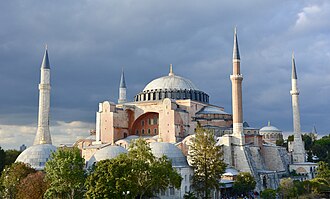
🏛️Hagia Sophia
A masterpiece that served as cathedral, mosque, and museum across centuries.
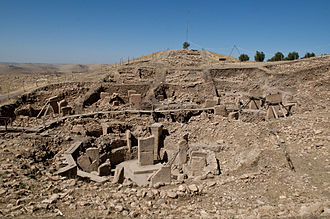
🏛️Göbekli Tepe
The world's oldest known temple, predating Stonehenge by 6,000 years.
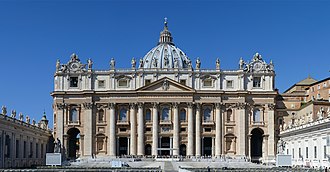
⛪Vatican City (St. Peter's Basilica)
The spiritual center of Roman Catholicism and home of the Pope.
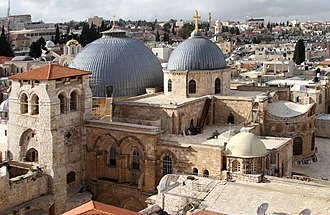
✝️Church of the Holy Sepulchre
The site where Jesus was crucified, buried, and resurrected.
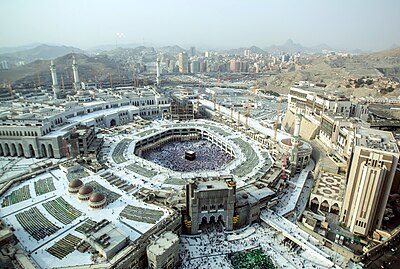
🕋Masjid al-Haram (Great Mosque of Mecca)
The holiest site in Islam, home of the Kaaba, and the destination for Hajj pilgrimage.
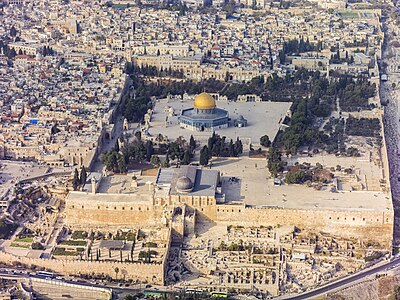
🕌Temple Mount / Al-Aqsa (Jerusalem)
Sacred to Judaism, Christianity, and Islam — the most contested holy site on Earth.

