
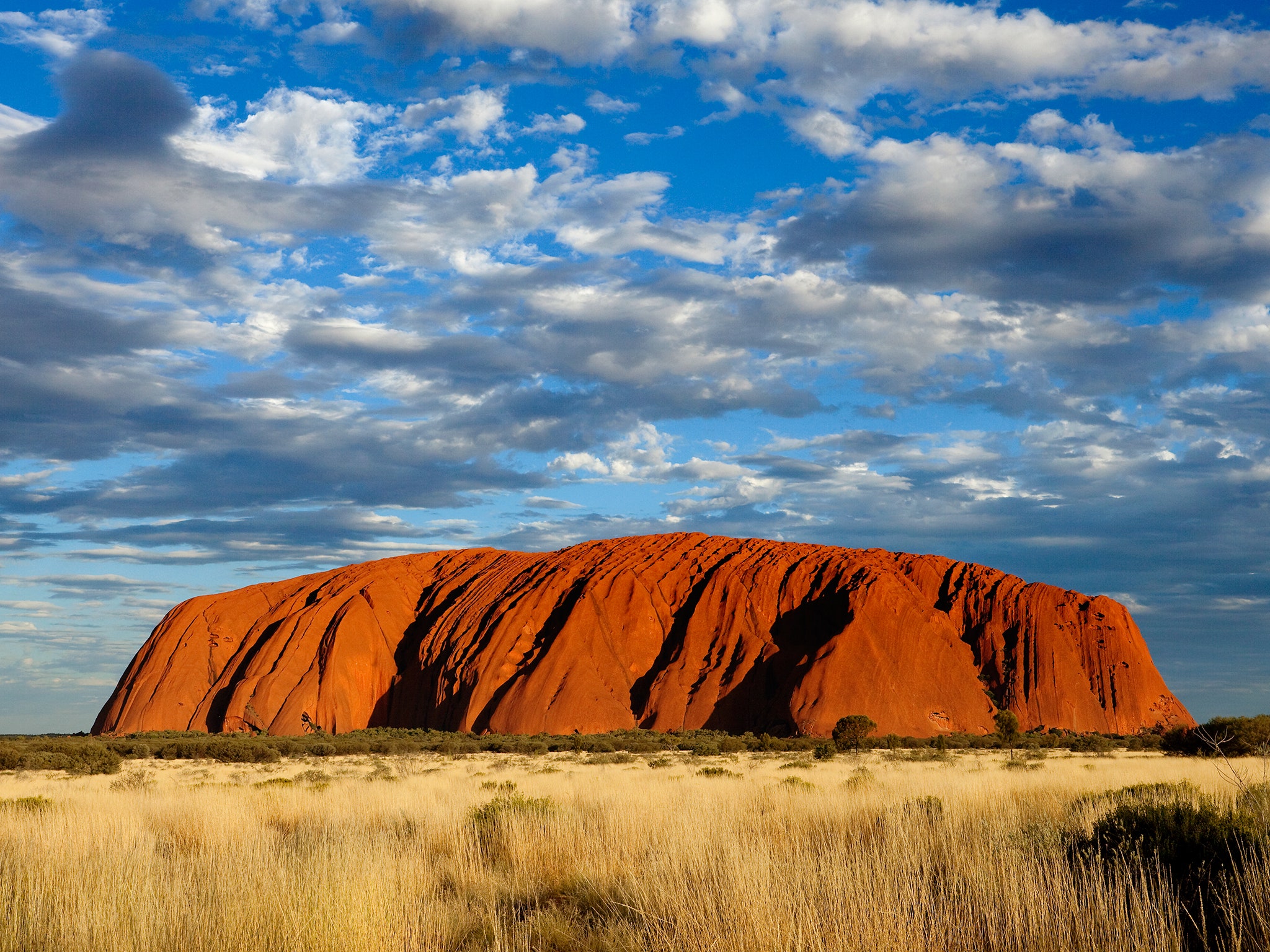
🪨 Uluru (Ayers Rock)
Australia
About This Sacred Site
Uluru, also known as Ayers Rock, is a massive sandstone monolith rising 348 meters above the flat red desert of Australia’s Northern Territory, with a circumference of 9.4 kilometers. Geologists estimate the formation is approximately 600 million years old, though most of the rock lies hidden beneath the surface. For the Anangu Aboriginal people, who have lived in this landscape for at least 30,000 years, Uluru is not merely a geological wonder but a living sacred being, central to Tjukurpa -- their law, religion, and creation narrative. The rock’s surface is marked with caves, overhangs, and water holes, many containing ancient rock art and ceremonial sites that remain culturally active today. Uluru’s iron-rich surface produces its famous color shifts: deep ochre at midday, blazing orange and red at sunset, and purple-grey under storm clouds.
History & Origins
Uluru’s significance predates written history by tens of thousands of years, making it one of the oldest continuously sacred sites on earth. For the Anangu people, the rock was shaped during Tjukurpa (the Dreaming), a period when ancestral beings traveled across the land creating its features. Different parts of Uluru relate to different ancestral stories: the Mala (rufous hare-wallaby people), the Kuniya (woma python), and the Liru (poisonous snake) among them. These are not mere legends but active law, governing social behavior, land management, and ceremony. European explorers first sighted the rock in 1872, and the name ‘Ayers Rock’ was assigned by surveyor William Gosse in 1873. The area became a national park in 1958, managed without Anangu input, and tourism brought chain-link fences and climbing routes directly over sacred paths. A landmark moment came in 1985 when the Australian government returned ownership to the Anangu under a leaseback agreement, and the site was granted dual UNESCO World Heritage status for both natural and cultural values. After decades of Anangu requests, climbing was permanently banned in October 2019 -- a decision supported by the majority of visitors and widely recognized as an act of cultural respect.
Spiritual Significance
Uluru is inseparable from Tjukurpa, the Anangu system of law, knowledge, and spiritual practice that encompasses everything from ecological knowledge to moral codes and ceremonial life. The rock is not ‘symbolic’ of something sacred -- it is itself sacred, every crevice, waterhole, and cave carrying the physical marks of ancestral beings whose actions during the Dreaming continue to shape the present. Certain areas of Uluru are gender-restricted or entirely off-limits to outsiders, and the Anangu ask visitors not to photograph specific sacred sites, clearly marked with signage. Unlike many world religions that center worship in a built structure, the spirituality of Uluru is embedded in the land itself. The Anangu see themselves not as owners of the land but as its custodians, bound by Tjukurpa to care for it. Visiting Uluru respectfully means understanding that you are entering one of the world’s oldest continuous spiritual traditions -- a tradition that does not seek converts but asks for recognition and respect. The experience of standing before Uluru at dawn, watching the light slowly transform its surface, is often described by visitors of all backgrounds as profoundly moving and difficult to put into words.
Key Facts
- •Stands 348 meters high and has a circumference of 9.4 km
- •Estimated to be about 600 million years old
- •Sacred to the Anangu people for at least 30,000 years
- •Climbing was officially banned in October 2019
- •The rock changes color at sunrise and sunset due to its iron content
Visitor Guide
Uluru is located within Uluru-Kata Tjuta National Park, about 450 kilometers southwest of Alice Springs. Most visitors fly into Ayers Rock Airport (Connellan), which receives direct flights from major Australian cities. Park entry costs AUD 38 per adult (valid for three days). The base walk around Uluru is 10.6 kilometers on flat ground and takes three to four hours; it is the best way to appreciate the rock’s scale and see rock art, waterholes, and caves up close. Ranger-guided Mala Walk tours explain Anangu cultural stories. Climbing Uluru has been permanently banned since October 2019; please respect this. Photography is prohibited at several marked sacred sites, and the Anangu ask that you do not photograph these areas even from a distance. Sunrise and sunset viewing areas with parking are well sign-posted. The nearby Kata Tjuta (the Olgas) formation, 25 kilometers west, is equally spectacular and should not be missed -- the Valley of the Winds walk is outstanding. Temperatures can exceed 45 degrees Celsius in summer (December to February); the cooler months of May through September are more comfortable for walking. Carry plenty of water regardless of season.
Location
Coordinates: -25.3444, 131.0369
Frequently Asked Questions
What religion is Uluru (Ayers Rock) associated with?▾
Uluru (Ayers Rock) is a Indigenous holy site located in Australia. It was established 30,000+ years ago (Aboriginal sacred site) and is ranked #31 in our global directory of sacred sites.
When was Uluru (Ayers Rock) established?▾
Uluru (Ayers Rock) dates back to 30,000+ years ago (Aboriginal sacred site). Stands 348 meters high and has a circumference of 9.4 km
How many people visit Uluru (Ayers Rock) each year?▾
Uluru (Ayers Rock) receives approximately 400,000 visitors per year. Estimated to be about 600 million years old
What is Uluru (Ayers Rock) known for?▾
A sacred monolith central to Aboriginal Australian creation stories. Visitors come seeking ancestral connection, spiritual enlightenment, healing, peace. Sacred to the Anangu people for at least 30,000 years
Related Holy Sites
Sacred places connected by country, religion, and purpose
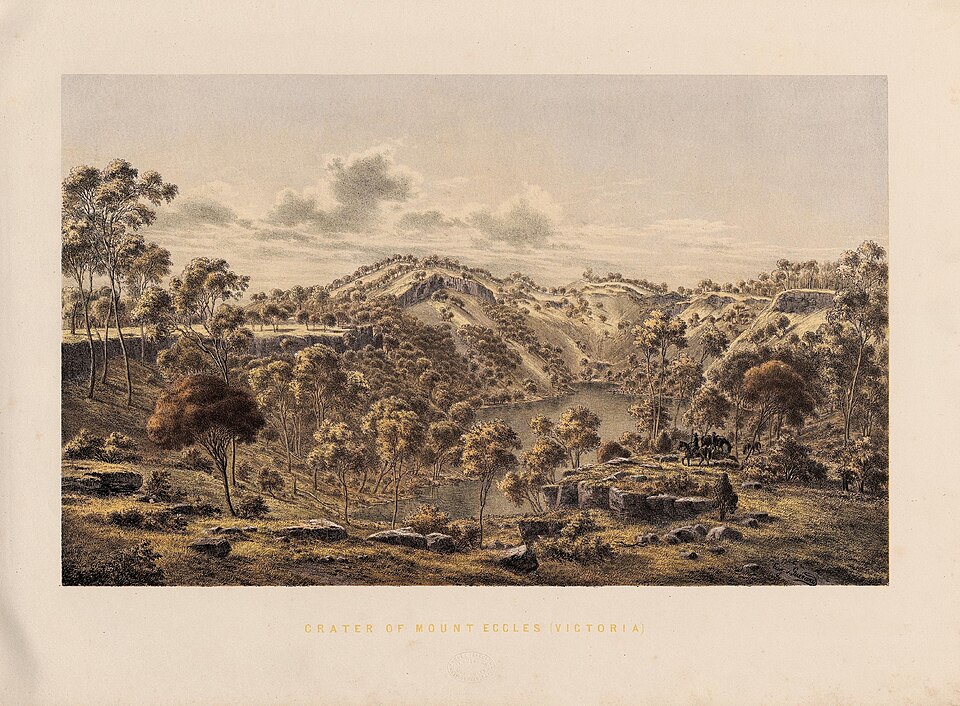
🌋Budj Bim Cultural Landscape
A 6,600-year-old Aboriginal aquaculture system, older than the Egyptian pyramids.
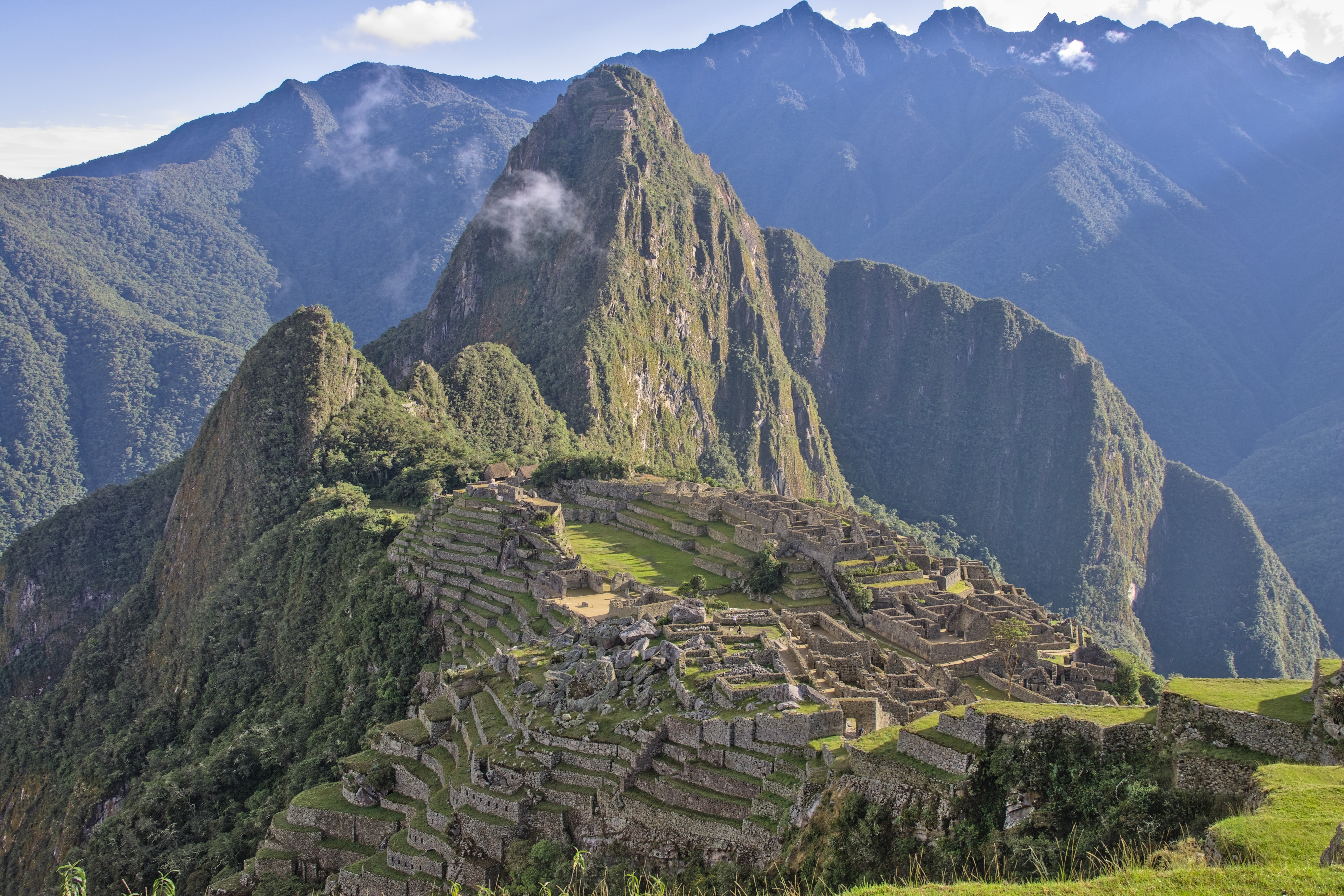
🏔️Machu Picchu
A sacred Inca citadel set high in the Andes, aligned with astronomical events.

🕌Temple Mount / Al-Aqsa (Jerusalem)
Sacred to Judaism, Christianity, and Islam — the most contested holy site on Earth.
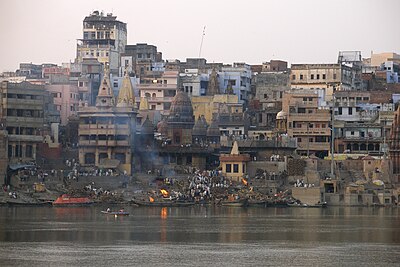
🙏Varanasi (Kashi Vishwanath Temple)
The holiest city in Hinduism, where the Ganges River purifies the soul.

