
🌋 Budj Bim Cultural Landscape
Australia
About This Sacred Site
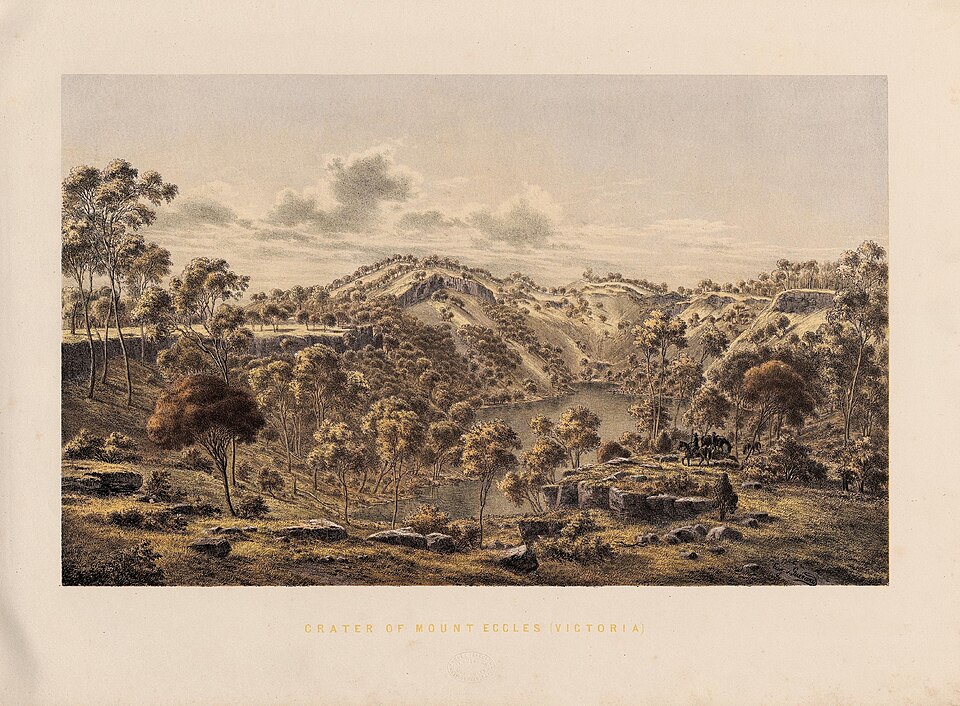
The Budj Bim Cultural Landscape in southwestern Victoria is the site of one of the world's oldest and most extensive aquaculture systems, created by the Gunditjmara people over 6,600 years ago — predating the Egyptian pyramids by over a millennium. The Gunditjmara engineered an elaborate network of channels, weirs, and stone traps in the lava flows of the dormant Budj Bim volcano to farm kooyang (short-finned eel). This system supported a permanent, settled community — challenging the long-held misconception that all Aboriginal Australians were nomadic. Budj Bim (meaning 'high head') is a creator being in Gunditjmara tradition whose teeth formed the lava flows that made the aquaculture possible.
Spiritual Significance
The Budj Bim Cultural Landscape is spiritually significant to the Gunditjmara people, whose ancestral connection dates back over 6,600 years, evidenced by the extensive aquaculture system designed to trap eels. This system represents a living covenant with the land and waterways, celebrated in ceremonies that honor ancestral engineers and the creator spirit Budj Bim, a volcano whose eruption shaped the landscape. Annual gatherings involve ritual eel harvesting, dances, and the passing of ecological knowledge through songlines, reinforcing stewardship responsibilities. The site’s inscription as a UNESCO World Heritage Site in 2019 underscores its unique theological importance as the first Australian site recognized solely for Aboriginal cultural values, highlighting a spiritual tradition that integrates sustainable food practices with cosmological beliefs. Clan leaders serve as custodians, guiding pilgrims in respecting sacred laws tied to water and eel cycles.
Key Facts
- •The aquaculture system is over 6,600 years old — older than the Egyptian pyramids
- •UNESCO World Heritage Site since 2019 — the first Australian site listed solely for Aboriginal cultural values
- •The Gunditjmara engineered channels, weirs, and traps to farm eels on an industrial scale
- •Challenges the misconception that all Aboriginal Australians were nomadic hunter-gatherers
- •Budj Bim is a creator being in Gunditjmara tradition whose teeth became the lava landscape
Location
Coordinates: -38.0667, 141.8167
Frequently Asked Questions
What religion is Budj Bim Cultural Landscape associated with?▾
Budj Bim Cultural Landscape is a Indigenous holy site located in Australia. It was established c. 4600 BCE and is ranked #64 in our global directory of sacred sites.
When was Budj Bim Cultural Landscape established?▾
Budj Bim Cultural Landscape dates back to c. 4600 BCE. The aquaculture system is over 6,600 years old — older than the Egyptian pyramids
How many people visit Budj Bim Cultural Landscape each year?▾
Budj Bim Cultural Landscape receives approximately 30,000 visitors per year. UNESCO World Heritage Site since 2019 — the first Australian site listed solely for Aboriginal cultural values
What is Budj Bim Cultural Landscape known for?▾
A 6,600-year-old Aboriginal aquaculture system, older than the Egyptian pyramids. Visitors come seeking ancestral connection, prosperity, guidance, spiritual enlightenment. The Gunditjmara engineered channels, weirs, and traps to farm eels on an industrial scale
Related Holy Sites
Sacred places connected by country, religion, and purpose
🪨Uluru (Ayers Rock)
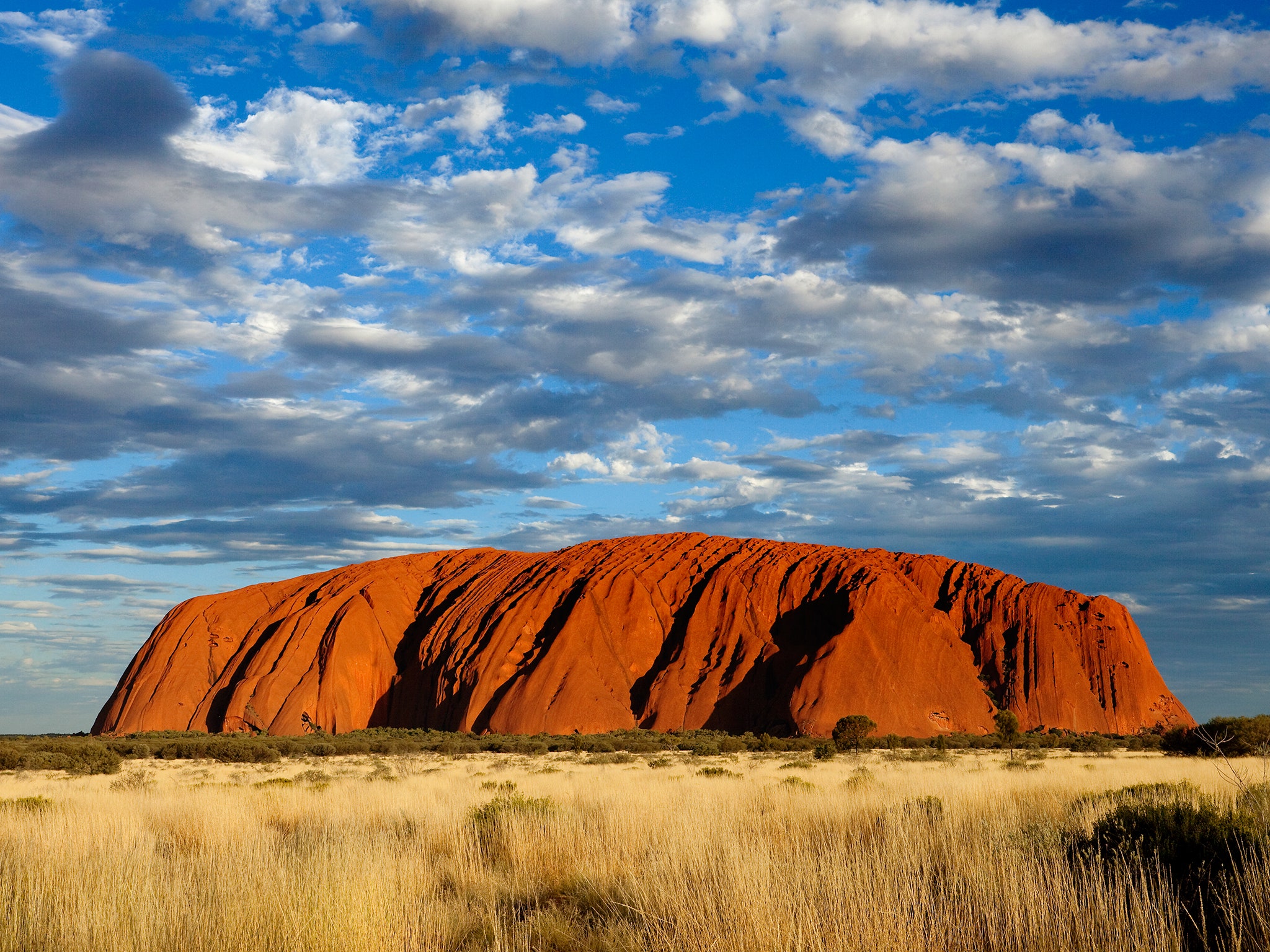
A sacred monolith central to Aboriginal Australian creation stories.
🏔️Machu Picchu
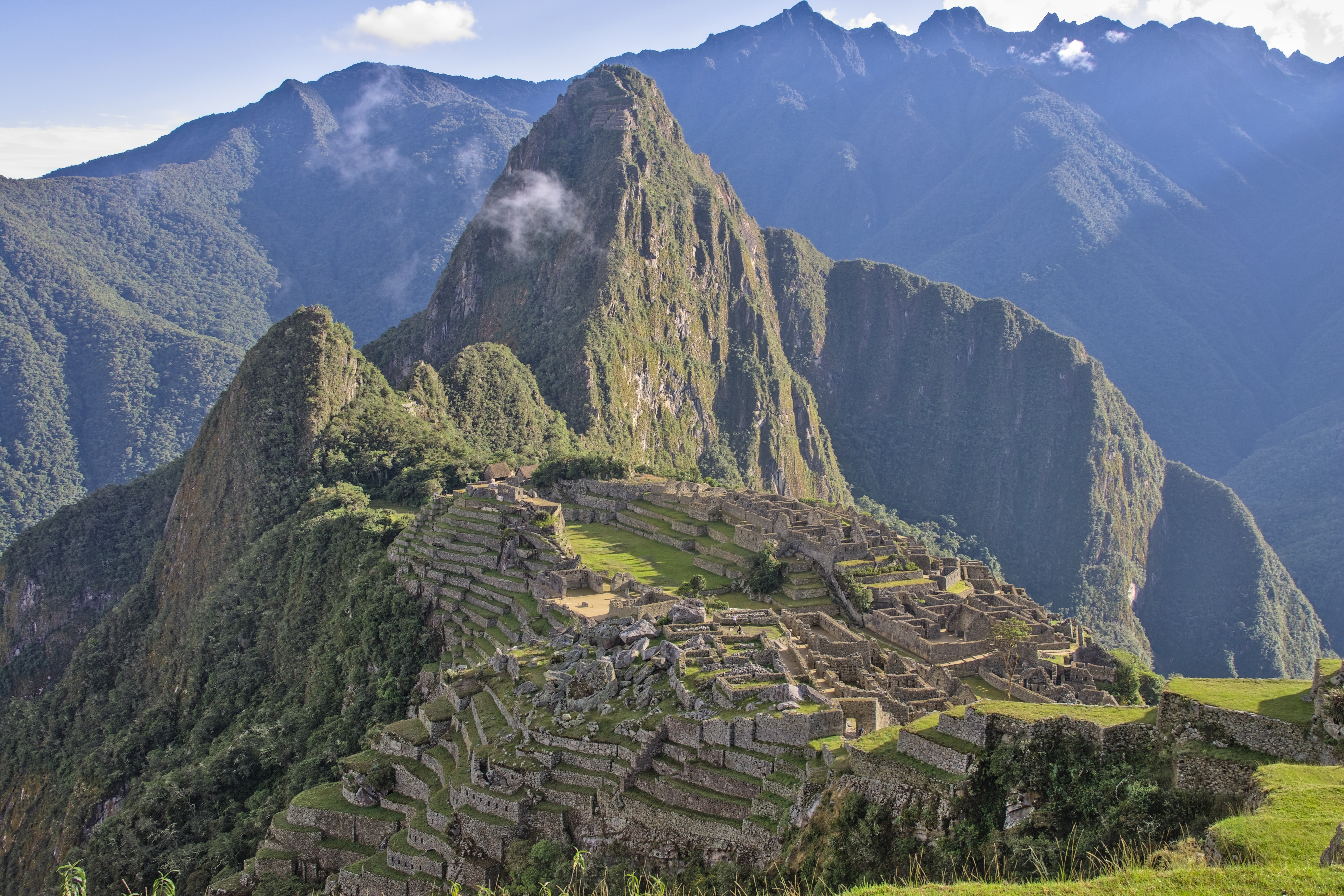
A sacred Inca citadel set high in the Andes, aligned with astronomical events.
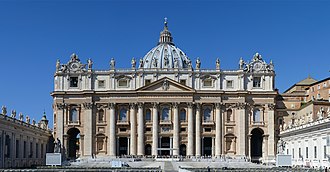
⛪Vatican City (St. Peter's Basilica)
The spiritual center of Roman Catholicism and home of the Pope.
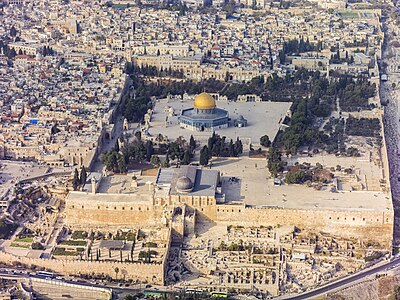
🕌Temple Mount / Al-Aqsa (Jerusalem)
Sacred to Judaism, Christianity, and Islam — the most contested holy site on Earth.

