
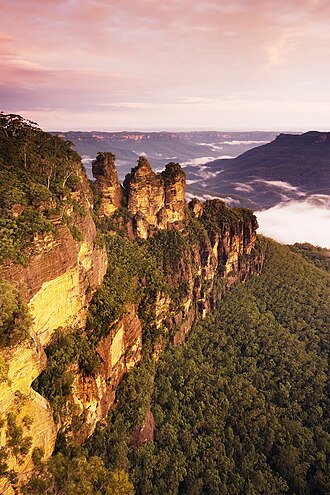
🏔️ Blue Mountains Sacred Sites (Three Sisters)
Australia
About This Sacred Site
The Three Sisters, towering sandstone pillars in the Blue Mountains west of Sydney, are among Australia's most recognizable natural landmarks and hold deep spiritual significance for the Gundungurra and Darug peoples. In the Dreaming story, three sisters — Meehni, Wimlah, and Gunnedoo — were turned to stone by their father, an elder, to protect them from a dangerous creature. The father died before he could reverse the spell, leaving them frozen forever. The broader Blue Mountains region contains numerous Aboriginal sacred sites, songlines, and ceremonial grounds throughout its one million hectares of eucalyptus forest. The characteristic blue haze that gives the mountains their name comes from volatile oils released by the eucalyptus trees.
History & Origins
The Three Sisters rock formation, with peaks Meehni at 922 meters, Wimlah at 918 meters, and Gunnedoo at 906 meters, has stood for millions of years as part of the Blue Mountains escarpment. This natural landmark has been a sacred site for the Gundungurra and Darug peoples for thousands of years, featuring in their oral histories and spiritual lore. The Blue Mountains were declared a UNESCO World Heritage Area in 2000, recognizing both natural and cultural values. European exploration began in the early 19th century, but indigenous custodianship of the site continues through land rights and cooperative management agreements. The area surrounding the Three Sisters has been protected from extensive development to preserve its geological and cultural integrity.
Spiritual Significance
The Three Sisters are central to Gundungurra and Darug creation stories, representing three sisters transformed to stone by a powerful ancestral spirit to protect them from harm. Rituals performed near the formation include smoking ceremonies to cleanse visitors and honor the land’s spiritual guardians. Seasonal festivals involve storytelling and song cycles recounting the sisters’ tale, reinforcing kinship ties and ecological stewardship. Pilgrims often undertake guided walks led by traditional custodians to learn about the Dreaming narratives and sacred sites in the region. The Blue Mountains World Heritage listing reflects recognition of the ongoing theological importance of the rock formation as a symbol of protection, family, and the enduring relationship between people and country.
Key Facts
- •The Three Sisters represent Meehni (922m), Wimlah (918m), and Gunnedoo (906m)
- •Sacred to the Gundungurra and Darug peoples for thousands of years
- •The Blue Mountains World Heritage Area covers over one million hectares
- •UNESCO World Heritage Site since 2000, recognizing its natural and cultural values
- •The blue haze is caused by eucalyptus oil droplets dispersing sunlight
Location
Coordinates: -33.7322, 150.3125
Frequently Asked Questions
What religion is Blue Mountains Sacred Sites (Three Sisters) associated with?▾
Blue Mountains Sacred Sites (Three Sisters) is a Indigenous holy site located in Australia. It was established Ancient (natural formation; sacred for millennia) and is ranked #317 in our global directory of sacred sites.
When was Blue Mountains Sacred Sites (Three Sisters) established?▾
Blue Mountains Sacred Sites (Three Sisters) dates back to Ancient (natural formation; sacred for millennia). The Three Sisters represent Meehni (922m), Wimlah (918m), and Gunnedoo (906m)
How many people visit Blue Mountains Sacred Sites (Three Sisters) each year?▾
Blue Mountains Sacred Sites (Three Sisters) receives approximately 3+ million visitors per year. Sacred to the Gundungurra and Darug peoples for thousands of years
What is Blue Mountains Sacred Sites (Three Sisters) known for?▾
Iconic rock formation in the Blue Mountains with deep Gundungurra and Darug Dreaming significance. Visitors come seeking ancestral connection, spiritual enlightenment, protection, peace. The Blue Mountains World Heritage Area covers over one million hectares
Related Holy Sites
Sacred places connected by country, religion, and purpose
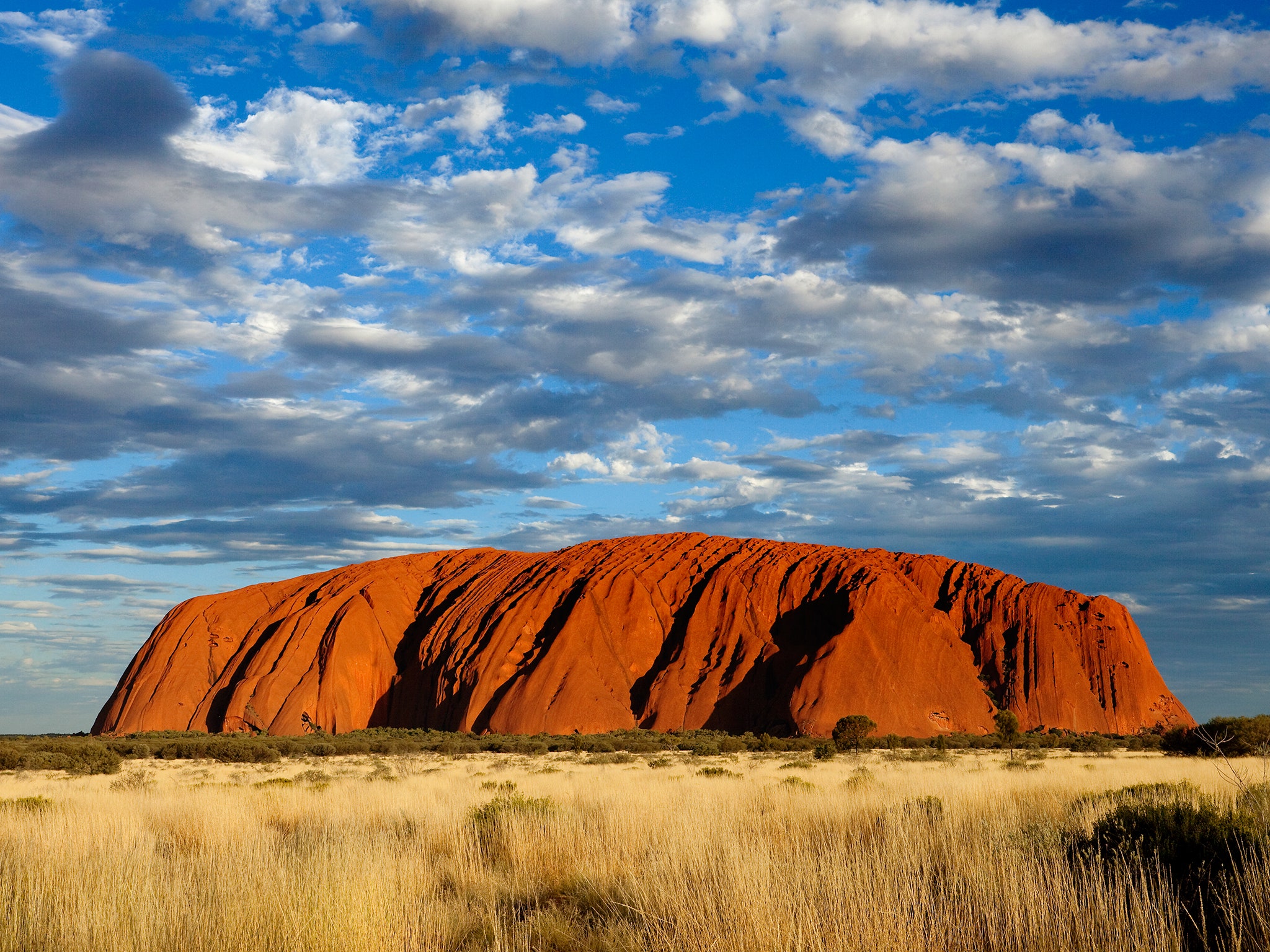
🪨Uluru (Ayers Rock)
A sacred monolith central to Aboriginal Australian creation stories.
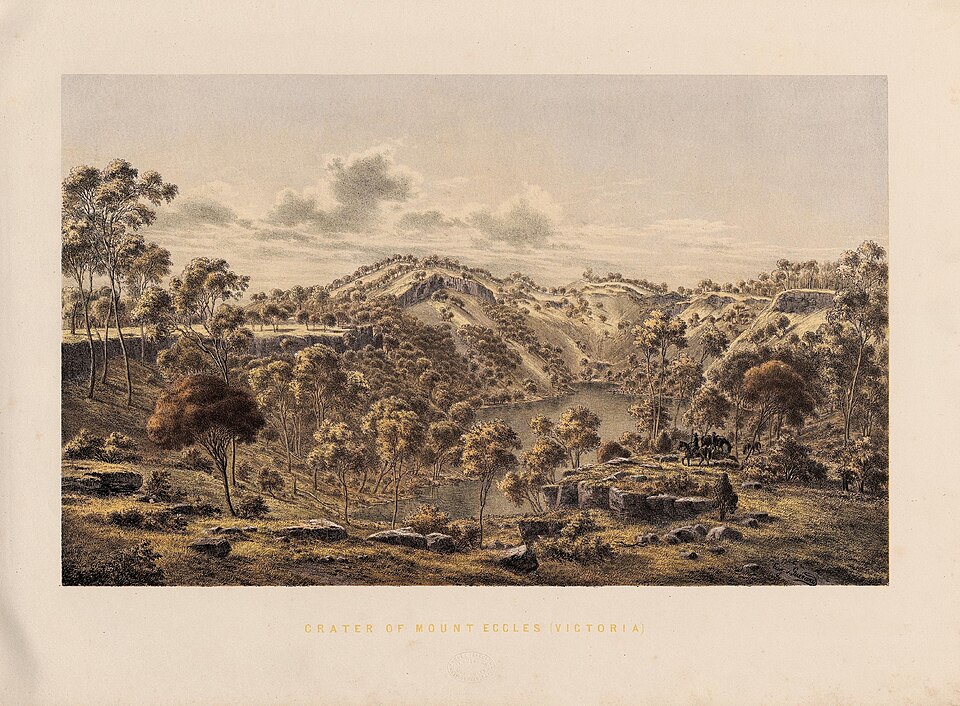
🌋Budj Bim Cultural Landscape
A 6,600-year-old Aboriginal aquaculture system, older than the Egyptian pyramids.
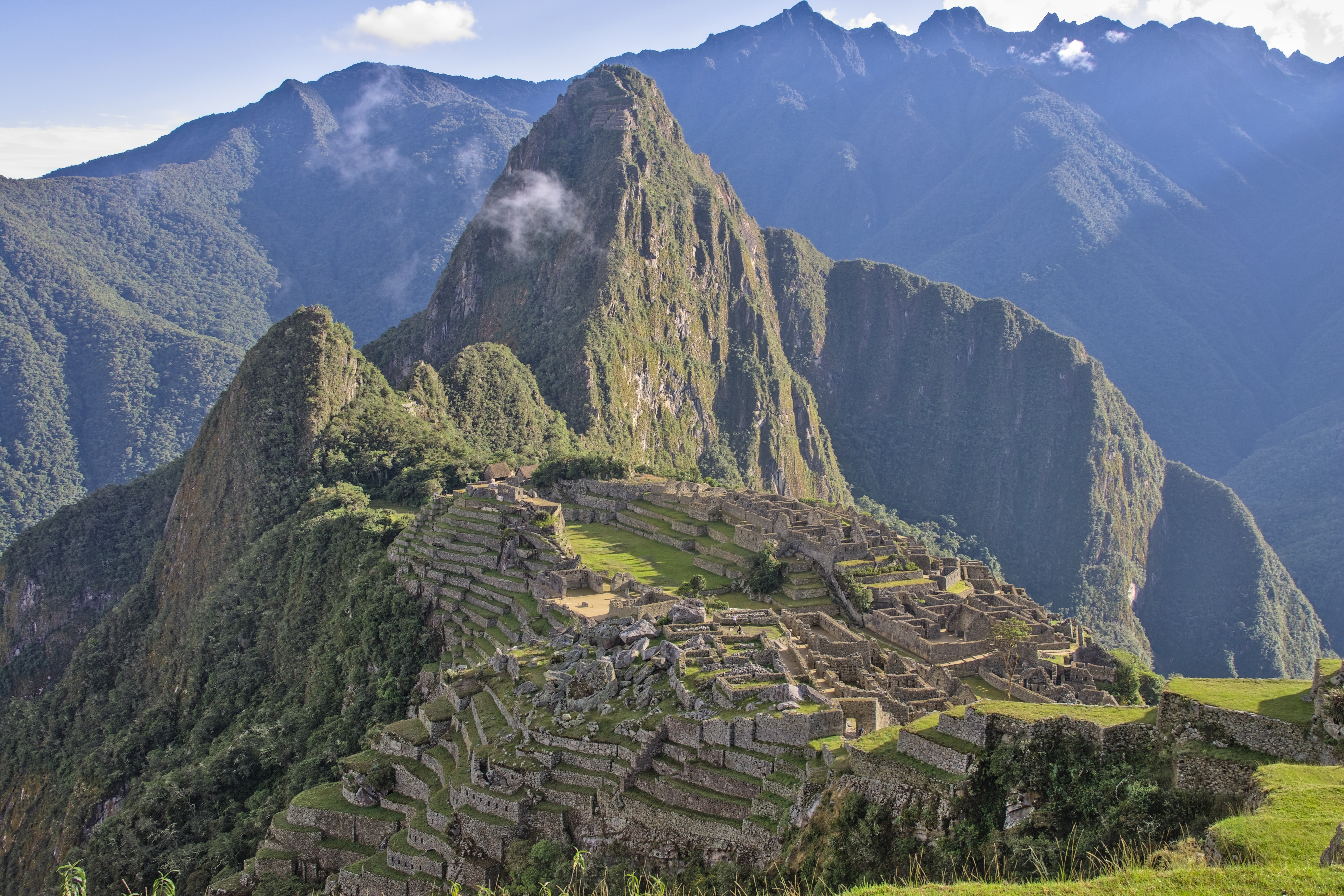
🏔️Machu Picchu
A sacred Inca citadel set high in the Andes, aligned with astronomical events.
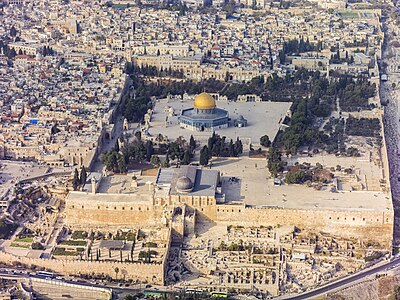
🕌Temple Mount / Al-Aqsa (Jerusalem)
Sacred to Judaism, Christianity, and Islam — the most contested holy site on Earth.
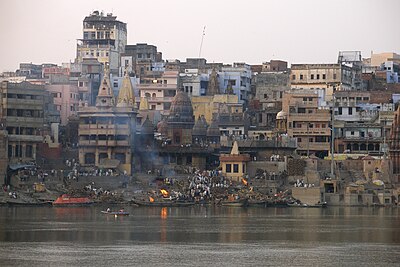
🙏Varanasi (Kashi Vishwanath Temple)
The holiest city in Hinduism, where the Ganges River purifies the soul.

