
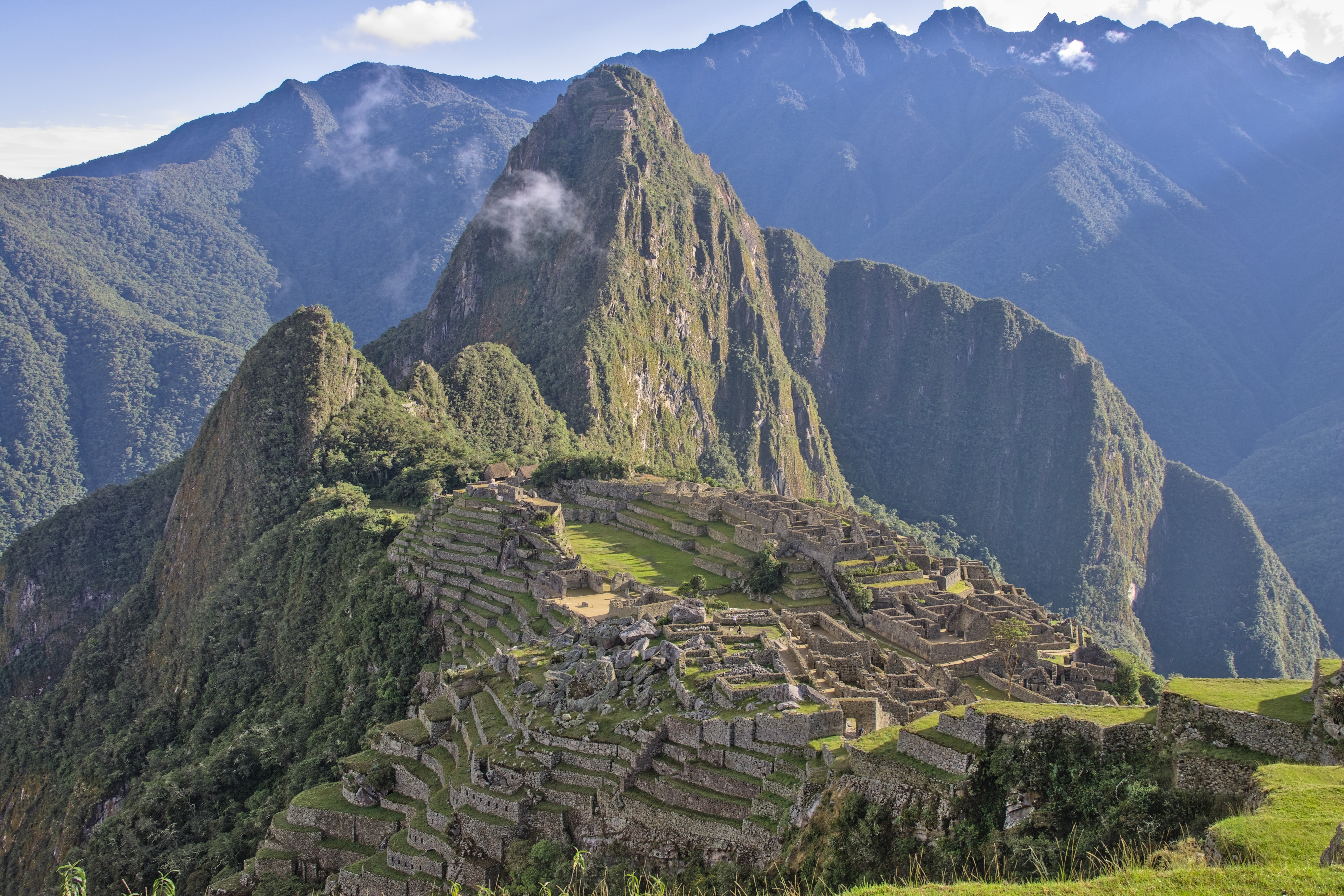
🏔️ Machu Picchu
Peru
About This Sacred Site
Machu Picchu is a 15th-century Inca citadel situated at 2,430 meters in Peru’s Andes Mountains. Often called the "Lost City of the Incas," it features sophisticated dry-stone construction, terraced fields, temples, and plazas, all arranged with remarkable precision and harmony with the surrounding landscape. Believed to have been a royal estate or sacred religious site, Machu Picchu became internationally known after its 1911 rediscovery by Hiram Bingham. It remains a UNESCO World Heritage Site and a powerful symbol of indigenous engineering and spirituality.
Spiritual Significance
Constructed around 1450 CE by the Inca emperor Pachacuti, Machu Picchu served as a royal estate and a religious site, embodying the Inca cosmology and reverence for natural phenomena. The Intihuatana stone, positioned at the site’s highest point, was used as an astronomical clock or calendar to mark solstices and equinoxes, emphasizing Inca beliefs in the sun god Inti. The site was abandoned roughly 100 years later during the Spanish conquest, preserving its religious structures from destruction. Pilgrims and priests conducted rituals here, including offerings to Pachamama (Earth Mother) and Inti, as described in the Huarochirí Manuscript. Machu Picchu’s terraces and temples align with celestial events, reflecting its role in Inca spiritual life. Modern-day visitors often participate in traditional Andean ceremonies led by local shamans, continuing indigenous ritual practices that honor the site’s sacred geography.
Key Facts
- •Built around 1450 CE and abandoned roughly 100 years later during the Spanish conquest
- •Rediscovered by American explorer Hiram Bingham in 1911
- •The Intihuatana stone precisely indicates the two equinoxes
- •Built without mortar — the stones fit together so precisely a knife blade cannot fit between them
- •Named both a UNESCO World Heritage Site (1983) and one of the New Seven Wonders (2007)
Location
Coordinates: -13.1631, -72.5450
Frequently Asked Questions
What religion is Machu Picchu associated with?▾
Machu Picchu is a Indigenous holy site located in Peru. It was established c. 1450 CE and is ranked #42 in our global directory of sacred sites.
When was Machu Picchu established?▾
Machu Picchu dates back to c. 1450 CE. Built around 1450 CE and abandoned roughly 100 years later during the Spanish conquest
How many people visit Machu Picchu each year?▾
Machu Picchu receives approximately 1.5 million visitors per year. Rediscovered by American explorer Hiram Bingham in 1911
What is Machu Picchu known for?▾
A sacred Inca citadel set high in the Andes, aligned with astronomical events. Visitors come seeking ancestral connection, spiritual enlightenment, peace, meditation. The Intihuatana stone precisely indicates the two equinoxes
Related Holy Sites
Sacred places connected by country, religion, and purpose
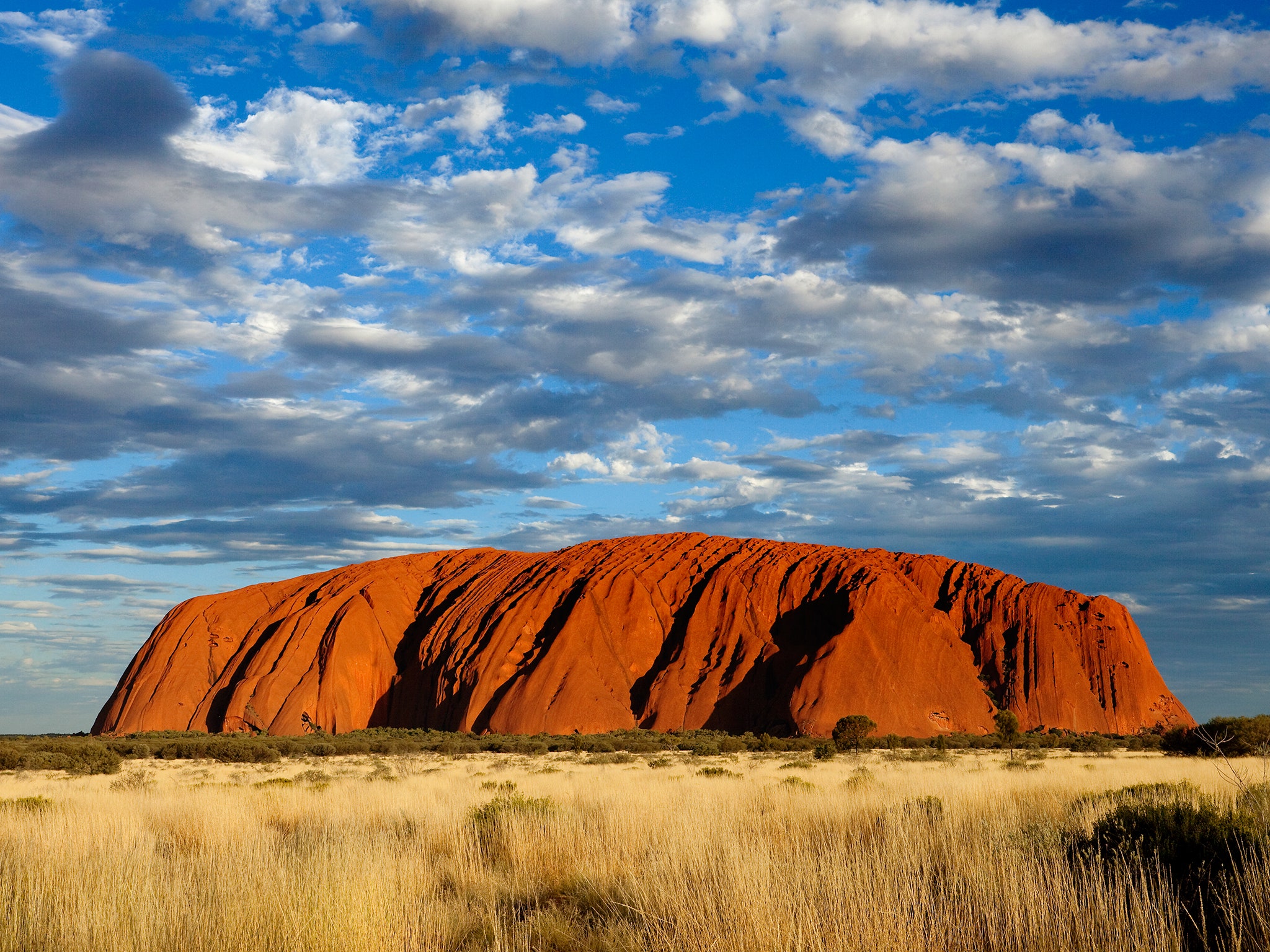
🪨Uluru (Ayers Rock)
A sacred monolith central to Aboriginal Australian creation stories.

🕌Temple Mount / Al-Aqsa (Jerusalem)
Sacred to Judaism, Christianity, and Islam — the most contested holy site on Earth.
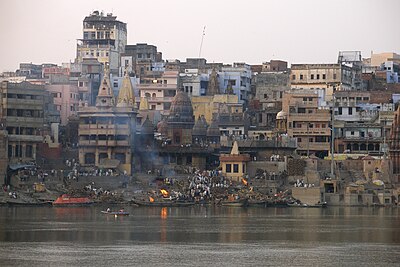
🙏Varanasi (Kashi Vishwanath Temple)
The holiest city in Hinduism, where the Ganges River purifies the soul.

