☸️ Tongdosa Temple
South Korea
About This Sacred Site
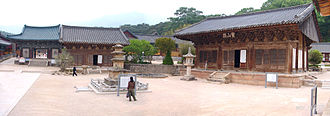
Founded in 646 CE by the monk Jajang during the Silla dynasty, this temple is located on the slopes of Mount Chiseosan in South Korea and is part of the UNESCO-listed Sansa Buddhist Mountain Monasteries since 2018. Architecturally, it is distinguished by its three main halls—Daeungjeon, Geungnakjeon, and Nahanjeon—constructed primarily from wood with traditional tiled roofs and intricate dancheong (multicolored paintwork). Unlike typical Buddhist temples, the main hall contains no Buddha statue but enshrines relics purportedly brought by Jajang from China, including a bone fragment, a robe, and an alms bowl, making it a unique site of worship. The temple grounds cover an extensive area and include several stone pagodas and bell pavilions, reflecting the architectural styles of the 7th century with later renovations. The temple’s layout facilitates pilgrimage circuits, allowing visitors to circumambulate the relic halls and participate in ritual offerings and prayers.
History & Origins
Tongdosa was established in 646 CE by the monk Jajang during the Silla Kingdom to house sacred relics brought from India, making it one of Korea’s most revered temples. The temple’s unique focus on relic worship distinguishes it from other Buddhist sites where statues are central. Over centuries, Tongdosa expanded with new halls and pagodas, surviving multiple invasions and conflicts. It has been a hub for meditation and Buddhist scholarship. Renovations in the 20th century have preserved its architectural integrity, allowing it to remain a vibrant spiritual center and cultural heritage site.
Spiritual Significance
Established as a major center of Korean Buddhism in 646 CE, this temple’s spiritual significance lies in its enshrinement of relics brought by the revered monk Jajang from Tang China, which are believed to embody the physical presence of the historical Buddha. The absence of a Buddha statue in the main hall shifts devotional focus directly to these relics, facilitating veneration practices distinct from icon worship, as prescribed in the Sarvastivada and Mahayana traditions. Pilgrims engage in prostrations and ritual circumambulation of the relic shrines, reflecting doctrinal emphasis on relic worship to accumulate merit and deepen faith. The temple hosts the annual Yeondeunghoe Lantern Festival, during which lanterns are lit to symbolize the illumination of wisdom, aligning with scriptural injunctions found in the Lotus Sutra. Monastic teachings emphasize the integration of meditation with devotional rituals centered on the relics, viewed as conduits for spiritual transmission. Historically, the temple has served as a pivotal site for the Jogye Order, fostering doctrinal study and meditative practice rooted in the Seon (Zen) tradition. The presence of relics also underscores the temple’s role in preserving the physical heritage of Buddhism, attracting pilgrims seeking direct connection to the Buddha’s legacy.
Key Facts
- •Part of the UNESCO 'Sansa' Buddhist Mountain Monasteries since 2018
- •The main hall has no Buddha statue; it enshrines actual Buddha relics
- •Monk Jajang brought the relics from Tang China in 646 CE
- •Represents the Buddha among Korea's three jewel temples
- •Contains 35 buildings and 14 hermitages in a forested valley
Location
Coordinates: 35.4872, 129.0622
Frequently Asked Questions
What religion is Tongdosa Temple associated with?▾
Tongdosa Temple is a Buddhism holy site located in South Korea. It was established 646 CE and is ranked #181 in our global directory of sacred sites.
When was Tongdosa Temple established?▾
Tongdosa Temple dates back to 646 CE. Part of the UNESCO 'Sansa' Buddhist Mountain Monasteries since 2018
How many people visit Tongdosa Temple each year?▾
Tongdosa Temple receives approximately 1+ million visitors per year. The main hall has no Buddha statue; it enshrines actual Buddha relics
What is Tongdosa Temple known for?▾
Korea's 'Temple Without a Buddha,' which enshrines relics of the historical Buddha instead of statues. Visitors come seeking pilgrimage, spiritual enlightenment, meditation, peace. Monk Jajang brought the relics from Tang China in 646 CE
Related Holy Sites
Sacred places connected by country, religion, and purpose
☸️Bulguksa Temple
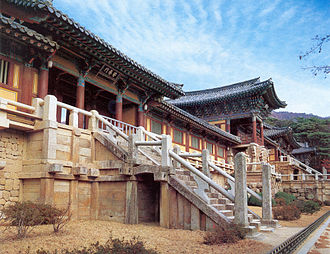
Korea's most celebrated Buddhist temple, a UNESCO masterpiece of Silla-dynasty architecture.
🏛️Jongmyo Shrine (Seoul)
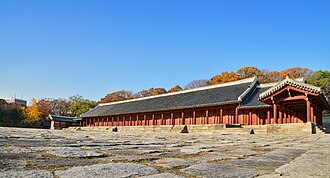
A UNESCO-listed Confucian royal ancestral shrine, the oldest and most authentic of its kind in the world.
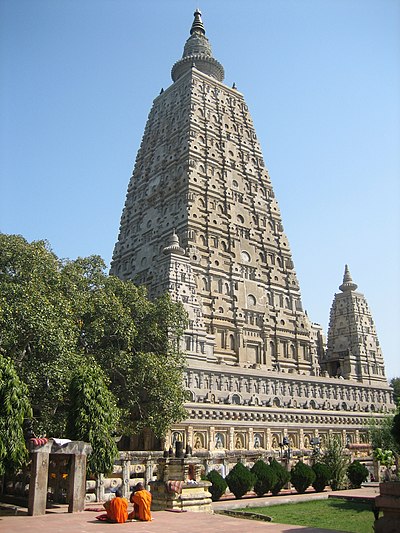
☸️Bodh Gaya (Mahabodhi Temple)
Where Siddhartha Gautama attained enlightenment and became the Buddha.
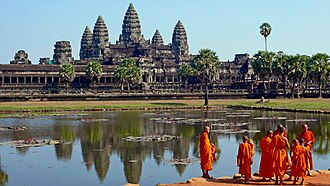
🛕Angkor Wat
The largest religious monument in the world, originally Hindu then Buddhist.