
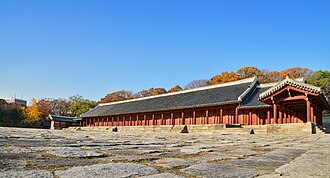
🏛️ Jongmyo Shrine (Seoul)
South Korea
About This Sacred Site
Jongmyo Shrine in Seoul is the oldest and most authentic Confucian royal ancestral shrine in the world and a UNESCO World Heritage Site. Built in 1394, the shrine houses the memorial tablets of the kings and queens of the Joseon dynasty (1392–1910). The Jongmyo Jerye ritual, performed annually in May, is the most complete surviving example of a Confucian royal ancestral rite, accompanied by Jongmyo Jeryeak music and dance — a UNESCO Intangible Cultural Heritage. The shrine's austere, elegant architecture embodies Confucian principles of simplicity and respect.
Spiritual Significance
Established in 1394 during the early Joseon dynasty under King Taejo, the shrine serves as a sacred site for ancestral rites dedicated to deceased kings and queens of the dynasty. The Jongmyo Jerye ritual, performed annually on the first Sunday of May, reenacts royal Confucian ceremonies with precise choreography involving court musicians and dancers, following guidelines from the 'Jongmyo Jerye Aak,' the ritual music score preserved since the 15th century. The memorial tablets housed within wooden shrines represent the spiritual presence of past monarchs, making the site a focal point for Confucian filial piety and state Confucianism. Pilgrims and officials participate in offerings of rice, wine, and incense, emphasizing Confucian doctrines of respect and harmony, as outlined in the writings of Confucius and Mencius, which were foundational to Joseon's governance. The site's layout follows Confucian geomantic principles, aligning structures along a north-south axis to symbolize cosmic order. Recognized by UNESCO in 1995 for its cultural and spiritual heritage, the shrine maintains its original wooden architecture and spatial design, reflecting Joseon-era aesthetics and Confucian values. The annual festival includes the performance of 'Munmyo Ilmu,' a civil dance that complements the ritual's solemnity and honors scholarly virtue. Visitors often engage in quiet contemplation within the serene walled compound, which covers approximately 130,000 square meters in central Seoul, underscoring its role as a living center of Confucian worship and Korean royal tradition.
Key Facts
- •UNESCO World Heritage Site since 1995
- •Built in 1394, the oldest Confucian royal shrine of its kind
- •Houses memorial tablets of Joseon dynasty kings and queens
- •The Jongmyo Jerye ritual is a UNESCO Intangible Cultural Heritage
- •The accompanying ceremonial music and dance date back over 500 years
Location
Coordinates: 37.5744, 126.9942
Frequently Asked Questions
What religion is Jongmyo Shrine (Seoul) associated with?▾
Jongmyo Shrine (Seoul) is a Multi-faith holy site located in South Korea. It was established 1394 and is ranked #137 in our global directory of sacred sites.
When was Jongmyo Shrine (Seoul) established?▾
Jongmyo Shrine (Seoul) dates back to 1394. UNESCO World Heritage Site since 1995
How many people visit Jongmyo Shrine (Seoul) each year?▾
Jongmyo Shrine (Seoul) receives approximately 1+ million visitors per year. Built in 1394, the oldest Confucian royal shrine of its kind
What is Jongmyo Shrine (Seoul) known for?▾
A UNESCO-listed Confucian royal ancestral shrine, the oldest and most authentic of its kind in the world. Visitors come seeking ancestral connection, guidance, peace, blessings. Houses memorial tablets of Joseon dynasty kings and queens
Related Holy Sites
Sacred places connected by country, religion, and purpose
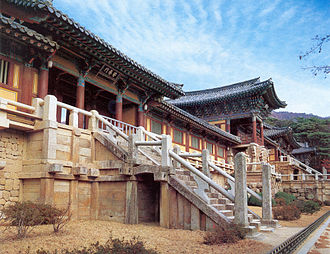
☸️Bulguksa Temple
Korea's most celebrated Buddhist temple, a UNESCO masterpiece of Silla-dynasty architecture.
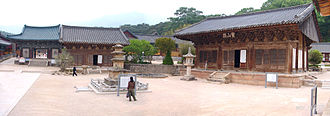
☸️Tongdosa Temple
Korea's 'Temple Without a Buddha,' which enshrines relics of the historical Buddha instead of statues.
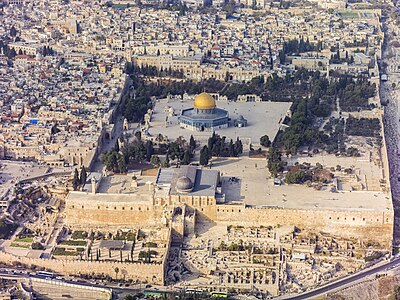
🕌Temple Mount / Al-Aqsa (Jerusalem)
Sacred to Judaism, Christianity, and Islam — the most contested holy site on Earth.
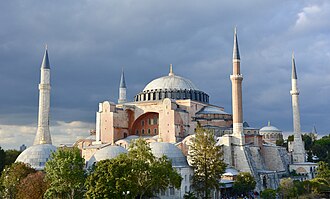
🏛️Hagia Sophia
A masterpiece that served as cathedral, mosque, and museum across centuries.
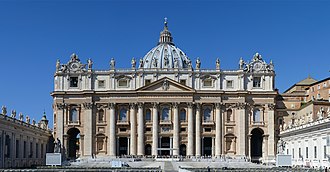
⛪Vatican City (St. Peter's Basilica)
The spiritual center of Roman Catholicism and home of the Pope.
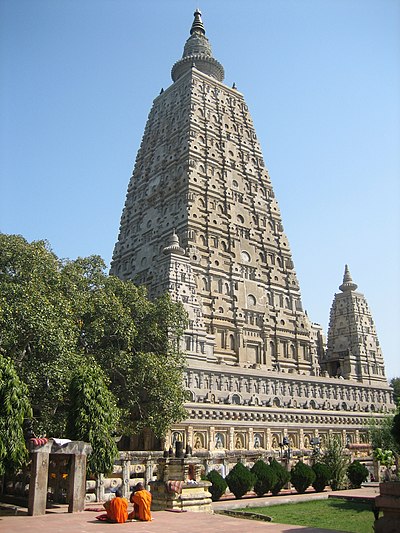
☸️Bodh Gaya (Mahabodhi Temple)
Where Siddhartha Gautama attained enlightenment and became the Buddha.

