
☸️ Bulguksa Temple
South Korea
About This Sacred Site
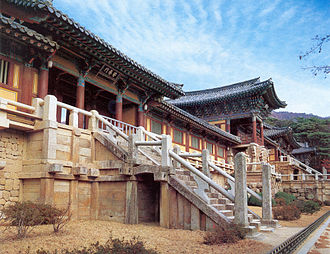
Bulguksa Temple in Gyeongju is the most celebrated Buddhist temple in South Korea and a UNESCO World Heritage Site. Built in 528 CE and extensively reconstructed in 751 during the Silla dynasty's golden age, the temple is a masterpiece of East Asian Buddhist architecture. Its stone bridges, pagodas, and terraces are designed to represent the Buddhist Pure Land on earth. The Dabotap and Seokgatap pagodas are two of Korea's most treasured national artifacts, and Gyeongju itself was the Silla capital for nearly a millennium.
History & Origins
Bulguksa Temple, situated in Gyeongju, South Korea, was originally constructed in 528 CE during the Silla Kingdom and substantially rebuilt in 751 CE under King Gyeongdeok. As a masterpiece of Buddhist architecture, it exemplifies the pinnacle of Silla craftsmanship and religious art. Bulguksa contains several national treasures, including the Dabotap and Seokgatap pagodas. Its design reflects Mahayana Buddhist cosmology, integrating natural landscapes with spiritual symbolism. The temple has undergone multiple restorations, notably in the 1960s, preserving its status as a UNESCO World Heritage Site and a vital pilgrimage destination.
Spiritual Significance
Established originally in 528 CE and reconstructed in 751 CE under the Silla Kingdom, this temple serves as a profound symbol of Korean Buddhist devotion and architectural ingenuity. The temple complex, designated a UNESCO World Heritage Site since 1995, is renowned for its two pagodas, Dabotap and Seokgatap, which are Korean National Treasures embodying the doctrinal duality of wisdom and compassion. Pilgrims engage in ritual circumambulation around these pagodas, reflecting on the Lotus Sutra's teachings, emphasizing the unity of the spiritual path and ultimate enlightenment. Annual festivals such as the Yeondeunghoe Lantern Festival celebrate Buddha's birthday with lantern lighting ceremonies, where devotees chant sutras to invoke blessings. The temple's layout, symbolizing the Buddhist cosmology, aligns with the Avatamsaka Sutra, fostering meditative practices centered on the interpenetration of all phenomena. Spiritual leaders historically associated with this site promoted Seon (Zen) meditation, integrating doctrinal study with seated practice. The temple's stone bridges and stairways are considered metaphors for the path to enlightenment, used in ritual processions to mark stages of spiritual progress.
Key Facts
- •UNESCO World Heritage Site since 1995
- •Originally built in 528 CE, reconstructed in 751 CE
- •The Dabotap and Seokgatap pagodas are designated Korean National Treasures
- •Gyeongju was the Silla dynasty capital for nearly 1,000 years
- •The temple layout represents the ideal Buddhist Pure Land on earth
Location
Coordinates: 35.7900, 129.3317
Frequently Asked Questions
What religion is Bulguksa Temple associated with?▾
Bulguksa Temple is a Buddhism holy site located in South Korea. It was established 528 CE (original), 751 CE (reconstruction) and is ranked #134 in our global directory of sacred sites.
When was Bulguksa Temple established?▾
Bulguksa Temple dates back to 528 CE (original), 751 CE (reconstruction). UNESCO World Heritage Site since 1995
How many people visit Bulguksa Temple each year?▾
Bulguksa Temple receives approximately 3+ million visitors per year. Originally built in 528 CE, reconstructed in 751 CE
What is Bulguksa Temple known for?▾
Korea's most celebrated Buddhist temple, a UNESCO masterpiece of Silla-dynasty architecture. Visitors come seeking spiritual enlightenment, peace, meditation, blessings. The Dabotap and Seokgatap pagodas are designated Korean National Treasures
Related Holy Sites
Sacred places connected by country, religion, and purpose
🏛️Jongmyo Shrine (Seoul)
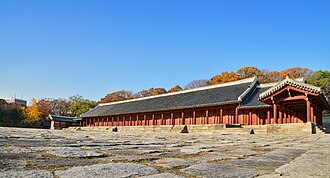
A UNESCO-listed Confucian royal ancestral shrine, the oldest and most authentic of its kind in the world.
☸️Tongdosa Temple
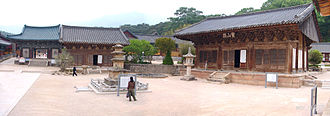
Korea's 'Temple Without a Buddha,' which enshrines relics of the historical Buddha instead of statues.
☸️Bodh Gaya (Mahabodhi Temple)
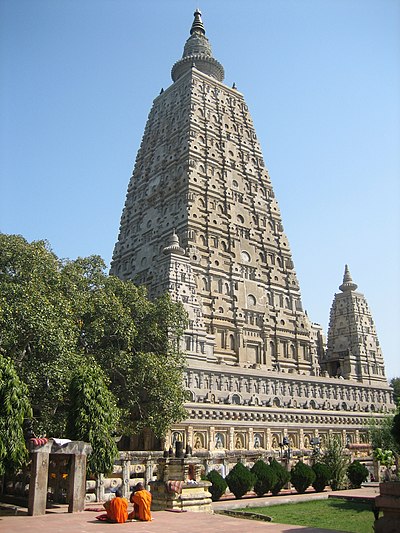
Where Siddhartha Gautama attained enlightenment and became the Buddha.
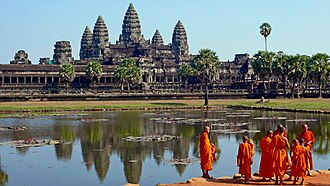
🛕Angkor Wat
The largest religious monument in the world, originally Hindu then Buddhist.
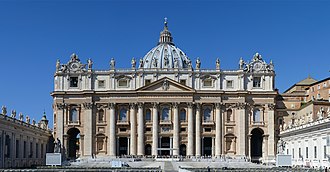
⛪Vatican City (St. Peter's Basilica)
The spiritual center of Roman Catholicism and home of the Pope.
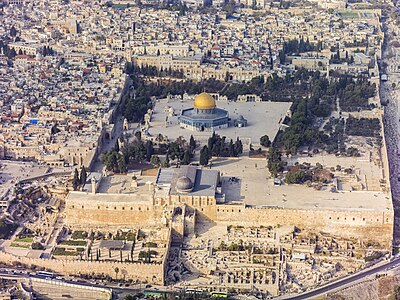
🕌Temple Mount / Al-Aqsa (Jerusalem)
Sacred to Judaism, Christianity, and Islam — the most contested holy site on Earth.

