
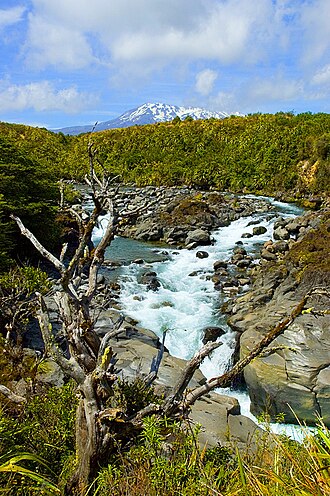
🌋 Tongariro National Park (Sacred Mountains)
New Zealand
About This Sacred Site
Tongariro National Park in the central North Island contains three active volcanic peaks — Tongariro, Ngāuruhoe, and Ruapehu — that are deeply sacred to the Māori Ngāti Tūwharetoa people. In 1887, paramount chief Te Heuheu Tūkino IV gifted the peaks to the nation to protect them from European settlement, creating New Zealand's first national park. The mountains are considered the tūpuna (ancestors) of the Ngāti Tūwharetoa and are tapu (sacred). The park is a dual UNESCO World Heritage Site for both natural and cultural values.
History & Origins
Tongariro National Park was established in 1887 as New Zealand's first national park, initiated by the gift of land from Māori chief Te Heuheu Tūkino IV of the Ngāti Tūwharetoa iwi. The park protects three main volcanic peaks: Ruapehu, Ngauruhoe, and Tongariro, which have been sacred to the Māori people since their arrival around 1300 CE. The establishment was formalized under the Tongariro National Park Act 1887, marking a unique collaboration between indigenous custodians and the colonial government. Throughout the 20th century, the park saw the addition of walking tracks, including the Tongariro Alpine Crossing, opened in the 1970s to allow visitors to experience the volcanic landscape. Restoration projects in the 1990s addressed erosion and invasive species, preserving the park's natural and cultural heritage. The park was inscribed as a UNESCO World Heritage Site in 1990 for its combined natural and cultural values, recognizing both geological features and its spiritual significance to the Māori. Recent management plans emphasize co-governance between the New Zealand Department of Conservation and Ngāti Tūwharetoa representatives.
Spiritual Significance
The three volcanic peaks within the park are regarded as tūpuna (ancestors) by the Ngāti Tūwharetoa iwi, with Ruapehu considered the eldest brother and guardian of the sacred lands. Traditional Māori beliefs hold that the mountains are inhabited by atua (deities), and rituals such as karakia (prayers) are performed before entering the area to seek permission and protection. The annual Matariki festival, marking the Māori New Year, includes ceremonies on the slopes of Tongariro to honor ancestors and renew connections to the land. The park's spiritual lore is preserved through oral histories and waiata (songs) recounting the deeds of the volcanic peaks, as recorded by tribal elders. Pilgrimage to these peaks often involves waka ama (canoe) journeys along nearby lakes, symbolizing a connection between water and mountain spirits. The Ngāti Tūwharetoa have exclusive rights to perform rites at the summit of Ruapehu, a practice protected under the Treaty of Waitangi settlements. These customs reinforce the sacred covenant between the iwi and the land, emphasizing guardianship (kaitiakitanga) as a theological principle embedded in Māori cosmology.
Key Facts
- •New Zealand's first national park, established in 1887 through the gift of Māori chief Te Heuheu Tūkino IV
- •The three volcanic peaks are considered ancestors (tūpuna) by the Ngāti Tūwharetoa people
- •One of the first sites to be inscribed as a UNESCO dual World Heritage Site (natural and cultural)
- •Mount Ngāuruhoe was used as 'Mount Doom' in Peter Jackson's Lord of the Rings films
- •The Tongariro Alpine Crossing is considered one of the world's best day hikes
Location
Coordinates: -39.2860, 175.5641
Frequently Asked Questions
What religion is Tongariro National Park (Sacred Mountains) associated with?▾
Tongariro National Park (Sacred Mountains) is a Indigenous holy site located in New Zealand. It was established 1887 (sacred to Māori since arrival c. 1300) and is ranked #386 in our global directory of sacred sites.
When was Tongariro National Park (Sacred Mountains) established?▾
Tongariro National Park (Sacred Mountains) dates back to 1887 (sacred to Māori since arrival c. 1300). New Zealand's first national park, established in 1887 through the gift of Māori chief Te Heuheu Tūkino IV
How many people visit Tongariro National Park (Sacred Mountains) each year?▾
Tongariro National Park (Sacred Mountains) receives approximately 1 million visitors per year. The three volcanic peaks are considered ancestors (tūpuna) by the Ngāti Tūwharetoa people
What is Tongariro National Park (Sacred Mountains) known for?▾
Three sacred volcanic peaks gifted to the nation by a Māori chief to protect their spiritual significance. Visitors come seeking ancestral connection, spiritual enlightenment, purification, protection. One of the first sites to be inscribed as a UNESCO dual World Heritage Site (natural and cultural)
Related Holy Sites
Sacred places connected by country, religion, and purpose
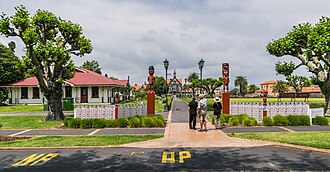
♨️Rotorua Geothermal Sacred Sites
Geothermal hot springs and geysers in the central North Island considered tapu and healing by Māori.
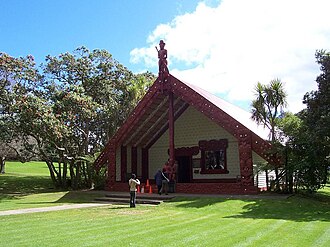
🤝Waitangi Treaty Grounds
The site where the Treaty of Waitangi was signed in 1840, sacred ground for Māori and New Zealand nationhood.
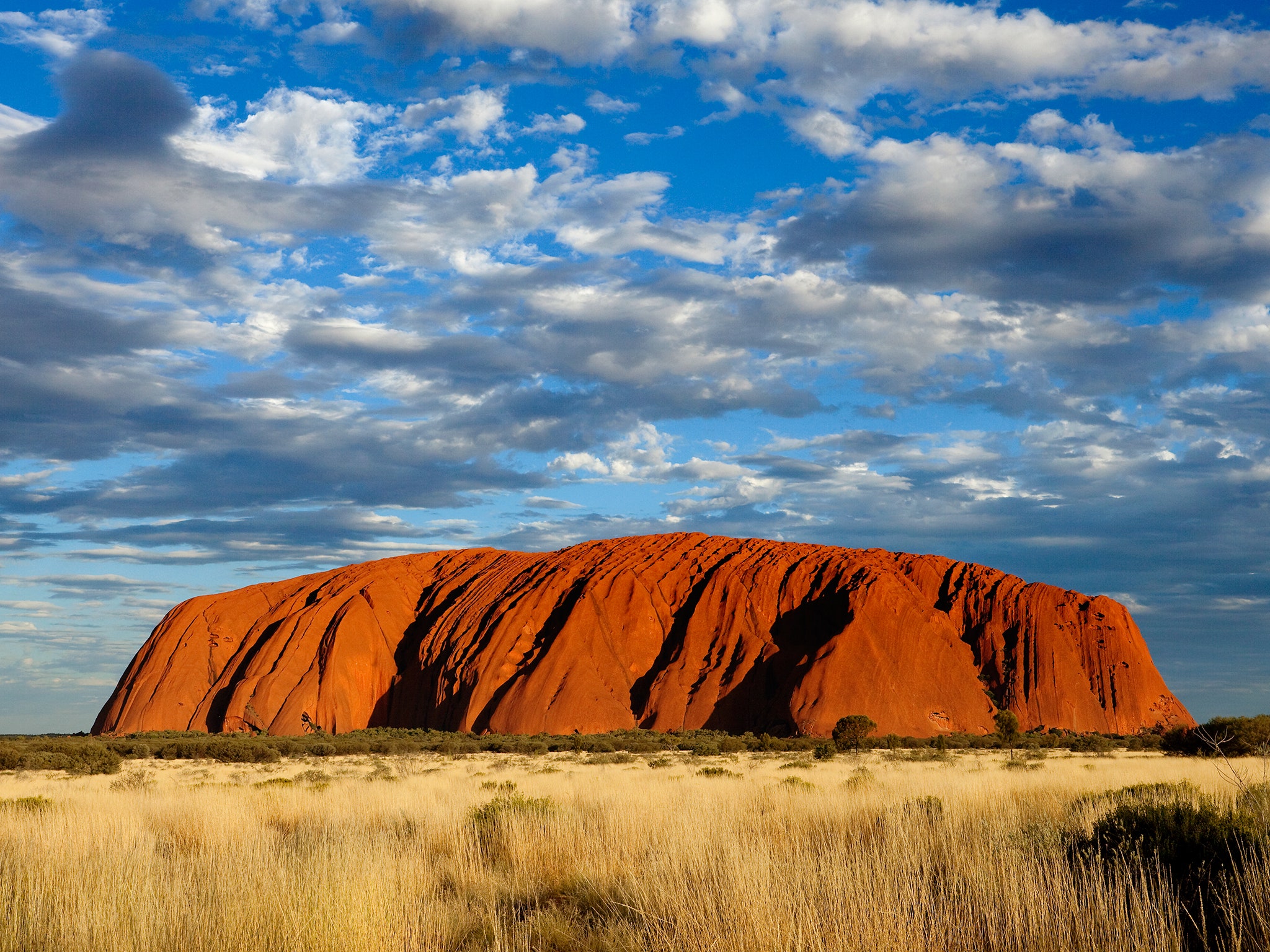
🪨Uluru (Ayers Rock)
A sacred monolith central to Aboriginal Australian creation stories.
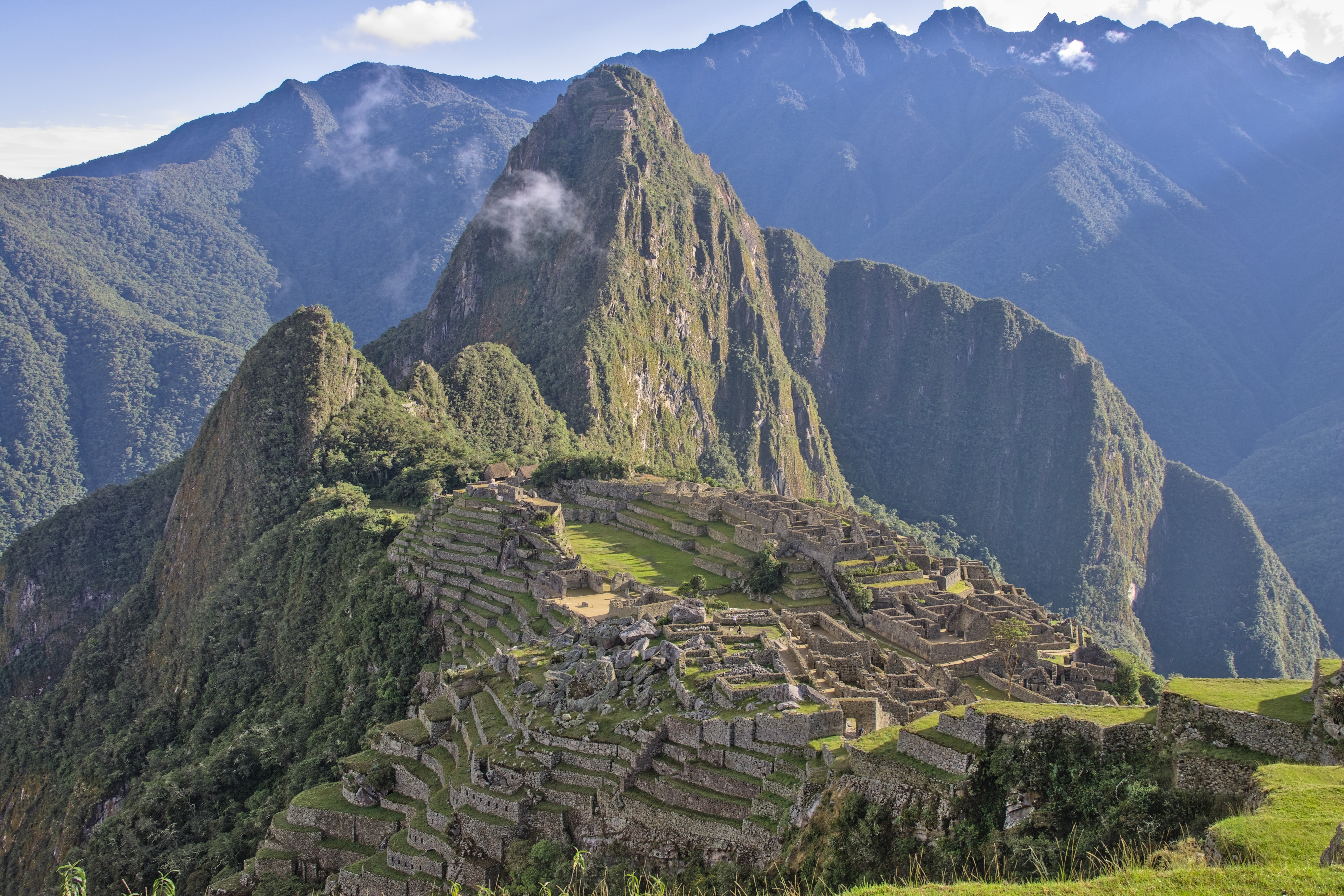
🏔️Machu Picchu
A sacred Inca citadel set high in the Andes, aligned with astronomical events.
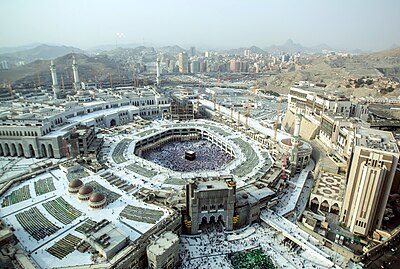
🕋Masjid al-Haram (Great Mosque of Mecca)
The holiest site in Islam, home of the Kaaba, and the destination for Hajj pilgrimage.
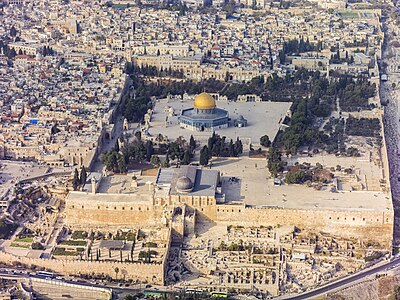
🕌Temple Mount / Al-Aqsa (Jerusalem)
Sacred to Judaism, Christianity, and Islam — the most contested holy site on Earth.

