
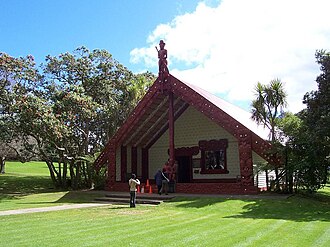
🤝 Waitangi Treaty Grounds
New Zealand
About This Sacred Site
The Waitangi Treaty Grounds in the Bay of Islands are the site where the Treaty of Waitangi was signed on February 6, 1840, between the British Crown and Māori chiefs. This founding document of New Zealand is treated as sacred by Māori and holds national significance for all New Zealanders. The grounds include the Treaty House, a large Māori meeting house (whare rūnanga) with carvings representing all Māori tribes, and the world's largest ceremonial war canoe (waka taua), launched annually on Waitangi Day.
History & Origins
The Waitangi Treaty Grounds, located in the Bay of Islands, New Zealand, is the historic site where the Treaty of Waitangi was signed on February 6, 1840. This treaty, signed between representatives of the British Crown and various Māori chiefs, established British sovereignty while recognizing Māori land rights and customs. The site includes the Treaty House, originally built in 1833 by James Busby, the British Resident. Over time, the grounds have been preserved and developed to include the Waitangi Treaty Grounds Museum, the carved Māori meeting house Te Whare Rūnanga, and the Te Tii Marae. The area serves as a critical venue for annual Waitangi Day commemorations, reflecting its enduring cultural and political significance in New Zealand's history. Conservation efforts have maintained the site's physical and symbolic heritage, making it a place of education, reflection, and national identity.
Spiritual Significance
The Waitangi Treaty Grounds hold profound spiritual importance as the site where the Treaty of Waitangi was signed on February 6, 1840, establishing a foundational covenant between Māori iwi and the British Crown. The grounds feature the Māori meeting house, or whare rūnanga, whose carvings represent all iwi involved in the treaty, embodying the unity and diverse whakapapa (genealogies) of New Zealand’s indigenous peoples. Annual Waitangi Day commemorations include pōwhiri (welcoming ceremonies) and karakia (prayers) led by kaumātua (elders) to honor the treaty’s enduring legacy and seek guidance for the nation’s future. Pilgrims and visitors engage in educational tours that emphasize the spiritual and political significance of the treaty as a living document, with reflections on tikanga Māori principles such as mana and kaitiakitanga. The grounds also host treaty settlement ceremonies and cultural performances, reinforcing the site’s role as a place of reconciliation and ongoing dialogue.
Key Facts
- •The Treaty of Waitangi, signed here on February 6, 1840, is New Zealand's founding document
- •The Māori meeting house (whare rūnanga) contains carvings representing all iwi (tribes) of New Zealand
- •The world's largest ceremonial war canoe (waka taua), Ngātokimatawhaorua, is launched here on Waitangi Day
- •February 6 is celebrated as Waitangi Day, New Zealand's national day
- •The grounds are managed jointly by Māori and the Crown as a place of ongoing reconciliation
Location
Coordinates: -35.2710, 174.0844
Frequently Asked Questions
What religion is Waitangi Treaty Grounds associated with?▾
Waitangi Treaty Grounds is a Multi-faith holy site located in New Zealand. It was established 1840 and is ranked #524 in our global directory of sacred sites.
When was Waitangi Treaty Grounds established?▾
Waitangi Treaty Grounds dates back to 1840. The Treaty of Waitangi, signed here on February 6, 1840, is New Zealand's founding document
How many people visit Waitangi Treaty Grounds each year?▾
Waitangi Treaty Grounds receives approximately 300,000 visitors per year. The Māori meeting house (whare rūnanga) contains carvings representing all iwi (tribes) of New Zealand
What is Waitangi Treaty Grounds known for?▾
The site where the Treaty of Waitangi was signed in 1840, sacred ground for Māori and New Zealand nationhood. Visitors come seeking ancestral connection, peace, guidance, spiritual enlightenment. The world's largest ceremonial war canoe (waka taua), Ngātokimatawhaorua, is launched here on Waitangi Day
Related Holy Sites
Sacred places connected by country, religion, and purpose
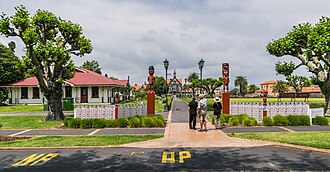
♨️Rotorua Geothermal Sacred Sites
Geothermal hot springs and geysers in the central North Island considered tapu and healing by Māori.
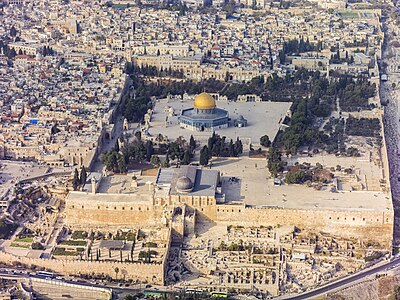
🕌Temple Mount / Al-Aqsa (Jerusalem)
Sacred to Judaism, Christianity, and Islam — the most contested holy site on Earth.
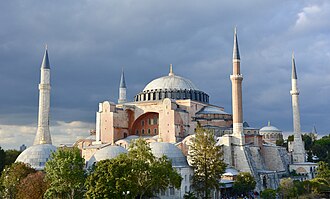
🏛️Hagia Sophia
A masterpiece that served as cathedral, mosque, and museum across centuries.
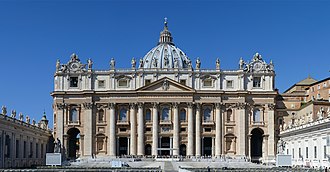
⛪Vatican City (St. Peter's Basilica)
The spiritual center of Roman Catholicism and home of the Pope.
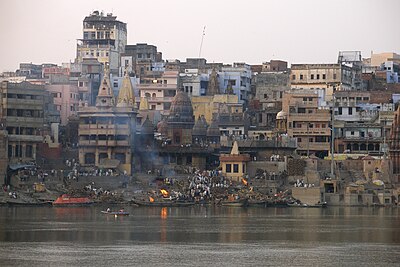
🙏Varanasi (Kashi Vishwanath Temple)
The holiest city in Hinduism, where the Ganges River purifies the soul.

