♨️ Rotorua Geothermal Sacred Sites
New Zealand
About This Sacred Site
The Rotorua geothermal area in New Zealand's central North Island is a landscape of boiling mud pools, geysers, and hot springs that has been sacred to the Māori Te Arawa people for over 700 years. The Whakarewarewa thermal valley, with its Pōhutu geyser erupting up to 30 meters, has been used for cooking, bathing, heating, and healing. Many hot pools are considered tapu (sacred) and are associated with the atua (gods) and ancestral spirits. The mineral-rich waters are still used for rongoā (traditional Māori medicine).
History & Origins
The Rotorua Geothermal Sacred Sites have been inhabited by the Te Arawa people for over 700 years since their arrival around 1300 CE, with oral histories chronicling the settlement of the region’s geothermal landscape. The area includes the Pōhutu Geyser, which erupts up to 30 meters and holds the distinction of being the largest active geyser in the Southern Hemisphere. Throughout the 19th and 20th centuries, the sites have undergone various developments, including the construction of marae (meeting houses) and the integration of geothermal features into cultural tourism. Despite modern interventions, Te Arawa have preserved traditional protocols governing the use and protection of geothermal features, maintaining their status as taonga (treasures). The geothermal activity has been central to the community's identity, with historical conflicts arising over land rights leading to negotiated settlements recognizing Māori ownership.
Spiritual Significance
For the Te Arawa people, the Rotorua geothermal area is a living sacred landscape where natural phenomena like the Pōhutu Geyser are manifestations of the atua (spiritual beings). Ritual purification ceremonies, or whakanoa, are performed at thermal pools believed to cleanse physical and spiritual impurities, reinforcing the connection between geothermal activity and wellbeing. The marae near geothermal sites host tangihanga (funeral rites) and celebrations such as the annual Te Arawa festival, integrating waiata and haka that invoke ancestors and the geothermal guardians. Traditional knowledge, passed through whakapapa (genealogy), teaches that the geothermal features are linked to the deity Ngātoroirangi, who invoked fire from the earth during the tribe’s migration. The continuous eruptions of Pōhutu Geyser symbolize the ongoing presence and protection of ancestral spirits within the land.
Key Facts
- •The Te Arawa people have lived among the geothermal features for over 700 years
- •Pōhutu Geyser erupts up to 30 meters and is the largest active geyser in the Southern Hemisphere
- •Geothermal pools have been used for cooking, bathing, and medicine for centuries
- •Many pools are tapu (sacred) and regulated by tikanga (Māori protocol)
- •The waters are still used in rongoā Māori (traditional Māori healing practices)
Location
Coordinates: -38.1368, 176.2497
Frequently Asked Questions
What religion is Rotorua Geothermal Sacred Sites associated with?▾
Rotorua Geothermal Sacred Sites is a Indigenous holy site located in New Zealand. It was established c. 1300 (Māori arrival) and is ranked #308 in our global directory of sacred sites.
When was Rotorua Geothermal Sacred Sites established?▾
Rotorua Geothermal Sacred Sites dates back to c. 1300 (Māori arrival). The Te Arawa people have lived among the geothermal features for over 700 years
How many people visit Rotorua Geothermal Sacred Sites each year?▾
Rotorua Geothermal Sacred Sites receives approximately 3 million (broader Rotorua area) visitors per year. Pōhutu Geyser erupts up to 30 meters and is the largest active geyser in the Southern Hemisphere
What is Rotorua Geothermal Sacred Sites known for?▾
Geothermal hot springs and geysers in the central North Island considered tapu and healing by Māori. Visitors come seeking healing, purification, ancestral connection, spiritual enlightenment. Geothermal pools have been used for cooking, bathing, and medicine for centuries
Related Holy Sites
Sacred places connected by country, religion, and purpose
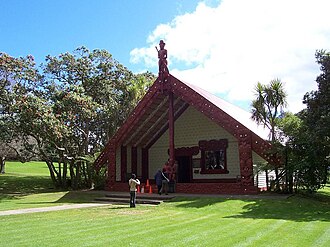
🤝Waitangi Treaty Grounds
The site where the Treaty of Waitangi was signed in 1840, sacred ground for Māori and New Zealand nationhood.
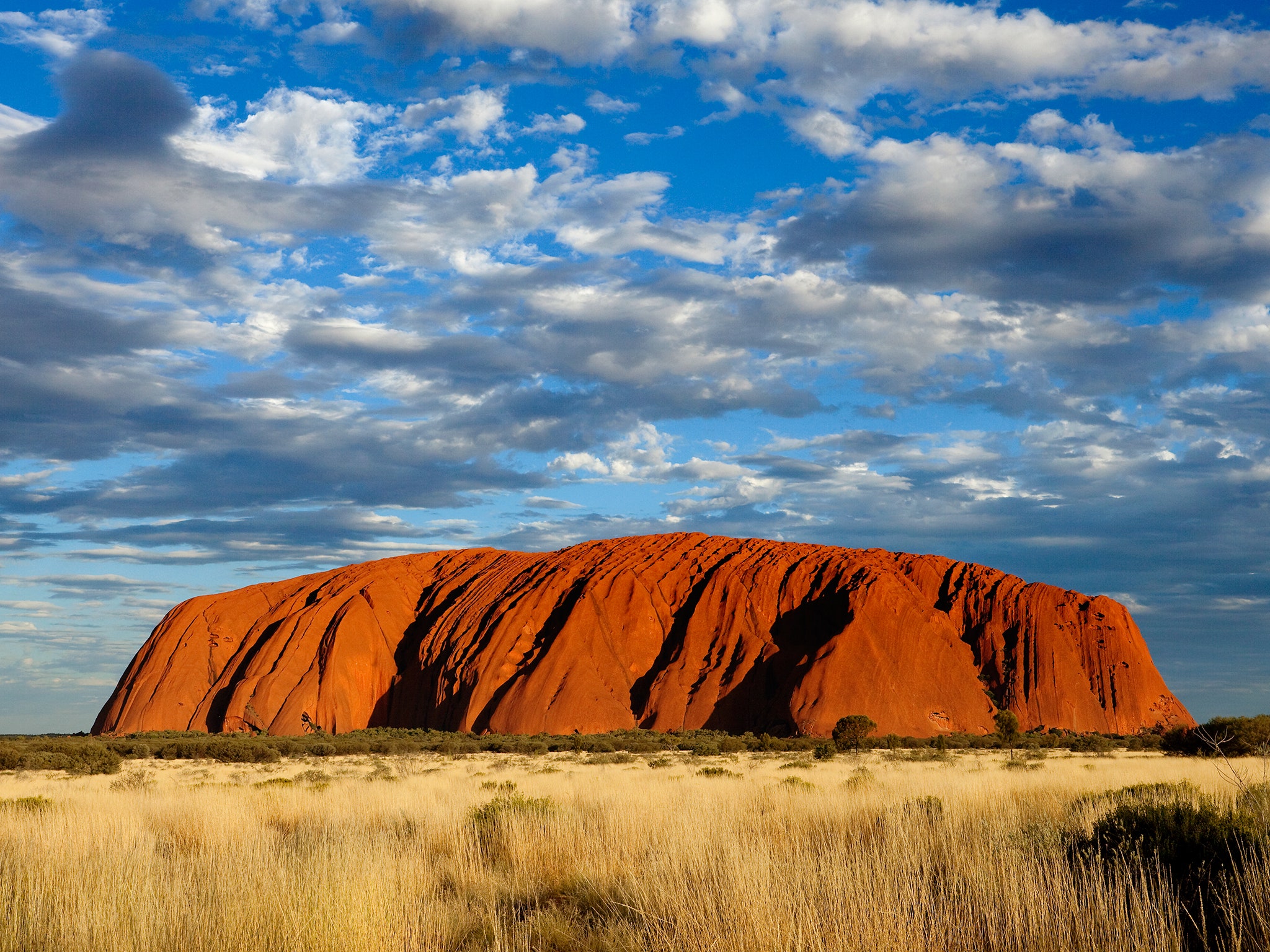
🪨Uluru (Ayers Rock)
A sacred monolith central to Aboriginal Australian creation stories.
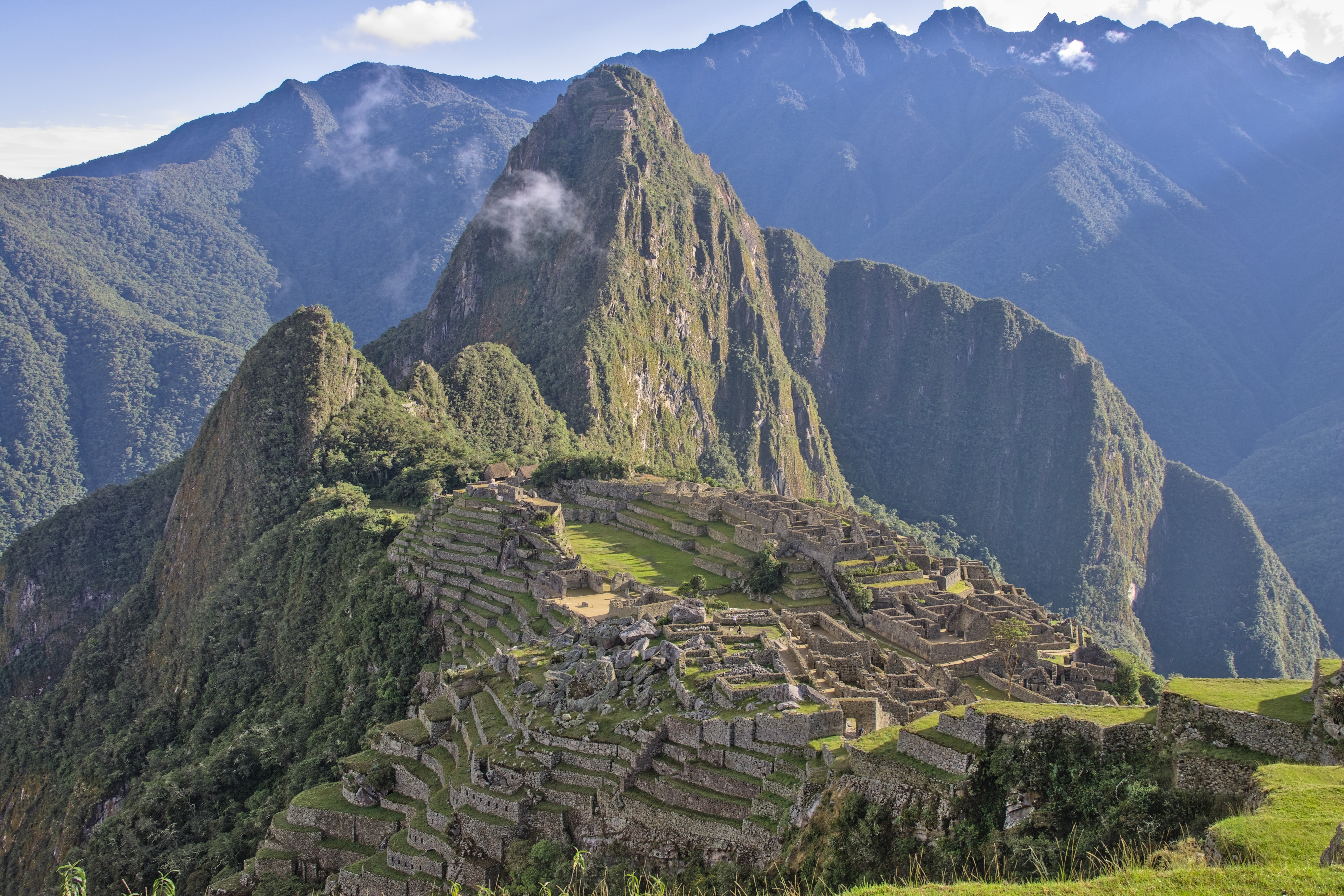
🏔️Machu Picchu
A sacred Inca citadel set high in the Andes, aligned with astronomical events.