🌿 Sapo National Park Sacred Sites
Liberia
About This Sacred Site
Sapo National Park, Liberia's largest protected area, contains sacred forests and spiritual sites of the Sapo, Kru, and other indigenous peoples. The park's dense tropical rainforest, one of the largest remaining blocks of Upper Guinea Forest, harbors sacred groves where initiation ceremonies, ancestor veneration, and traditional healing practices take place. The Poro and Sande secret societies, which are central to the spiritual and social life of many Liberian communities, use specific forest locations within and around the park for their sacred activities. Traditional spiritual practices have contributed significantly to forest conservation.
History & Origins
Sapo National Park in Liberia, the country’s largest protected area, encompasses sacred forests and spiritual sites integral to the Sapo, Kru, and other indigenous groups. These forests have been used for centuries as places of worship, ancestral veneration, and traditional medicine. The park’s establishment in the 1980s aimed to protect biodiversity but also acknowledged the cultural importance of sacred groves, which are traditionally managed through customary laws. Despite conflict and logging pressures, local communities maintain spiritual connections to the park, conducting rituals that reinforce social cohesion and environmental stewardship. Sapo exemplifies the intertwining of ecological conservation and indigenous cultural heritage.
Spiritual Significance
Encompassing 1,804 square kilometers, this park contains sacred groves used by the Poro and Sande secret societies for initiation rites that are critical to social cohesion and spiritual education. These societies conduct masked dances and ritual sacrifices within the forest, invoking ancestral spirits through chants and drumming specific to the Mende and other ethnic groups. The groves serve as sites where traditional leaders perform ceremonies to bless agricultural cycles and forest conservation efforts, linking spiritual practice with environmental stewardship. Pilgrims seeking guidance often participate in cleansing rituals involving herbal baths drawn from park flora, believed to have purifying properties. The spiritual management by indigenous custodians ensures that the park remains a vital locus of cultural identity and religious practice amid Liberia's biodiversity hotspot.
Key Facts
- •Liberia's largest national park at 1,804 square kilometers
- •Contains one of the largest remaining blocks of Upper Guinea Forest
- •Sacred groves are used by the Poro and Sande societies
- •Home to forest elephants, pygmy hippos, and chimpanzees
- •Traditional spiritual practices have aided forest conservation
Location
Coordinates: 5.3500, -8.4000
Frequently Asked Questions
What religion is Sapo National Park Sacred Sites associated with?▾
Sapo National Park Sacred Sites is a Indigenous holy site located in Liberia. It was established Ancient and is ranked #1001 in our global directory of sacred sites.
When was Sapo National Park Sacred Sites established?▾
Sapo National Park Sacred Sites dates back to Ancient. Liberia's largest national park at 1,804 square kilometers
How many people visit Sapo National Park Sacred Sites each year?▾
Sapo National Park Sacred Sites receives approximately 2,000 visitors per year. Contains one of the largest remaining blocks of Upper Guinea Forest
What is Sapo National Park Sacred Sites known for?▾
Sacred forests within Liberia's largest protected area, home to the Sapo people. Visitors come seeking protection, ancestral connection, healing. Sacred groves are used by the Poro and Sande societies
Related Holy Sites
Sacred places connected by country, religion, and purpose
🏔️Mount Nimba
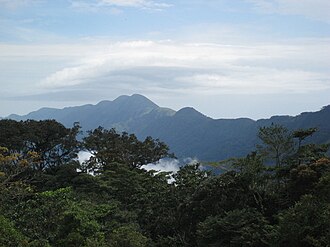
A UNESCO World Heritage mountain revered by local communities as a sacred peak.
⛪Providence Baptist Church Monrovia
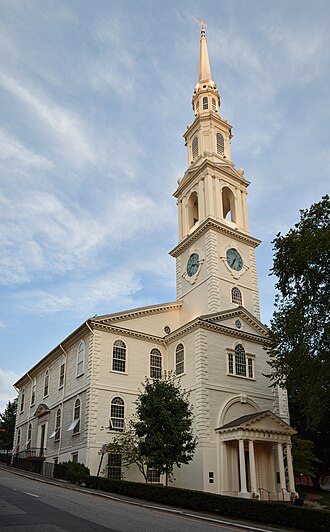
The oldest church in Liberia, founded by freed American slaves in 1821.
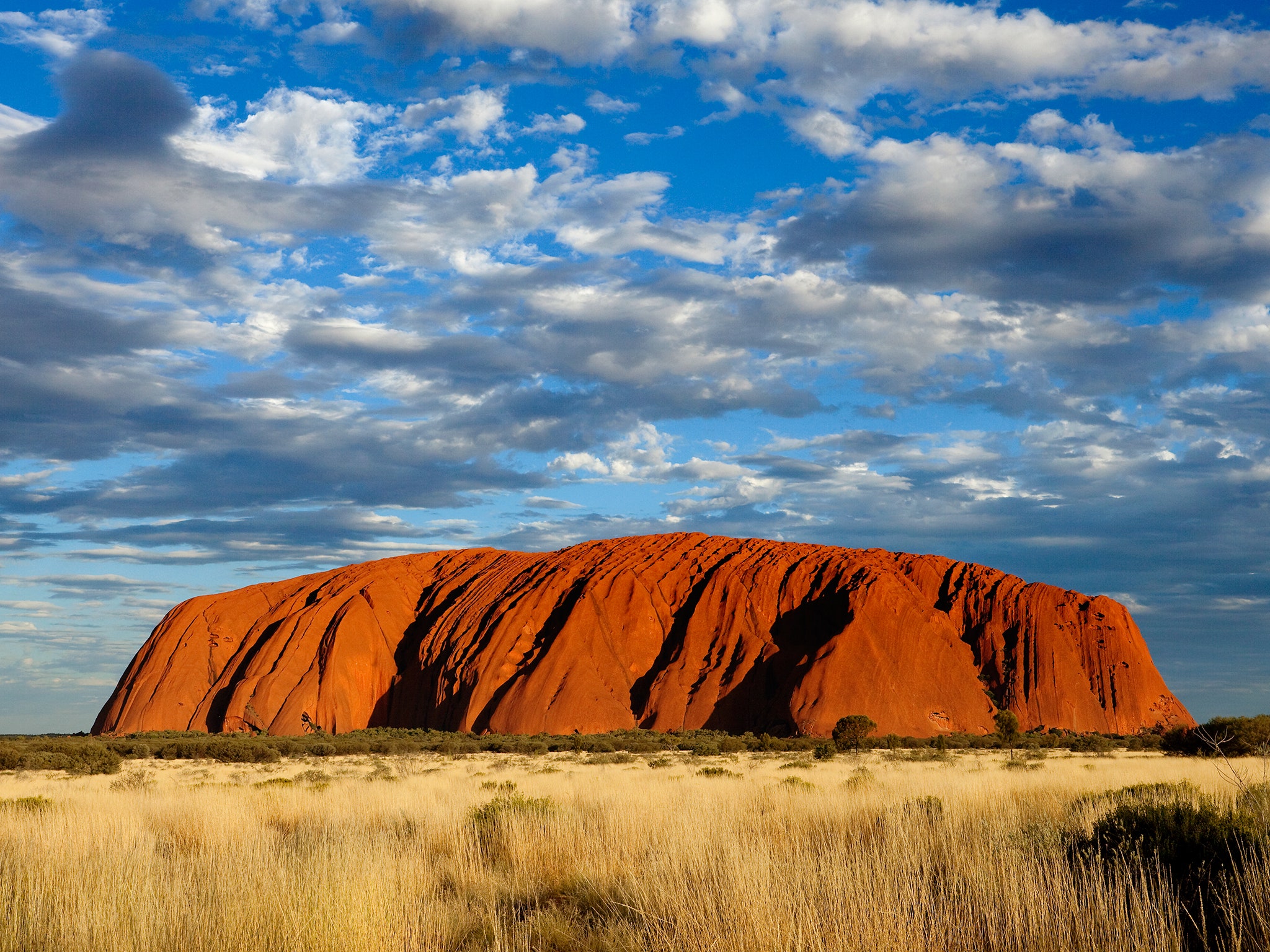
🪨Uluru (Ayers Rock)
A sacred monolith central to Aboriginal Australian creation stories.
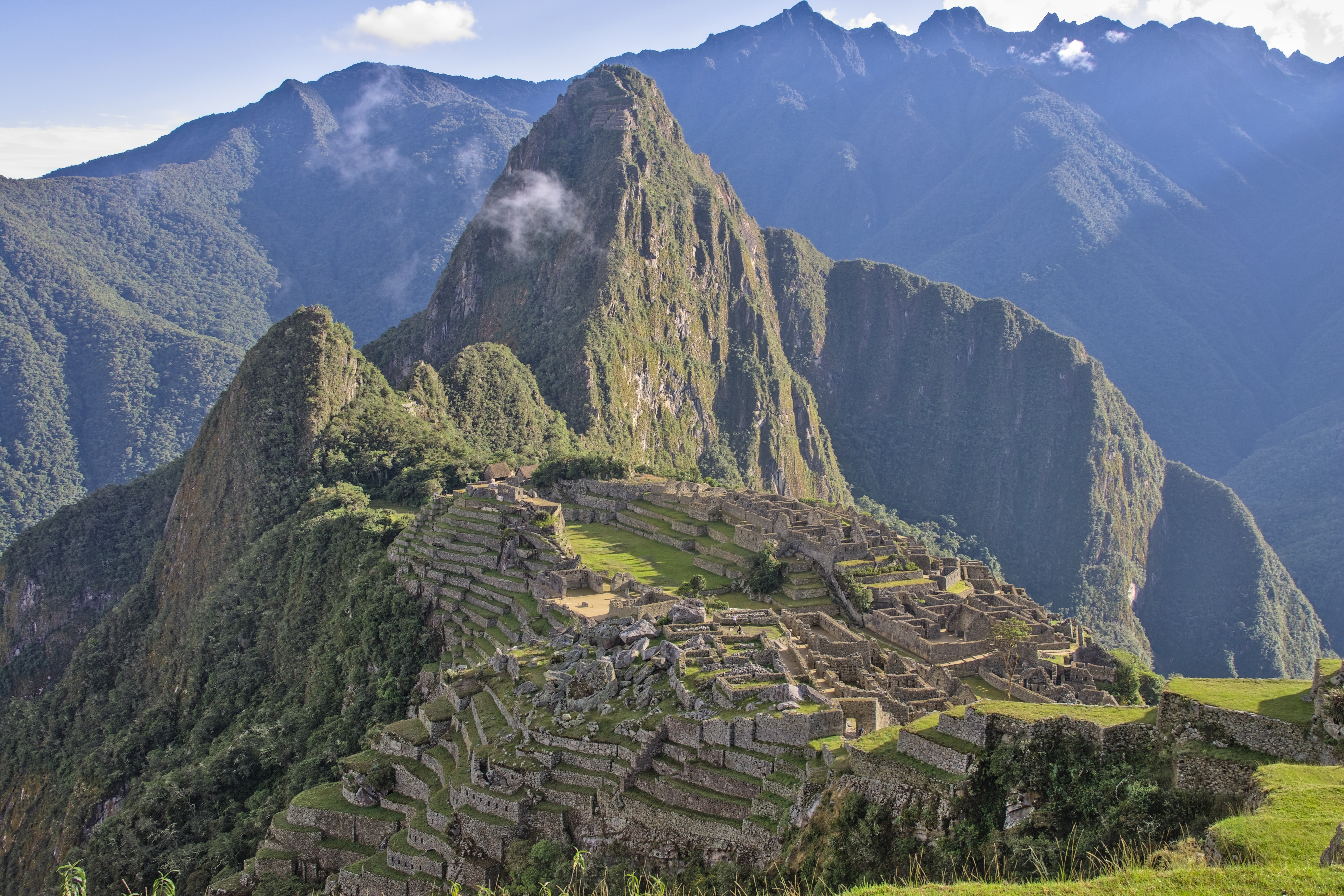
🏔️Machu Picchu
A sacred Inca citadel set high in the Andes, aligned with astronomical events.