
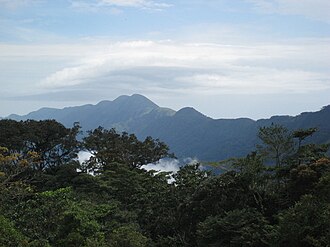
🏔️ Mount Nimba
Liberia
About This Sacred Site
Mount Nimba, straddling the borders of Liberia, Guinea, and Ivory Coast, is a UNESCO World Heritage Site and the highest point in all three countries at 1,752 meters. The mountain's unique ecosystem supports remarkable biodiversity, including the viviparous toad found nowhere else on Earth. Local Dan, Mano, and other communities have long revered Mount Nimba as a sacred mountain, a dwelling place of powerful spirits and a source of spiritual energy. Traditional ceremonies are conducted on the mountain's slopes, and certain areas are restricted by spiritual taboos that have helped preserve its pristine ecology.
History & Origins
Mount Nimba, straddling Liberia, Guinea, and Ivory Coast, is the highest peak in all three countries and a UNESCO World Heritage Site. Its sacred status predates colonial boundaries, with indigenous groups such as the Mano and Dan peoples holding the mountain as spiritually potent. Mount Nimba’s unique biodiversity and mineral wealth have attracted scientific and economic interest since the early 20th century. Despite mining threats, traditional custodians have preserved sacred groves and ritual sites linked to ancestral worship and fertility rites. Conservation efforts in recent decades have sought to balance ecological protection with respect for indigenous spiritual practices, maintaining Mount Nimba as both a natural and cultural landmark.
Spiritual Significance
Designated a UNESCO World Heritage Site shared by Liberia, Guinea, and Ivory Coast, this mountain rises to 1,752 meters, making it the highest point in all three countries. It is revered by local communities who perform annual pilgrimage rituals at specific altitudes, including offerings to the mountain spirit Nimba, believed to control fertility and rain. The mountain's unique biodiversity, including the endemic viviparous toad, is intertwined with spiritual beliefs that protect these species as sacred custodians. Rituals involve the use of traditional chants and dances conducted by spiritual leaders from the Dan and Mano peoples, who view the mountain as a living ancestor. Pilgrimages often coincide with the harvest season, reflecting gratitude for the mountain's role in sustaining agricultural fertility and community wellbeing.
Key Facts
- •UNESCO World Heritage Site shared by Liberia, Guinea, and Ivory Coast
- •Highest point in all three countries at 1,752 meters
- •Home to the viviparous toad, found nowhere else on Earth
- •Revered as a sacred mountain by Dan and Mano communities
- •Spiritual taboos have helped preserve the mountain's pristine ecology
Location
Coordinates: 7.6167, -8.3833
Frequently Asked Questions
What religion is Mount Nimba associated with?▾
Mount Nimba is a Indigenous holy site located in Liberia. It was established Ancient and is ranked #889 in our global directory of sacred sites.
When was Mount Nimba established?▾
Mount Nimba dates back to Ancient. UNESCO World Heritage Site shared by Liberia, Guinea, and Ivory Coast
How many people visit Mount Nimba each year?▾
Mount Nimba receives approximately 5,000 visitors per year. Highest point in all three countries at 1,752 meters
What is Mount Nimba known for?▾
A UNESCO World Heritage mountain revered by local communities as a sacred peak. Visitors come seeking spiritual enlightenment, purification, ancestral connection. Home to the viviparous toad, found nowhere else on Earth
Related Holy Sites
Sacred places connected by country, religion, and purpose
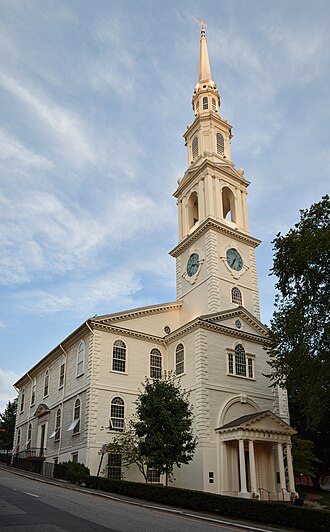
⛪Providence Baptist Church Monrovia
The oldest church in Liberia, founded by freed American slaves in 1821.
🌿Sapo National Park Sacred Sites
Sacred forests within Liberia's largest protected area, home to the Sapo people.
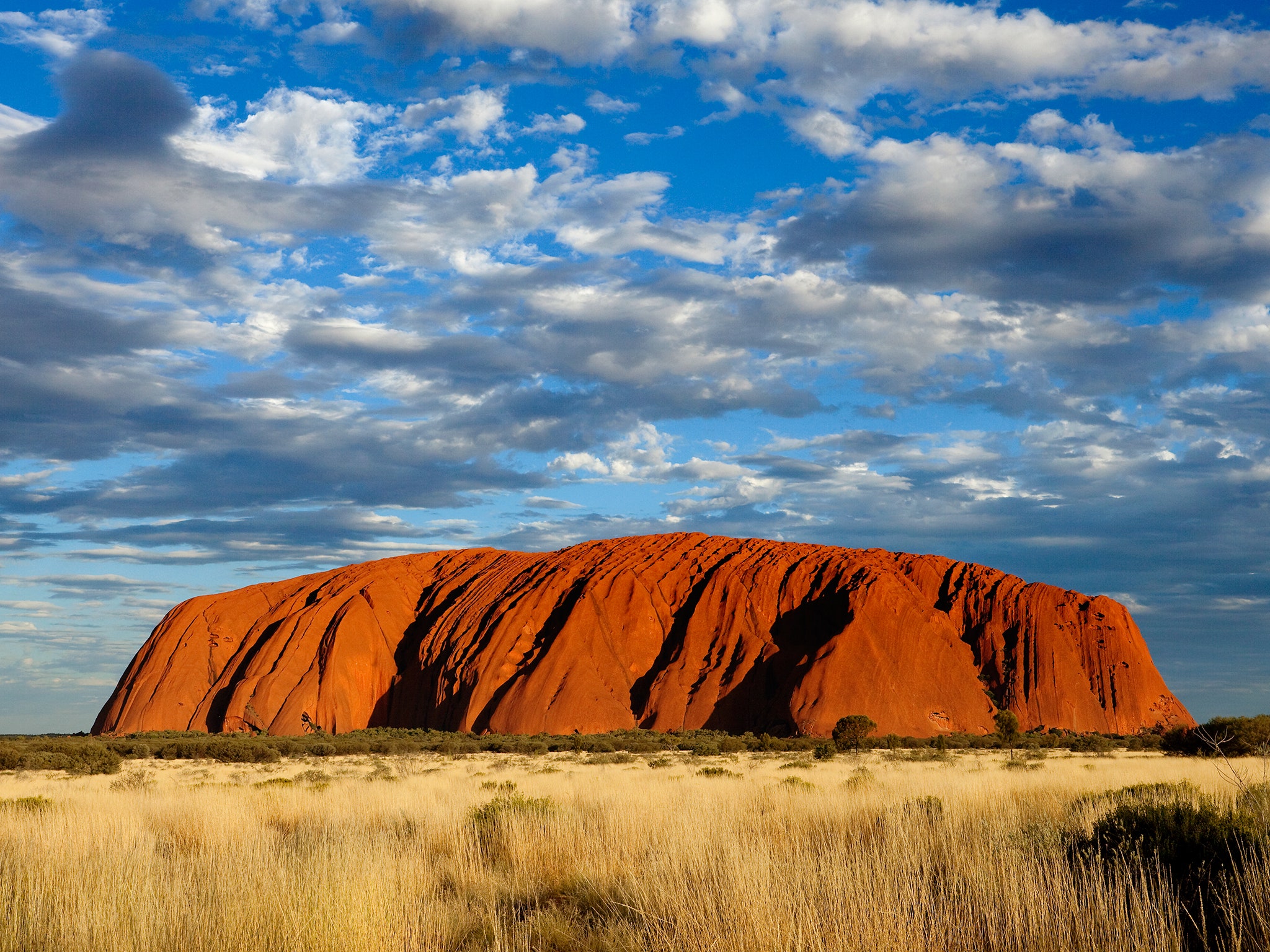
🪨Uluru (Ayers Rock)
A sacred monolith central to Aboriginal Australian creation stories.
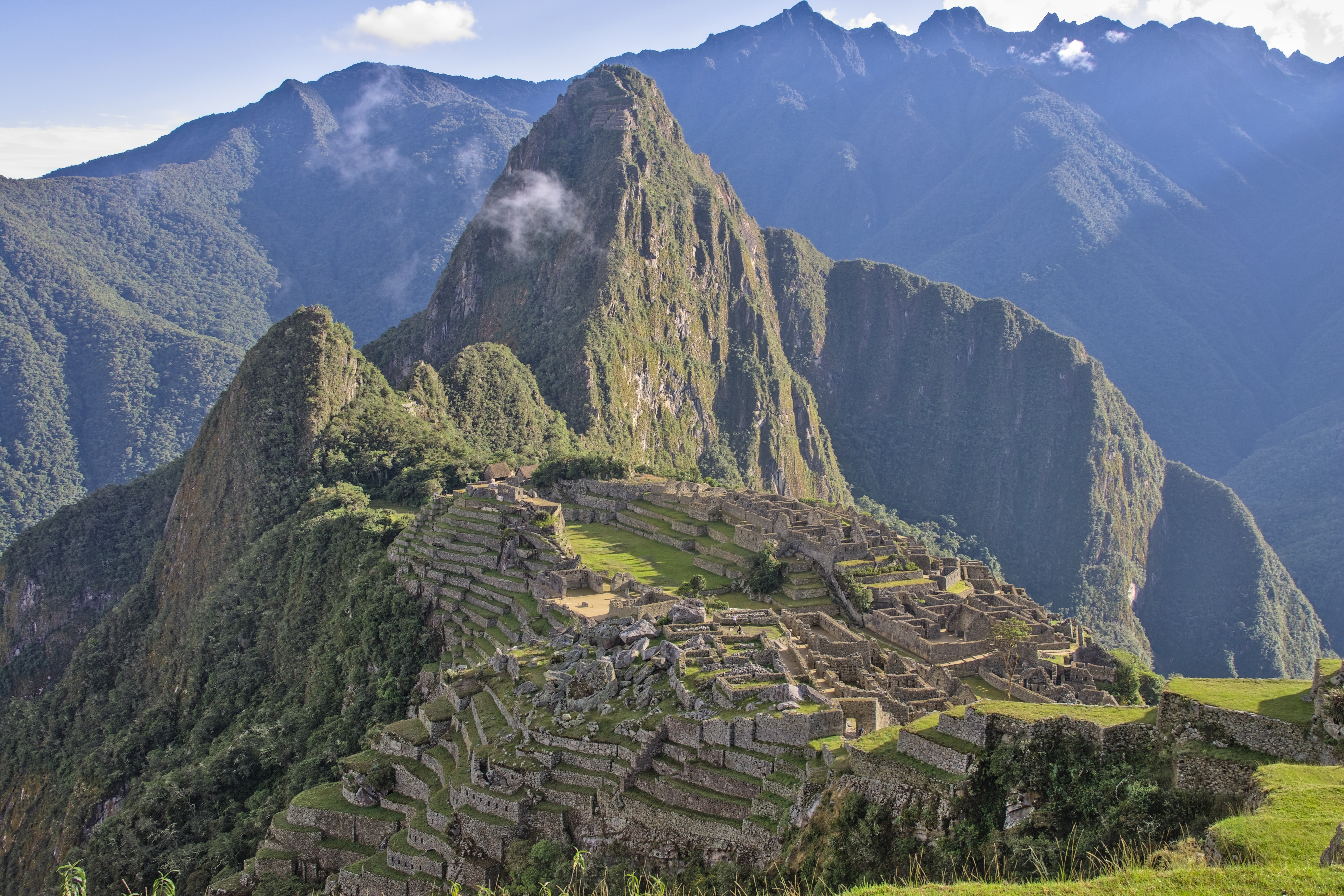
🏔️Machu Picchu
A sacred Inca citadel set high in the Andes, aligned with astronomical events.
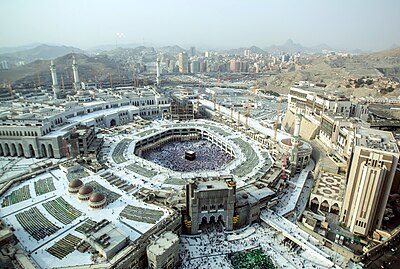
🕋Masjid al-Haram (Great Mosque of Mecca)
The holiest site in Islam, home of the Kaaba, and the destination for Hajj pilgrimage.
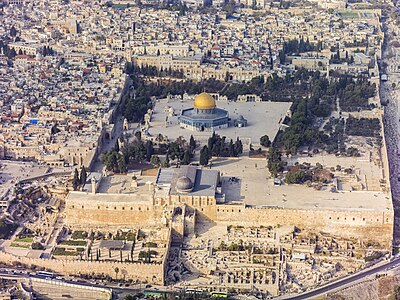
🕌Temple Mount / Al-Aqsa (Jerusalem)
Sacred to Judaism, Christianity, and Islam — the most contested holy site on Earth.

