
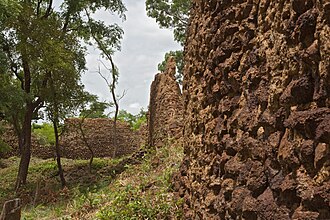
🏛️ Ruins of Loropéni
Burkina Faso
About This Sacred Site
The Ruins of Loropéni are Burkina Faso's only UNESCO World Heritage Site, comprising the best-preserved remains of the stone-built fortifications that flourished in the Lobi region from the 11th century onward. The walls, up to 6 meters high, enclosed an area linked to the trans-Saharan gold trade. The site is believed to have served both defensive and spiritual functions, with the Lobi people attributing sacred significance to the ruins. The mystery surrounding the original builders and the exact spiritual practices conducted within the walls adds to the site's aura of ancient power.
History & Origins
The stone enclosures of Loropéni date back to approximately the 11th century, constructed by the Lobi people to protect gold trade routes in the region. The site features stone walls that reach up to 6 meters in height, enclosing an area exceeding one hectare. Loropéni is Burkina Faso's only UNESCO World Heritage Site, inscribed in 2009 for its historical significance in trans-Saharan commerce. Archaeological studies indicate that the fortifications were maintained and expanded through the 15th century, coinciding with the height of the West African gold trade. The walls were built using dry stone techniques without mortar, showcasing advanced craftsmanship. After centuries of abandonment, local authorities initiated preservation efforts in the early 2000s to prevent further degradation.
Spiritual Significance
Loropéni's ruins occupy a sacred space for descendant communities, who consider the site a symbol of ancestral resilience and protection. Periodic rituals take place to honor the spirits believed to safeguard the gold trade legacy, including libations and offerings performed by traditional priests. The site is associated with indigenous animist beliefs that emphasize harmony with the land and ancestral spirits. Pilgrims visit during annual festivals linked to harvest cycles, seeking blessings for prosperity and protection. The spiritual practices at Loropéni integrate oral histories that recount the site's role in economic and social life, preserving knowledge through storytelling and ritual performance.
Key Facts
- •Burkina Faso's only UNESCO World Heritage Site, inscribed in 2009
- •Stone walls rise up to 6 meters high enclosing over 1 hectare
- •Linked to the trans-Saharan gold trade from the 11th century
- •The Lobi people attribute sacred significance to the ruins
- •The identity of the original builders remains a mystery
Location
Coordinates: 10.2500, -3.5833
Frequently Asked Questions
What religion is Ruins of Loropéni associated with?▾
Ruins of Loropéni is a Indigenous holy site located in Burkina Faso. It was established c. 11th century and is ranked #417 in our global directory of sacred sites.
When was Ruins of Loropéni established?▾
Ruins of Loropéni dates back to c. 11th century. Burkina Faso's only UNESCO World Heritage Site, inscribed in 2009
How many people visit Ruins of Loropéni each year?▾
Ruins of Loropéni receives approximately 8,000 visitors per year. Stone walls rise up to 6 meters high enclosing over 1 hectare
What is Ruins of Loropéni known for?▾
Burkina Faso's only UNESCO World Heritage Site, mysterious stone ruins linked to gold trade. Visitors come seeking ancestral connection, protection, guidance. Linked to the trans-Saharan gold trade from the 11th century
Related Holy Sites
Sacred places connected by country, religion, and purpose
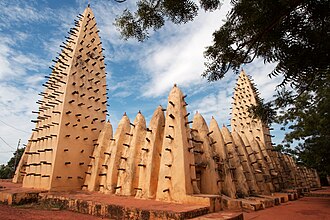
🕌Bobo-Dioulasso Grand Mosque
A striking Sudanese-style mud-brick mosque in Burkina Faso's second city.
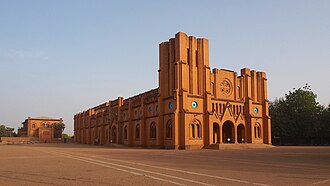
⛪Ouagadougou Cathedral
The principal Catholic cathedral of Burkina Faso's capital city.
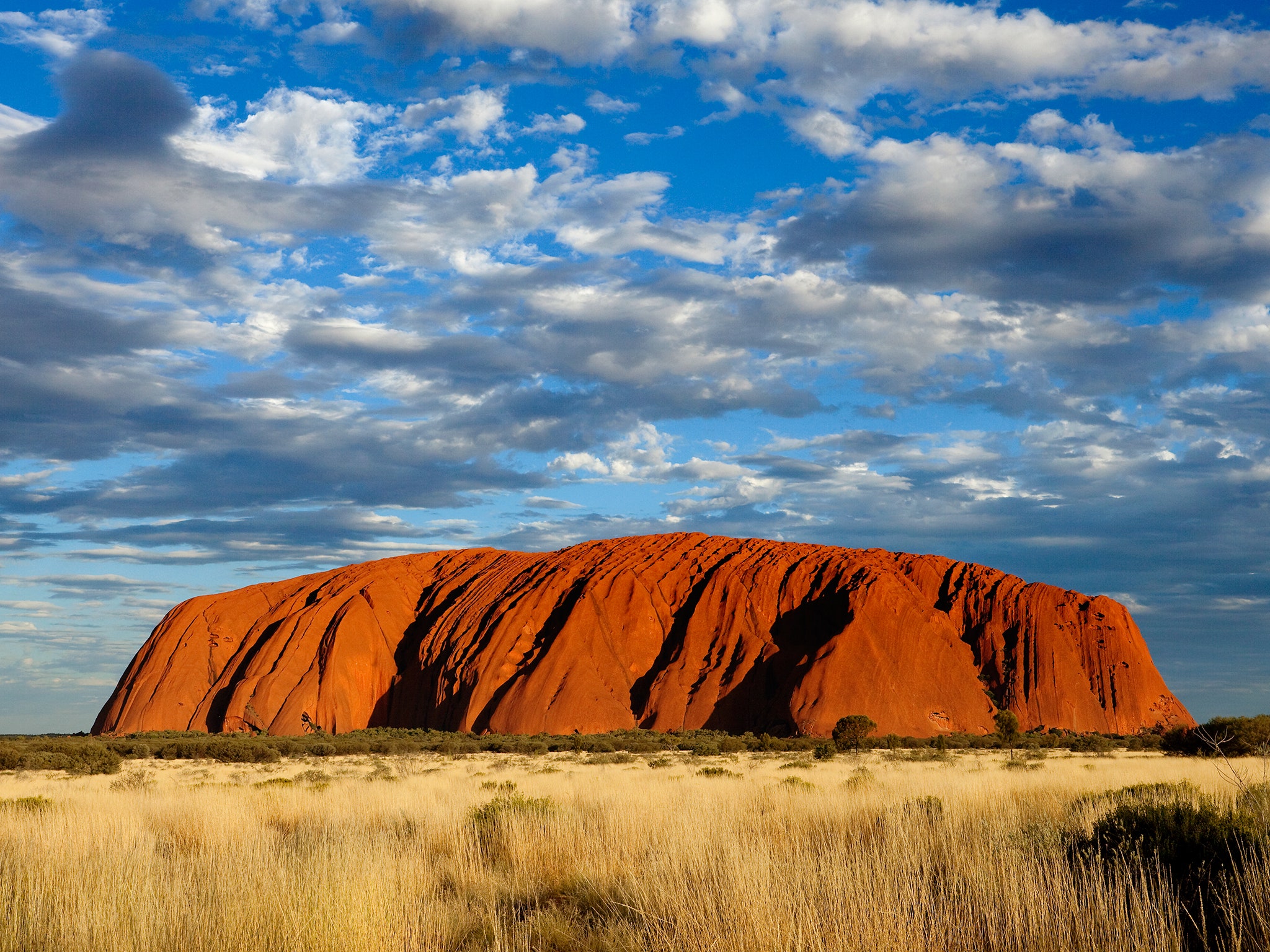
🪨Uluru (Ayers Rock)
A sacred monolith central to Aboriginal Australian creation stories.
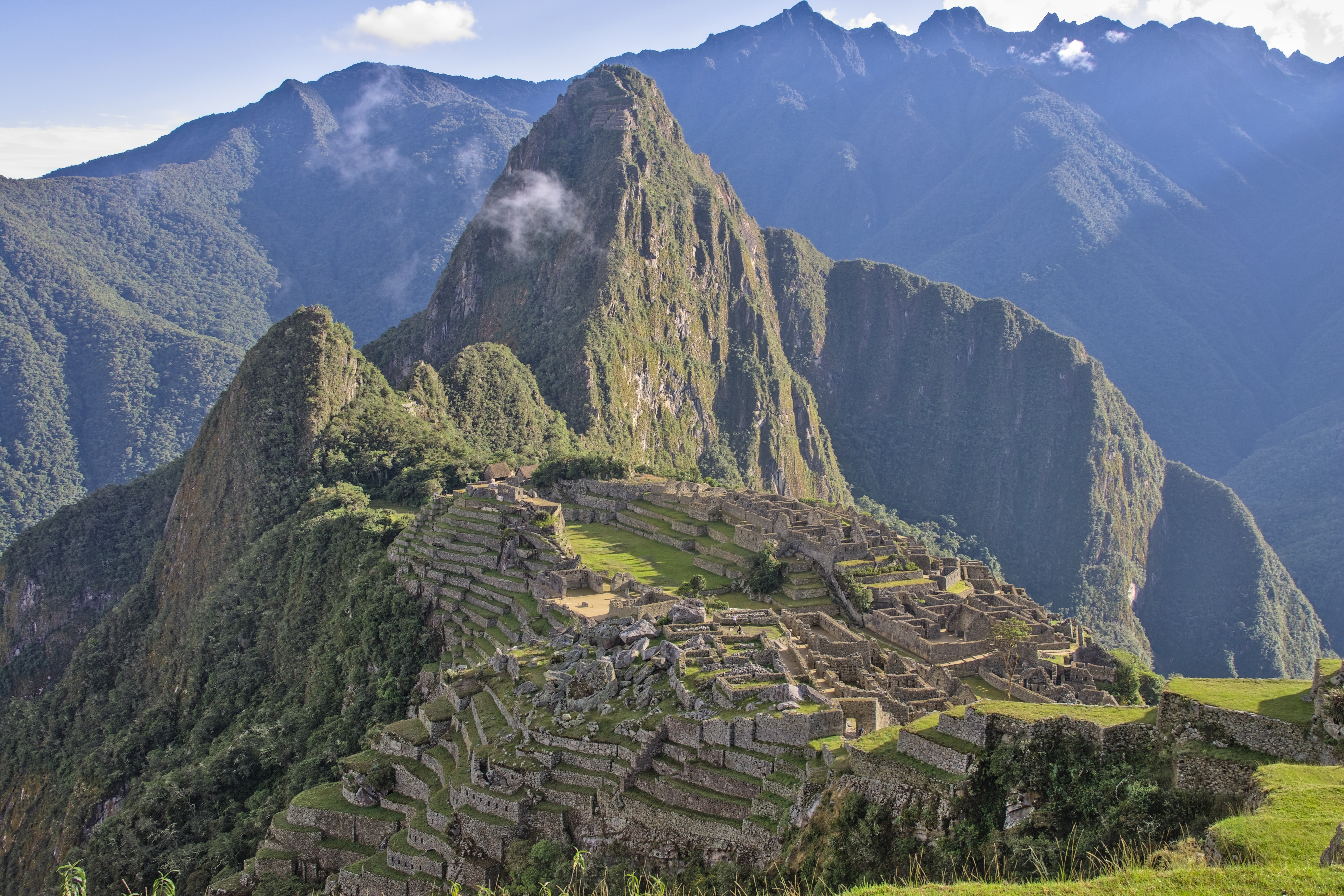
🏔️Machu Picchu
A sacred Inca citadel set high in the Andes, aligned with astronomical events.
⛪Vatican City (St. Peter's Basilica)
The spiritual center of Roman Catholicism and home of the Pope.
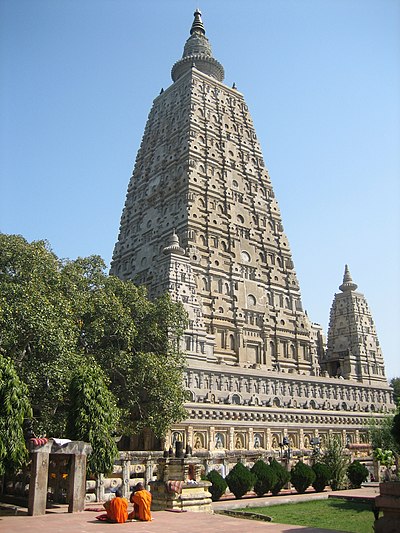
☸️Bodh Gaya (Mahabodhi Temple)
Where Siddhartha Gautama attained enlightenment and became the Buddha.

