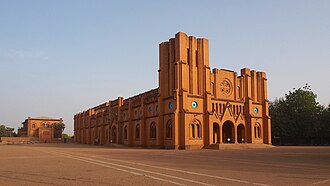
⛪ Ouagadougou Cathedral
Burkina Faso
About This Sacred Site
The Cathedral of the Immaculate Conception in Ouagadougou is the principal Catholic church of Burkina Faso, a country where Christianity coexists with Islam and traditional religions. Built in the early 20th century during the French colonial period, the cathedral has become a symbol of the Catholic faith in a nation known for its exceptional religious tolerance. Burkina Faso is one of the few countries in the Sahel where Christmas, Eid, and traditional ceremonies are all celebrated as national holidays. The cathedral's congregation reflects this spirit of peaceful coexistence.
History & Origins
Constructed in the early 1930s during the French colonial administration, the cathedral was designed in a blend of Romanesque and local architectural motifs, serving as the principal Catholic church of Burkina Faso's capital. The building was consecrated in 1934 by the Apostolic Vicar of Ouagadougou. Post-independence, the cathedral underwent significant renovations in 1976 and 2001 to accommodate growing congregations and structural needs. It houses the seat of the Archbishop of Ouagadougou, who has been a prominent figure in national religious affairs. The cathedral's stained glass windows depict scenes from the Bible contextualized with African cultural elements, reflecting a syncretic approach to Christian art. It remains a central venue for major liturgical events in the Burkinabé Catholic calendar.
Spiritual Significance
As the leading Catholic institution in Ouagadougou, the cathedral hosts the annual Easter Vigil, which draws thousands of worshippers for the commemoration of Christ's resurrection. The liturgy follows the Roman Rite, with sermons often incorporating references to the Burkinabé social context. The cathedral organizes catechism classes and sacramental preparation, including First Communion and Confirmation, led by clergy trained at the regional seminary. Its location in a religiously pluralistic society exemplifies the country's reputation for interfaith harmony, with occasional joint prayer services involving Muslim and Christian leaders. The cathedral also serves as a pilgrimage destination during the feast of the Assumption every August 15, with processions and special masses honoring the Virgin Mary.
Key Facts
- •Principal Catholic church of Burkina Faso's capital
- •Built during the French colonial period in the early 20th century
- •Burkina Faso is renowned for its religious tolerance
- •Christmas, Eid, and traditional festivals are all national holidays
- •The Catholic community represents about 20% of the population
Location
Coordinates: 12.3686, -1.5275
Frequently Asked Questions
What religion is Ouagadougou Cathedral associated with?▾
Ouagadougou Cathedral is a Christianity holy site located in Burkina Faso. It was established c. 1930s and is ranked #957 in our global directory of sacred sites.
When was Ouagadougou Cathedral established?▾
Ouagadougou Cathedral dates back to c. 1930s. Principal Catholic church of Burkina Faso's capital
How many people visit Ouagadougou Cathedral each year?▾
Ouagadougou Cathedral receives approximately 40,000 visitors per year. Built during the French colonial period in the early 20th century
What is Ouagadougou Cathedral known for?▾
The principal Catholic cathedral of Burkina Faso's capital city. Visitors come seeking blessings, peace, guidance. Burkina Faso is renowned for its religious tolerance
Related Holy Sites
Sacred places connected by country, religion, and purpose
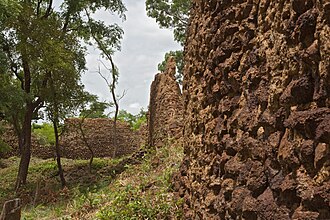
🏛️Ruins of Loropéni
Burkina Faso's only UNESCO World Heritage Site, mysterious stone ruins linked to gold trade.
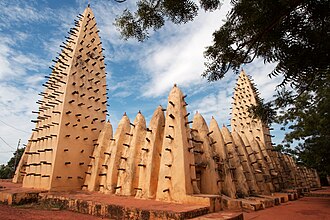
🕌Bobo-Dioulasso Grand Mosque
A striking Sudanese-style mud-brick mosque in Burkina Faso's second city.
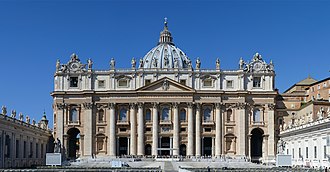
⛪Vatican City (St. Peter's Basilica)
The spiritual center of Roman Catholicism and home of the Pope.
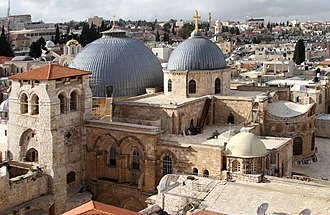
✝️Church of the Holy Sepulchre
The site where Jesus was crucified, buried, and resurrected.