
🏛️ Royal Palaces of Abomey
Benin
About This Sacred Site
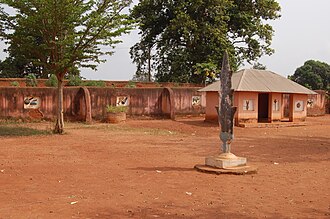
The Royal Palaces of Abomey are a UNESCO World Heritage Site comprising the remains of the palaces of twelve kings who ruled the Kingdom of Dahomey from 1625 to 1900. The palace complex served as both the political and spiritual center of the kingdom, where elaborate Vodun ceremonies were performed to honor royal ancestors and ensure the kingdom's prosperity. The famous bas-relief decorations on the palace walls depict the exploits and symbols of each king. The site preserves the spiritual legacy of one of West Africa's most powerful pre-colonial states.
History & Origins
The Royal Palaces of Abomey were constructed starting in 1625 by King Do-Aklin, founder of the Kingdom of Dahomey, with successive monarchs such as King Houegbadja and King Ghezo expanding the complex until 1900. The site includes twelve palaces built by twelve different kings, each featuring distinctive architecture combining earthen walls and bas-relief decorations that narrate royal history and mythology. The palaces served as political and ceremonial centers of Dahomey, a dominant West African kingdom noted for its military prowess and complex administration. French colonial forces captured Abomey in 1892, leading to partial destruction and reconstruction of palace structures. Recognized as a UNESCO World Heritage Site since 1985, the palaces today preserve artifacts like thrones, weapons, and regalia illustrating royal authority. Restoration projects have focused on maintaining the bas-reliefs, which uniquely depict events such as wars, rituals, and treaties in vivid detail.
Spiritual Significance
The palaces functioned as sacred spaces where kings performed religious rituals to legitimize their rule and communicate with Vodun deities, central to Dahomean spirituality. Annual ceremonies such as the “Annual Royal Ceremony” involve offerings to spirits and ancestors, invoking protection and prosperity for the kingdom. The bas-reliefs narrate myths connected to spirits like Mawu and Lisa, highlighting theological doctrines embedded in royal governance. Vodun priests conducted divination and sacrifice within palace courtyards to maintain harmony between the physical and spiritual realms. Pilgrims and dignitaries visited to pay homage during significant festivals, reinforcing political alliances. Oral histories preserved by palace griots emphasize the intertwined nature of monarchy and religion, reflecting the palaces’ role as both political hubs and spiritual sanctuaries.
Key Facts
- •UNESCO World Heritage Site since 1985
- •Twelve successive kings built palaces on the site from 1625 to 1900
- •The palace walls feature unique bas-relief decorations telling royal histories
- •Elaborate Vodun ceremonies were held to honor royal ancestors
- •The Kingdom of Dahomey was one of the most powerful West African states
Location
Coordinates: 7.1833, 1.9833
Frequently Asked Questions
What religion is Royal Palaces of Abomey associated with?▾
Royal Palaces of Abomey is a Indigenous holy site located in Benin. It was established 1625 and is ranked #599 in our global directory of sacred sites.
When was Royal Palaces of Abomey established?▾
Royal Palaces of Abomey dates back to 1625. UNESCO World Heritage Site since 1985
How many people visit Royal Palaces of Abomey each year?▾
Royal Palaces of Abomey receives approximately 60,000 visitors per year. Twelve successive kings built palaces on the site from 1625 to 1900
What is Royal Palaces of Abomey known for?▾
UNESCO World Heritage royal complex of the powerful Dahomey kingdom. Visitors come seeking ancestral connection, protection, guidance. The palace walls feature unique bas-relief decorations telling royal histories
Related Holy Sites
Sacred places connected by country, religion, and purpose
🪨Uluru (Ayers Rock)
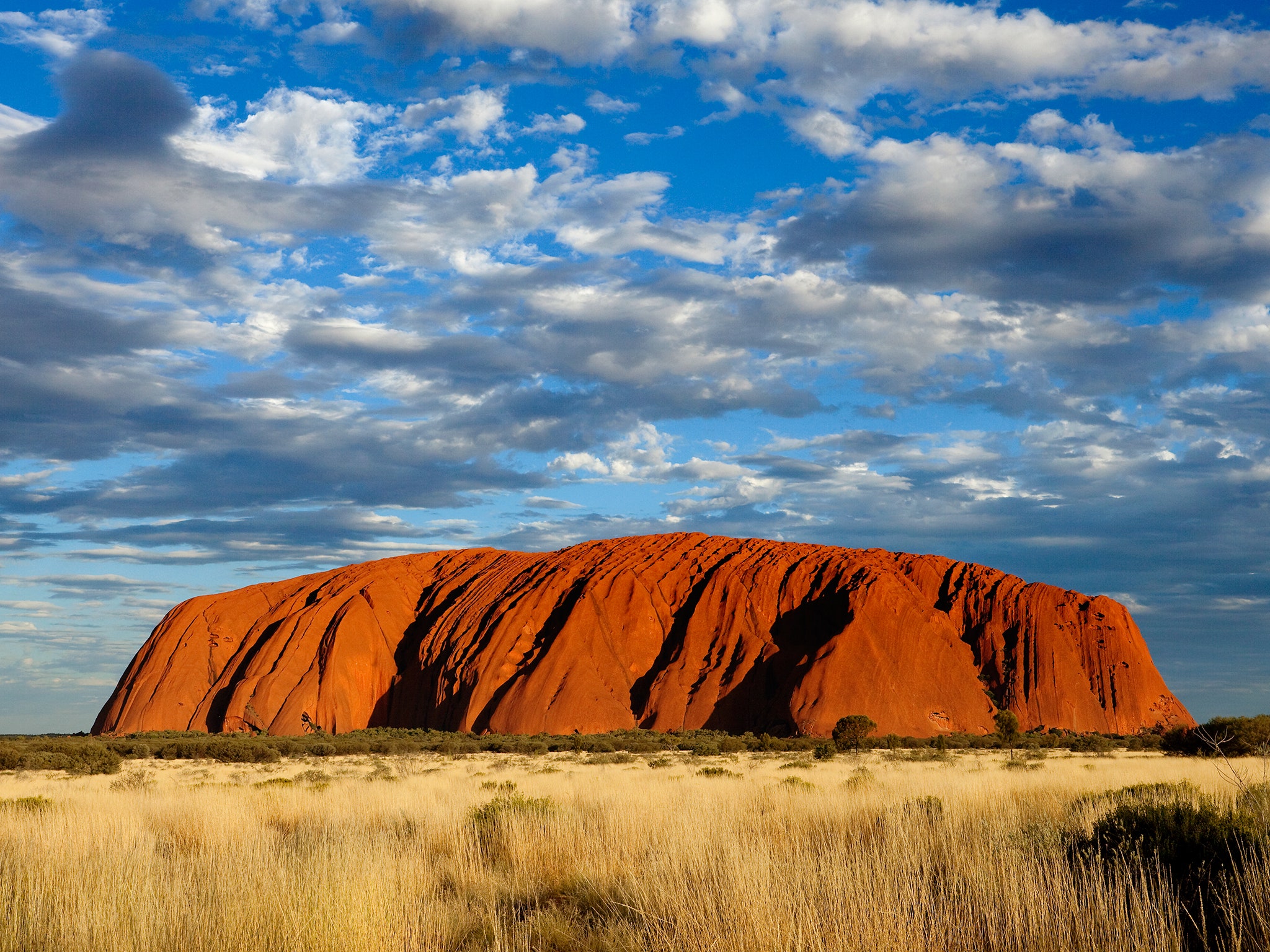
A sacred monolith central to Aboriginal Australian creation stories.
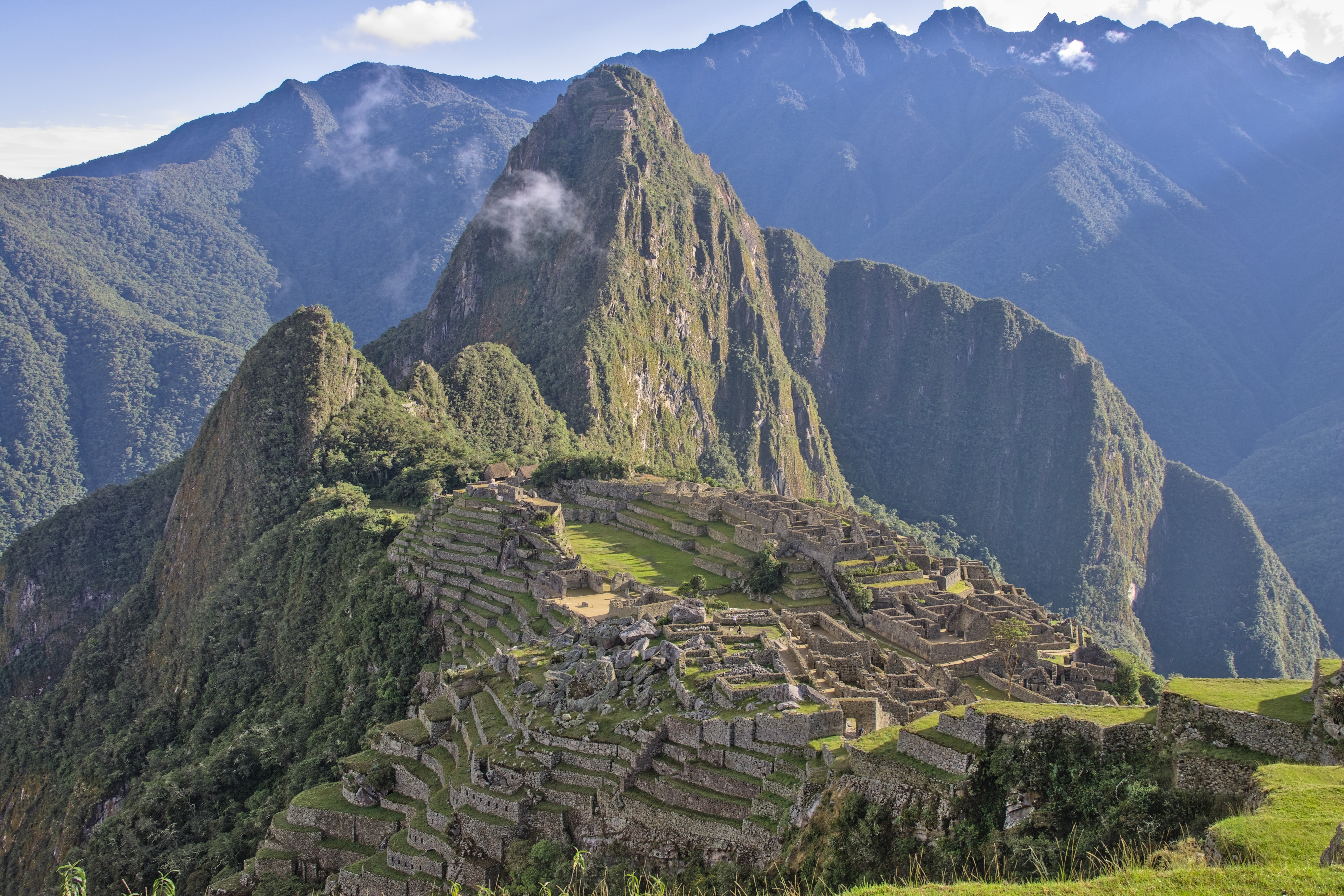
🏔️Machu Picchu
A sacred Inca citadel set high in the Andes, aligned with astronomical events.
⛪Vatican City (St. Peter's Basilica)
The spiritual center of Roman Catholicism and home of the Pope.
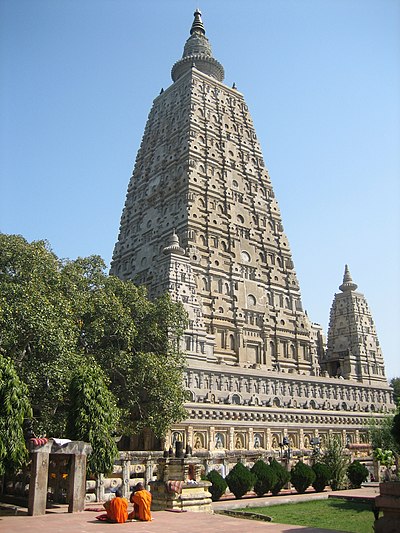
☸️Bodh Gaya (Mahabodhi Temple)
Where Siddhartha Gautama attained enlightenment and became the Buddha.

