
🏠 Ganvié Lake Village
Benin
About This Sacred Site
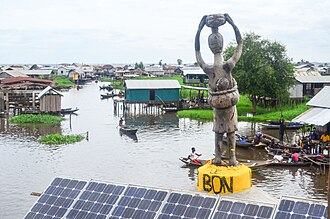
Ganvié is the largest lake village in Africa, built on stilts in Lake Nokoué near Cotonou, Benin. Founded in the 17th century by the Tofinu people fleeing the Dahomey kingdom's slave raids, the village was established on the lake because the Dahomey's Vodun religion forbade its warriors from entering water. The village has its own Vodun shrines, water-based spiritual practices, and ancestral traditions centered on the lake. Ganvié's 30,000 residents maintain a unique amphibious way of life imbued with spiritual significance.
Spiritual Significance
Established in the 17th century as a sanctuary from Dahomey kingdom slave raids, this lake village embodies the Vodun religious traditions central to its founding peoples. Pilgrims participate annually in the Zangbeto festival, invoking ancestral spirits through masquerade dances believed to provide protection and purification. The village's stilt houses on Lake Nokoué symbolize a harmonious coexistence with water spirits, revered in local Vodun scriptures such as the Odu Ifa. Traditional priests known as Togbui perform divination rites using cowrie shells, guiding communal decisions and spiritual health. The prohibition by the Dahomey kingdom against land settlement led to the emergence of waterborne rituals unique to this population of approximately 30,000, who maintain daily offerings to Mami Wata, a water deity associated with fertility and healing.
Key Facts
- •The largest lake village in Africa, home to approximately 30,000 people
- •Founded in the 17th century as a refuge from slave raids
- •The Dahomey kingdom's religious prohibition against entering water protected the village
- •Contains Vodun shrines and water-based spiritual practices
- •Known as the 'Venice of Africa'
Location
Coordinates: 6.4667, 2.4167
Frequently Asked Questions
What religion is Ganvié Lake Village associated with?▾
Ganvié Lake Village is a Indigenous holy site located in Benin. It was established c. 1600s and is ranked #818 in our global directory of sacred sites.
When was Ganvié Lake Village established?▾
Ganvié Lake Village dates back to c. 1600s. The largest lake village in Africa, home to approximately 30,000 people
How many people visit Ganvié Lake Village each year?▾
Ganvié Lake Village receives approximately 30,000+ visitors per year. Founded in the 17th century as a refuge from slave raids
What is Ganvié Lake Village known for?▾
Africa's largest lake village, built as a spiritual and physical refuge on Lake Nokoué. Visitors come seeking ancestral connection, protection, healing, peace. The Dahomey kingdom's religious prohibition against entering water protected the village
Related Holy Sites
Sacred places connected by country, religion, and purpose
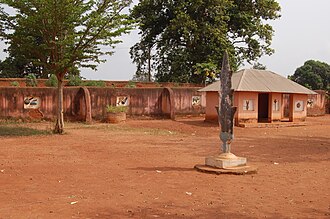
🏛️Royal Palaces of Abomey
UNESCO World Heritage royal complex of the powerful Dahomey kingdom.
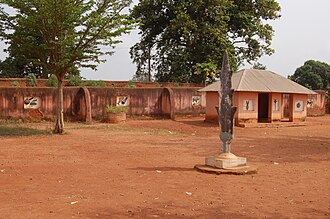
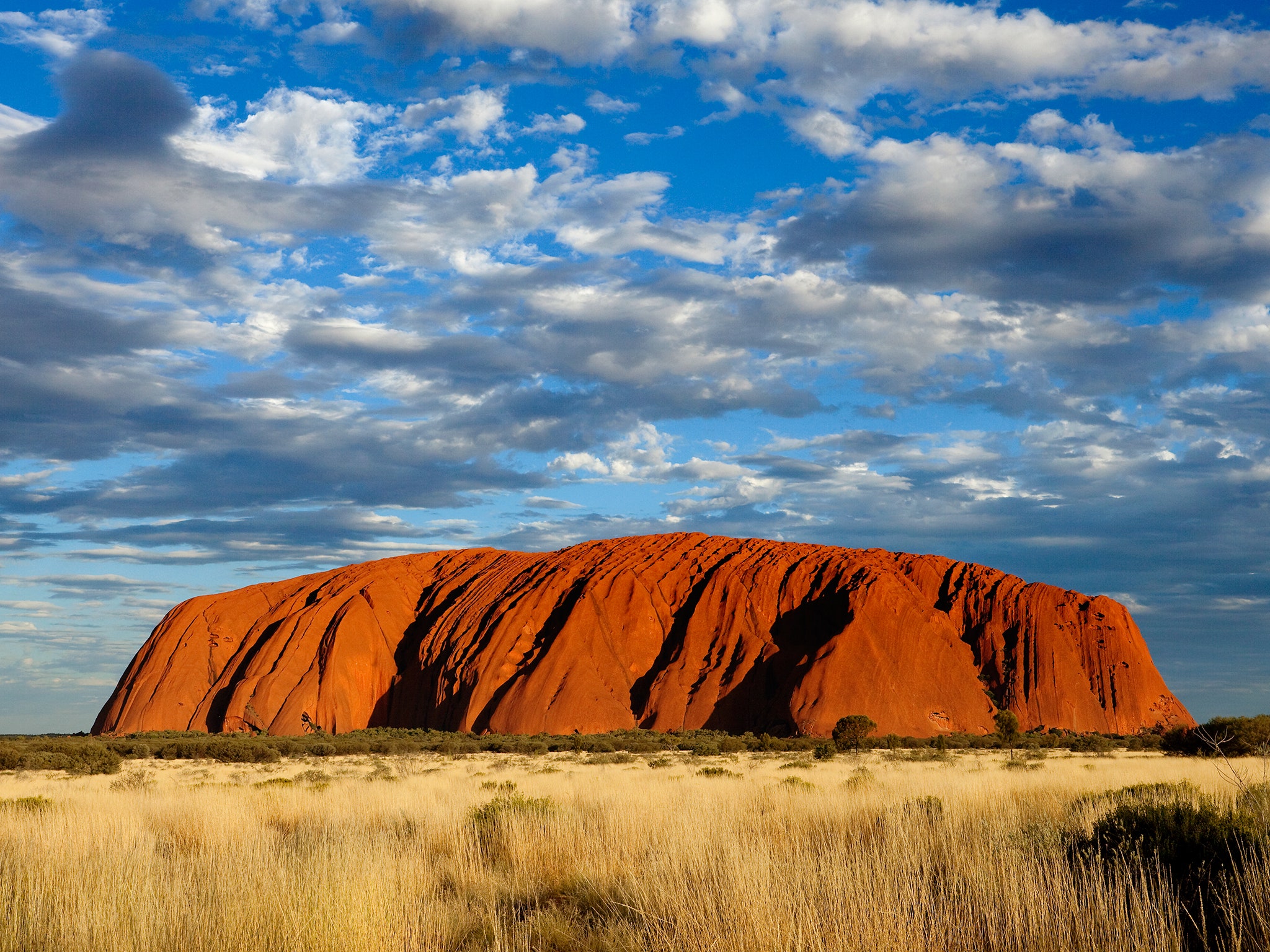
🪨Uluru (Ayers Rock)
A sacred monolith central to Aboriginal Australian creation stories.
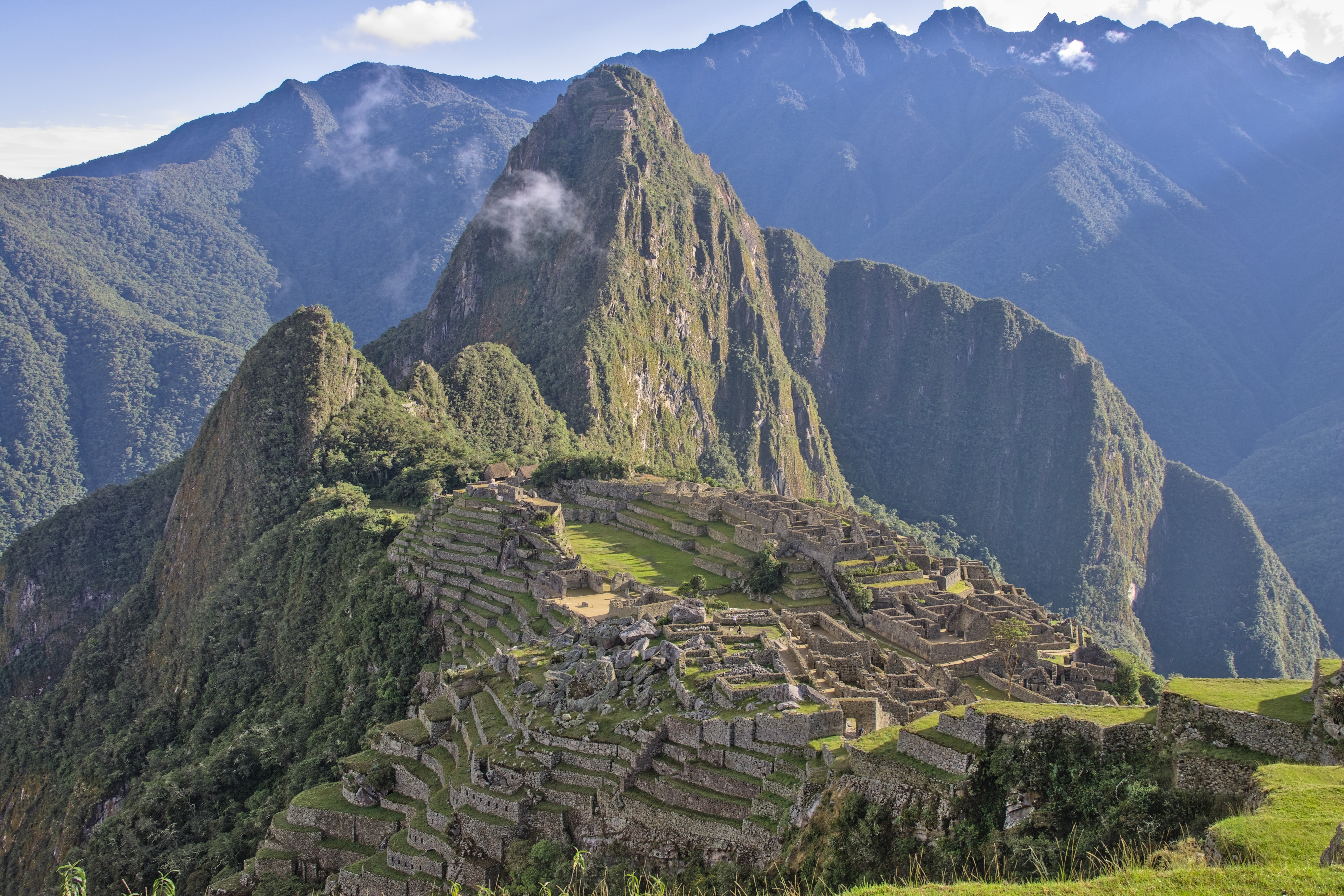
🏔️Machu Picchu
A sacred Inca citadel set high in the Andes, aligned with astronomical events.
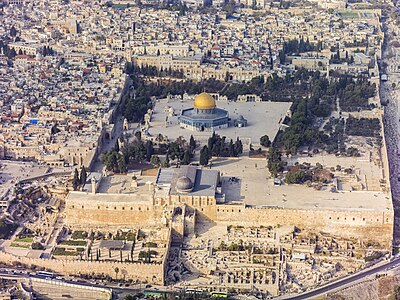
🕌Temple Mount / Al-Aqsa (Jerusalem)
Sacred to Judaism, Christianity, and Islam — the most contested holy site on Earth.
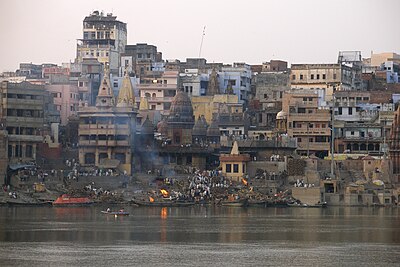
🙏Varanasi (Kashi Vishwanath Temple)
The holiest city in Hinduism, where the Ganges River purifies the soul.

