
👑 Royal Palaces of Abomey
Benin
About This Sacred Site
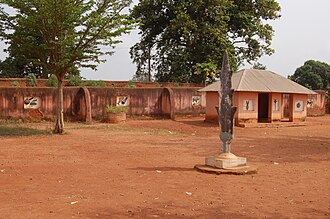
The Royal Palaces of Abomey are a UNESCO World Heritage Site comprising the palaces of 12 kings of the Dahomey kingdom, which ruled from the 17th to the 19th century. The palaces were centers of Vodun spiritual practice, where elaborate ceremonies were conducted to communicate with ancestral spirits and deities. The bas-reliefs adorning the palace walls depict the martial and spiritual exploits of each king. The annual Yam Festival (Hwetanu) conducted at the palaces combines ancestral veneration with royal commemoration.
History & Origins
Constructed beginning in 1625 under King Houegbadja, the palaces served as the political and spiritual seat of the Dahomey kingdom until 1900. The complex, declared a UNESCO World Heritage Site in 1985, comprises the residences of twelve successive kings, each contributing architectural innovations such as bas-reliefs depicting military victories and religious motifs. Throughout the 18th century, the palaces were expanded to include courtyards for Vodun ceremonies, reflecting the integration of governance and spirituality. French colonial forces captured Abomey in 1892, leading to partial destruction, but restoration efforts in the 20th century preserved key structures like the Temple of the King and the Hall of the Generals. The palaces are constructed using local materials including earth and palm wood, showcasing the Sudano-Guinean architectural style.
Spiritual Significance
Vodun rituals held within the palaces were integral to royal authority, with kings performing annual ceremonies invoking spirits for protection and prosperity, as recorded in Dahomey oral traditions. The sacred bas-reliefs narrate mythological tales linked to spirits such as Mawu-Lisa, underpinning the kingdom's cosmology. Priests conducted sacrifices and divination rites in the palaces' shrines to maintain spiritual balance, guided by esoteric knowledge transmitted through generations. Festivals like the Annual Xwetanu commemorate the founding of the kingdom, involving masquerades and offerings to ancestors. Pilgrims and local adherents visit the site to seek blessings from the royal spirits, adhering to protocols detailed in the Fon spiritual codices. The palaces thus functioned as both political centers and loci of spiritual power sustaining Dahomey society.
Key Facts
- •UNESCO World Heritage Site since 1985
- •Comprises palaces of 12 kings of the Dahomey kingdom (1625–1900)
- •Vodun ceremonies were central to royal governance and spirituality
- •Unique bas-relief wall decorations tell the history of each king
- •The last palace was built by King Agoli-Agbo before French colonial conquest
Location
Coordinates: 7.1833, 1.9833
Frequently Asked Questions
What religion is Royal Palaces of Abomey associated with?▾
Royal Palaces of Abomey is a Indigenous holy site located in Benin. It was established c. 1625 and is ranked #643 in our global directory of sacred sites.
When was Royal Palaces of Abomey established?▾
Royal Palaces of Abomey dates back to c. 1625. UNESCO World Heritage Site since 1985
How many people visit Royal Palaces of Abomey each year?▾
Royal Palaces of Abomey receives approximately 40,000+ visitors per year. Comprises palaces of 12 kings of the Dahomey kingdom (1625–1900)
What is Royal Palaces of Abomey known for?▾
UNESCO-listed palaces of the Dahomey kings, centers of Vodun spiritual practices and royal ceremony. Visitors come seeking ancestral connection, protection, guidance, blessings. Vodun ceremonies were central to royal governance and spirituality
Related Holy Sites
Sacred places connected by country, religion, and purpose
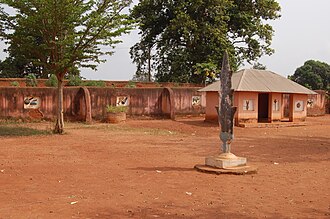
🏛️Royal Palaces of Abomey
UNESCO World Heritage royal complex of the powerful Dahomey kingdom.
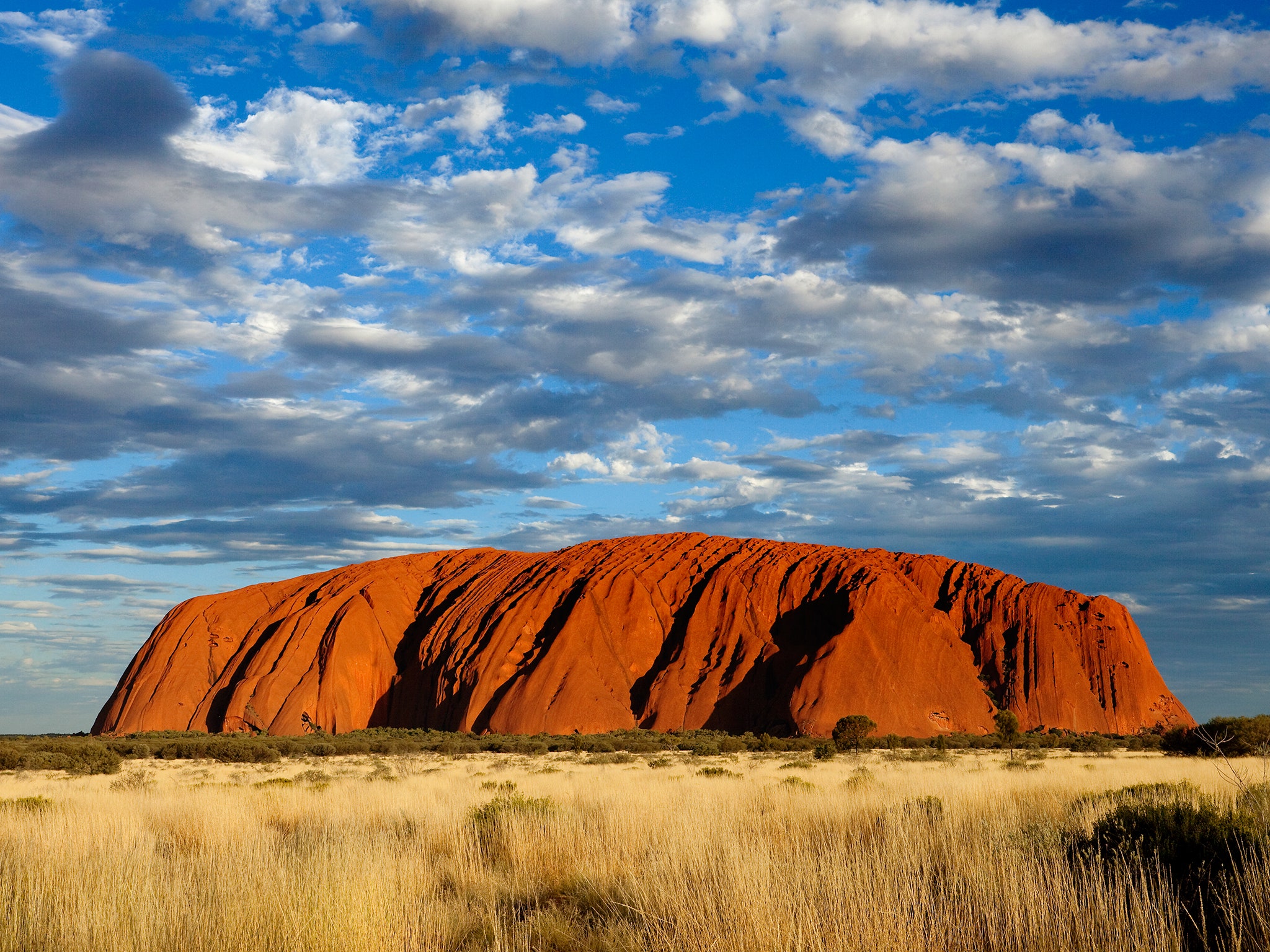
🪨Uluru (Ayers Rock)
A sacred monolith central to Aboriginal Australian creation stories.
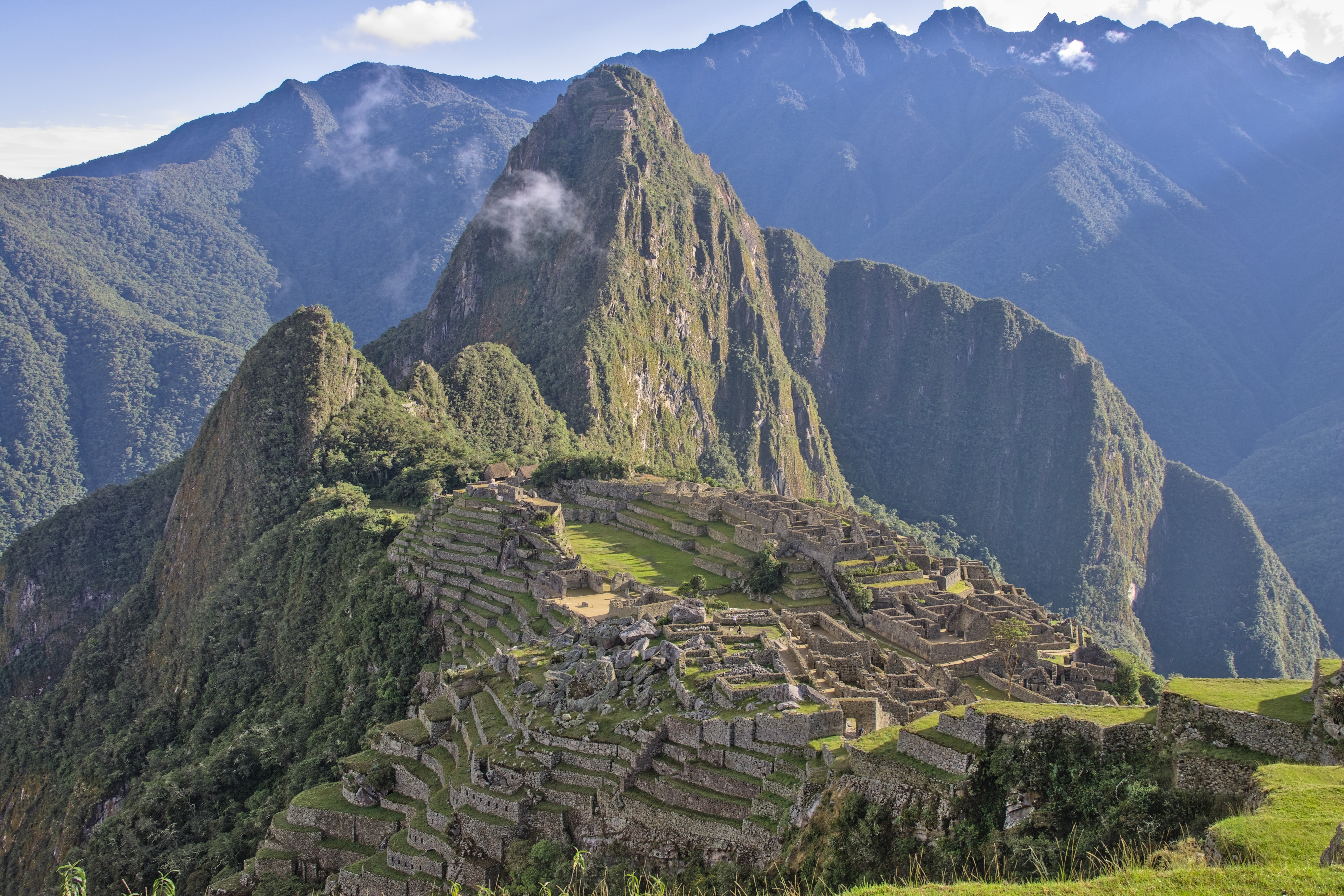
🏔️Machu Picchu
A sacred Inca citadel set high in the Andes, aligned with astronomical events.
⛪Vatican City (St. Peter's Basilica)
The spiritual center of Roman Catholicism and home of the Pope.
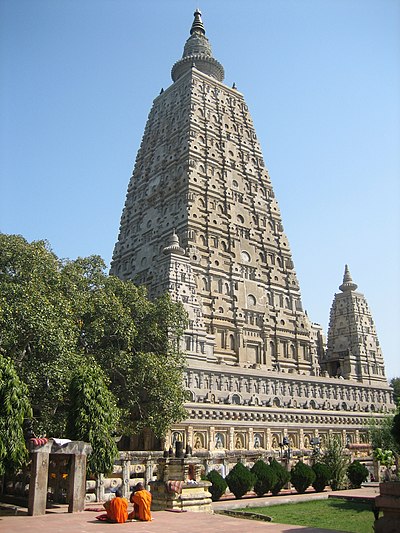
☸️Bodh Gaya (Mahabodhi Temple)
Where Siddhartha Gautama attained enlightenment and became the Buddha.

