☸️ Pha That Luang (Vientiane)
Laos
About This Sacred Site
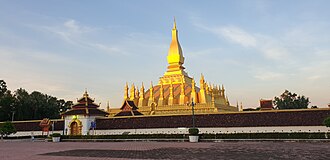
Pha That Luang ('Great Sacred Stupa') is the most important national monument in Laos and the country's most sacred Buddhist site. Located in Vientiane, the golden stupa is said to enshrine a breastbone relic of the Buddha. Originally built in the 3rd century BCE by envoys of the Indian Emperor Ashoka, the current structure dates primarily from the 16th century under King Setthathirath. The stupa appears on Laos's national emblem and is the focal point of the annual That Luang Festival, the country's largest religious celebration.
History & Origins
The original stupa at Pha That Luang dates back to the 3rd century BCE, believed to have been established during the reign of Emperor Ashoka or his emissaries to enshrine a Buddha relic. King Setthathirath rebuilt the complex in 1566 after relocating the capital to Vientiane, designing the structure in the traditional Lao architectural style with a large central gold-covered stupa rising 45 meters high. The monument suffered destruction in invasions by the Siamese army in 1828 and during the Franco-Siamese conflicts but was reconstructed in 1930 by the French colonial administration. Archaeological studies have dated the current structure to this 20th-century restoration, yet it preserves the original 16th-century layout. Pha That Luang is designated as a national symbol of Laos and is featured on the country's flag and currency, underscoring its historical and cultural prominence.
Spiritual Significance
Regarded as the most sacred Buddhist monument in Laos, the stupa is believed to enshrine a breastbone relic of Gautama Buddha, making it a central pilgrimage site during the annual That Luang Festival held every November. The festival includes almsgiving ceremonies where thousands of devotees offer food and gifts to monks, reflecting Theravāda Buddhist practices documented in the Tipitaka scriptures. Devotees circumambulate the golden stupa three times clockwise, symbolizing respect and reverence for the Triple Gem: the Buddha, the Dharma, and the Sangha. The stupa's lotus-bud design represents purity and enlightenment, key concepts in Buddhist cosmology. Monks chant Pali suttas, including the Metta Sutta, during ceremonies, emphasizing loving-kindness as taught by the Buddha. The site also functions as a center for monastic education and meditation retreats, preserving Lao Buddhist traditions.
Key Facts
- •The most important national monument and symbol of Laos
- •Said to enshrine a relic of the Buddha from the 3rd century BCE
- •The current structure was built by King Setthathirath in 1566
- •The golden stupa rises to 45 meters and is surrounded by 30 small stupas
- •The annual That Luang Festival draws thousands of devotees and monks
Location
Coordinates: 17.9764, 102.6336
Frequently Asked Questions
What religion is Pha That Luang (Vientiane) associated with?▾
Pha That Luang (Vientiane) is a Buddhism holy site located in Laos. It was established c. 3rd century BCE (original) and is ranked #225 in our global directory of sacred sites.
When was Pha That Luang (Vientiane) established?▾
Pha That Luang (Vientiane) dates back to c. 3rd century BCE (original). The most important national monument and symbol of Laos
How many people visit Pha That Luang (Vientiane) each year?▾
Pha That Luang (Vientiane) receives approximately 500,000+ visitors per year. Said to enshrine a relic of the Buddha from the 3rd century BCE
What is Pha That Luang (Vientiane) known for?▾
The national symbol of Laos, a golden Buddhist stupa said to enshrine a relic of the Buddha. Visitors come seeking pilgrimage, blessings, peace, spiritual enlightenment. The current structure was built by King Setthathirath in 1566
Related Holy Sites
Sacred places connected by country, religion, and purpose
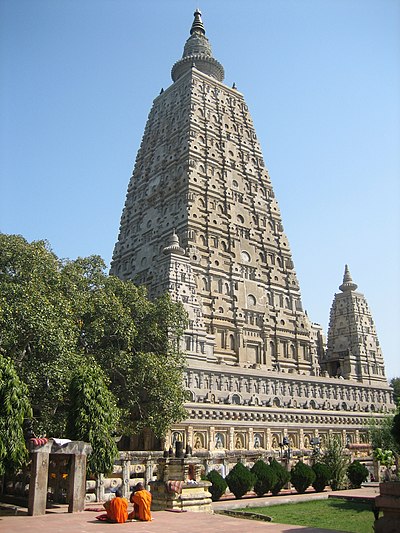
☸️Bodh Gaya (Mahabodhi Temple)
Where Siddhartha Gautama attained enlightenment and became the Buddha.
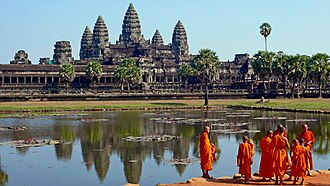
🛕Angkor Wat
The largest religious monument in the world, originally Hindu then Buddhist.