⛰️ Perfume Pagoda (Chùa Hương)
Vietnam
About This Sacred Site
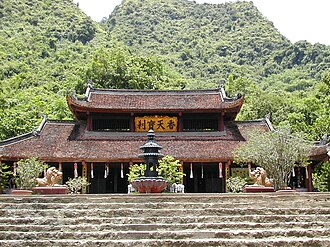
The Perfume Pagoda (Chùa Hương) is a vast complex of Buddhist temples and shrines built into the Huong Tich limestone mountains southwest of Hanoi. The site includes the Huong Tich Cave, where the main shrine is located inside a spectacular cavern. The annual Perfume Pagoda Festival, lasting from January to March, is the largest pilgrimage event in Vietnam, drawing millions of devotees who travel by boat along the Yen Stream and climb to the mountain temples. The journey is considered as important as the destination.
History & Origins
The Perfume Pagoda (Chùa Hương) in Vietnam is a vast Buddhist complex nestled in the limestone Huong Tich mountains southwest of Hanoi, with origins dating back to the 15th century. The site comprises numerous temples, shrines, and grottoes integrated into a karst landscape, accessed by boat and hiking trails. The pagoda is dedicated to the Bodhisattva of Compassion, Avalokiteshvara, and has long been a pilgrimage destination, especially during the annual Perfume Pagoda Festival from January to April. Over centuries, the site expanded with additions of meditation halls and sacred springs, blending natural beauty with spiritual practice. It remains a symbol of Vietnamese Buddhist devotion, drawing millions who seek blessings, meditation, and connection with nature.
Spiritual Significance
The Perfume Pagoda pilgrimage, centered on the Huong Tich Cave shrine within a limestone karst mountain range, dates back to the 15th century and attracts millions during the spring festival from February to April. Pilgrims journey by boat along the Yen River before ascending mountain trails to access the cave temple, which houses statues of the Buddha and Avalokiteshvara, reflecting a syncretism of Mahayana Buddhist and local animist beliefs. The festival includes the recitation of Buddhist scriptures, such as the Lotus Sutra, and offerings of lotus flowers and incense, symbolizing purity and spiritual awakening. Ritual bathing in the Thiên Trù Pagoda's spring waters is believed to grant blessings and health. The pilgrimage epitomizes Vietnamese Buddhist devotional practices emphasizing merit-making and filial piety, with the Huong Tich Cave's natural stalactites revered as manifestations of divine presence. The site also hosts traditional folk performances during the festival, integrating cultural and religious dimensions.
Key Facts
- •Vietnam's largest annual pilgrimage, drawing millions during the spring festival
- •The main shrine is located inside the spectacular Huong Tich Cave
- •Pilgrims travel by boat along the Yen Stream to reach the temples
- •The complex includes dozens of temples and shrines on the mountainside
- •The festival runs from January to March each year
Location
Coordinates: 20.6175, 105.7472
Frequently Asked Questions
What religion is Perfume Pagoda (Chùa Hương) associated with?▾
Perfume Pagoda (Chùa Hương) is a Buddhism holy site located in Vietnam. It was established c. 15th century and is ranked #177 in our global directory of sacred sites.
When was Perfume Pagoda (Chùa Hương) established?▾
Perfume Pagoda (Chùa Hương) dates back to c. 15th century. Vietnam's largest annual pilgrimage, drawing millions during the spring festival
How many people visit Perfume Pagoda (Chùa Hương) each year?▾
Perfume Pagoda (Chùa Hương) receives approximately 1.5+ million visitors per year. The main shrine is located inside the spectacular Huong Tich Cave
What is Perfume Pagoda (Chùa Hương) known for?▾
A complex of Buddhist temples and shrines set in limestone caves, Vietnam's largest annual pilgrimage site. Visitors come seeking pilgrimage, purification, healing, blessings. Pilgrims travel by boat along the Yen Stream to reach the temples
Related Holy Sites
Sacred places connected by country, religion, and purpose
🏛️Mỹ Sơn Sanctuary
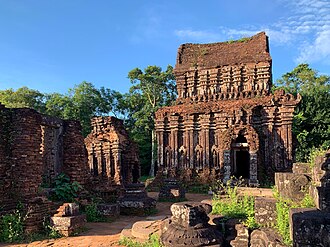
A UNESCO-listed complex of Hindu temples built by the Champa civilization in central Vietnam.
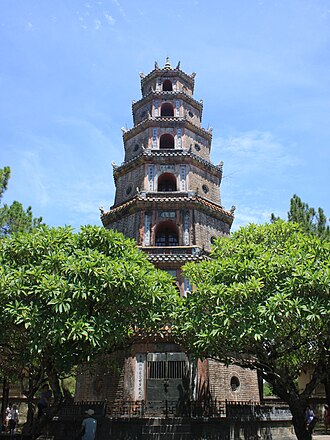
☸️Thiên Mụ Pagoda (Huế)
A 400-year-old pagoda on the Perfume River, the tallest religious building in Vietnam.
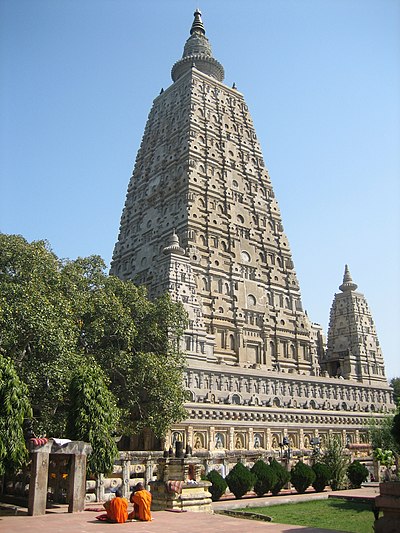
☸️Bodh Gaya (Mahabodhi Temple)
Where Siddhartha Gautama attained enlightenment and became the Buddha.
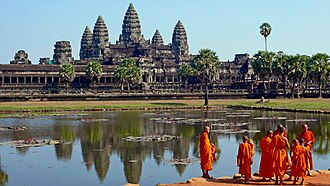
🛕Angkor Wat
The largest religious monument in the world, originally Hindu then Buddhist.