
🏛️ Mỹ Sơn Sanctuary
Vietnam
About This Sacred Site
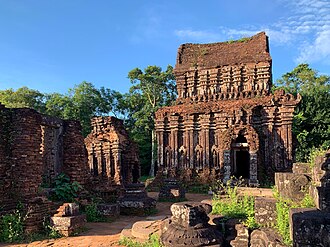
Mỹ Sơn Sanctuary is a cluster of abandoned Hindu temples in central Vietnam, built by the Champa civilization between the 4th and 13th centuries. A UNESCO World Heritage Site, the complex was the religious and spiritual capital of the Champa kingdom, dedicated primarily to the worship of Shiva. Set in a lush valley surrounded by mountains, the temples feature intricate brick carvings and Sanskrit inscriptions. The site was heavily damaged during the Vietnam War but remains a powerful testament to the Hindu heritage of Southeast Asia.
History & Origins
The Mỹ Sơn Sanctuary was constructed beginning in the 4th century CE by the Champa civilization, serving as a religious center until the 13th century. The complex comprises over 70 Hindu temple structures, primarily dedicated to Shiva, reflecting Champa kings' devotion and political authority. Renovations and expansions occurred notably during the reign of King Bhadravarman I in the 5th century and King Jaya Simhavarman II in the 9th century, incorporating red brick and sandstone architecture with intricate bas-reliefs. The site suffered damage during the 20th century due to American bombing in the Vietnam War but was designated a UNESCO World Heritage Site in 1999, recognizing its cultural and historical significance. Archaeological efforts have uncovered Cham inscriptions and relics, shedding light on the Hindu religious practices and Champa’s interactions with Indian culture. Mỹ Sơn remains a critical testimony to the Champa kingdom’s religious and artistic achievements.
Spiritual Significance
Dedicated primarily to Shiva, Mỹ Sơn Sanctuary functioned as a ritual center where Champa kings were consecrated through elaborate ceremonies invoking Hindu deities, as detailed in Sanskrit inscriptions found on-site. The temples' orientation and layout follow Hindu cosmology, symbolizing Mount Kailash, Shiva’s mythological abode. Rituals included fire sacrifices (yajna) and offerings of flowers, sandalwood, and incense, performed by Brahmin priests to ensure divine protection and legitimacy of royal authority. Festivals aligned with lunar calendars celebrated Shiva and other deities, integrating Cham animist practices with Hindu theology. Pilgrims and local worshippers historically engaged in meditation and recitation of Vedic hymns, fostering spiritual merit and community cohesion. The sanctuary's sculptures and reliefs depict scenes from the Ramayana and Mahabharata, serving as theological narratives reinforcing moral and cosmic order according to Hindu doctrines.
Key Facts
- •UNESCO World Heritage Site since 1999
- •Built by the Champa civilization between the 4th and 13th centuries
- •Dedicated primarily to the Hindu god Shiva
- •Often compared to Angkor Wat in Cambodia and Borobudur in Indonesia
- •Heavily bombed during the Vietnam War but partially restored
Location
Coordinates: 15.7644, 108.1144
Frequently Asked Questions
What religion is Mỹ Sơn Sanctuary associated with?▾
Mỹ Sơn Sanctuary is a Hinduism holy site located in Vietnam. It was established c. 4th century CE and is ranked #171 in our global directory of sacred sites.
When was Mỹ Sơn Sanctuary established?▾
Mỹ Sơn Sanctuary dates back to c. 4th century CE. UNESCO World Heritage Site since 1999
How many people visit Mỹ Sơn Sanctuary each year?▾
Mỹ Sơn Sanctuary receives approximately 300,000+ visitors per year. Built by the Champa civilization between the 4th and 13th centuries
What is Mỹ Sơn Sanctuary known for?▾
A UNESCO-listed complex of Hindu temples built by the Champa civilization in central Vietnam. Visitors come seeking ancestral connection, spiritual enlightenment, guidance, meditation. Dedicated primarily to the Hindu god Shiva
Related Holy Sites
Sacred places connected by country, religion, and purpose
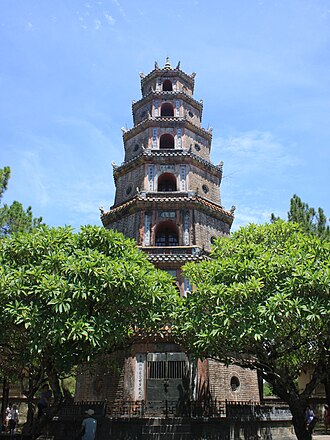
☸️Thiên Mụ Pagoda (Huế)
A 400-year-old pagoda on the Perfume River, the tallest religious building in Vietnam.
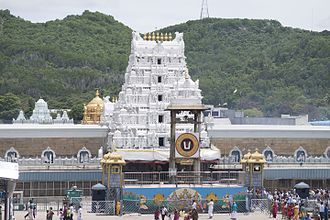
🛕Tirupati (Tirumala Venkateswara Temple)
The richest and most visited Hindu temple in the world.
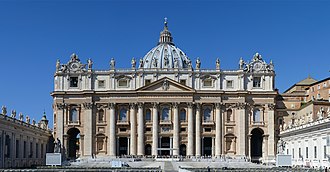
⛪Vatican City (St. Peter's Basilica)
The spiritual center of Roman Catholicism and home of the Pope.
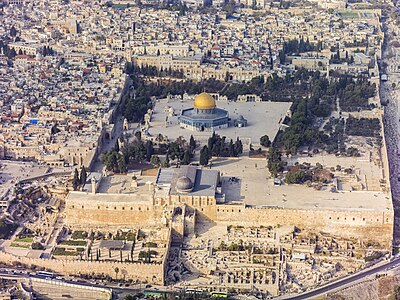
🕌Temple Mount / Al-Aqsa (Jerusalem)
Sacred to Judaism, Christianity, and Islam — the most contested holy site on Earth.

