
🏘️ Navala Village
Fiji
About This Sacred Site
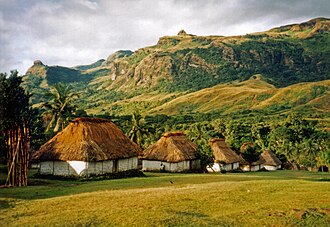
Navala is the last village in Fiji where all homes are built in the traditional thatched bure style, nestled in the Ba Highlands of Viti Levu. The village of approximately 200 bure maintains traditional Fijian customs including the sevusevu (kava ceremony) to welcome visitors, the role of the chief, and communal spiritual practices. The village layout follows ancient Fijian spatial codes, with the chief's bure, spirit house, and communal gathering area positioned according to traditional protocol. It is considered a living museum of indigenous Fijian culture.
History & Origins
Navala Village in the Ba Highlands is one of Fiji's oldest continuously inhabited settlements, with traditional occupation dating back several centuries as documented by anthropological studies in the 20th century. The village comprises approximately 200 thatched bure, constructed using native timbers and palm leaves following indigenous architectural methods passed down through generations. Unlike other Fijian villages, Navala has preserved its traditional layout, with houses arranged in three clusters aligned according to clan affiliations and social hierarchy. In the 1980s, the village was declared a heritage site by the Fijian government to protect its unique cultural and architectural integrity. Efforts to maintain the thatched roofing involve annual communal repairs, especially before the cyclone season, reflecting collective stewardship practices. Visitor access is regulated by village elders who require guests to participate in a traditional welcome ceremony called sevusevu, involving the presentation of kava root, a ritual symbolizing respect and inclusion. The village remains a living example of indigenous Fijian social organization and craftsmanship.
Spiritual Significance
The traditional thatched bure are more than residential structures; they embody ancestral spirits and serve as sites for rituals invoking the gods of land and sea, consistent with Fijian animist beliefs recorded in the Bure Kalou (house of worship) ceremonies. Seasonal festivals like the Lovo Feast coincide with harvest periods, where communal cooking pits are used to prepare food offerings for chiefs and deities, reinforcing social bonds and spiritual reciprocity. The village chief (turaga) oversees rituals that include the recitation of genealogies and prayers to ancestral spirits, invoking protection and prosperity. Pilgrims visiting Navala often observe or participate in the kava ceremony, a spiritual practice that facilitates mediation between the physical and spiritual realms. Oral traditions preserved by elders recount the origins of the village and its spiritual mandates, reflecting themes present in the Fijian creation chant known as the 'Meke.' The village's enduring adherence to these customs exemplifies the integration of daily life with indigenous spirituality.
Key Facts
- •The only remaining village in Fiji where all structures are traditional thatched bure
- •Approximately 200 bure house the village's community in the Ba Highlands
- •Visitors must participate in a sevusevu (kava ceremony) before being welcomed
- •Village governance follows traditional Fijian chiefly hierarchy
- •The village layout follows ancient spatial protocols for the positioning of sacred and communal spaces
Location
Coordinates: -17.7117, 177.7097
Frequently Asked Questions
What religion is Navala Village associated with?▾
Navala Village is a Indigenous holy site located in Fiji. It was established Ancient (continuous settlement) and is ranked #1005 in our global directory of sacred sites.
When was Navala Village established?▾
Navala Village dates back to Ancient (continuous settlement). The only remaining village in Fiji where all structures are traditional thatched bure
How many people visit Navala Village each year?▾
Navala Village receives approximately 10,000 visitors per year. Approximately 200 bure house the village's community in the Ba Highlands
What is Navala Village known for?▾
Fiji's only remaining village of traditional thatched bure dwellings, where ancestral customs and ceremonies are maintained. Visitors come seeking ancestral connection, peace, spiritual enlightenment, purification. Visitors must participate in a sevusevu (kava ceremony) before being welcomed
Related Holy Sites
Sacred places connected by country, religion, and purpose
🪨Uluru (Ayers Rock)
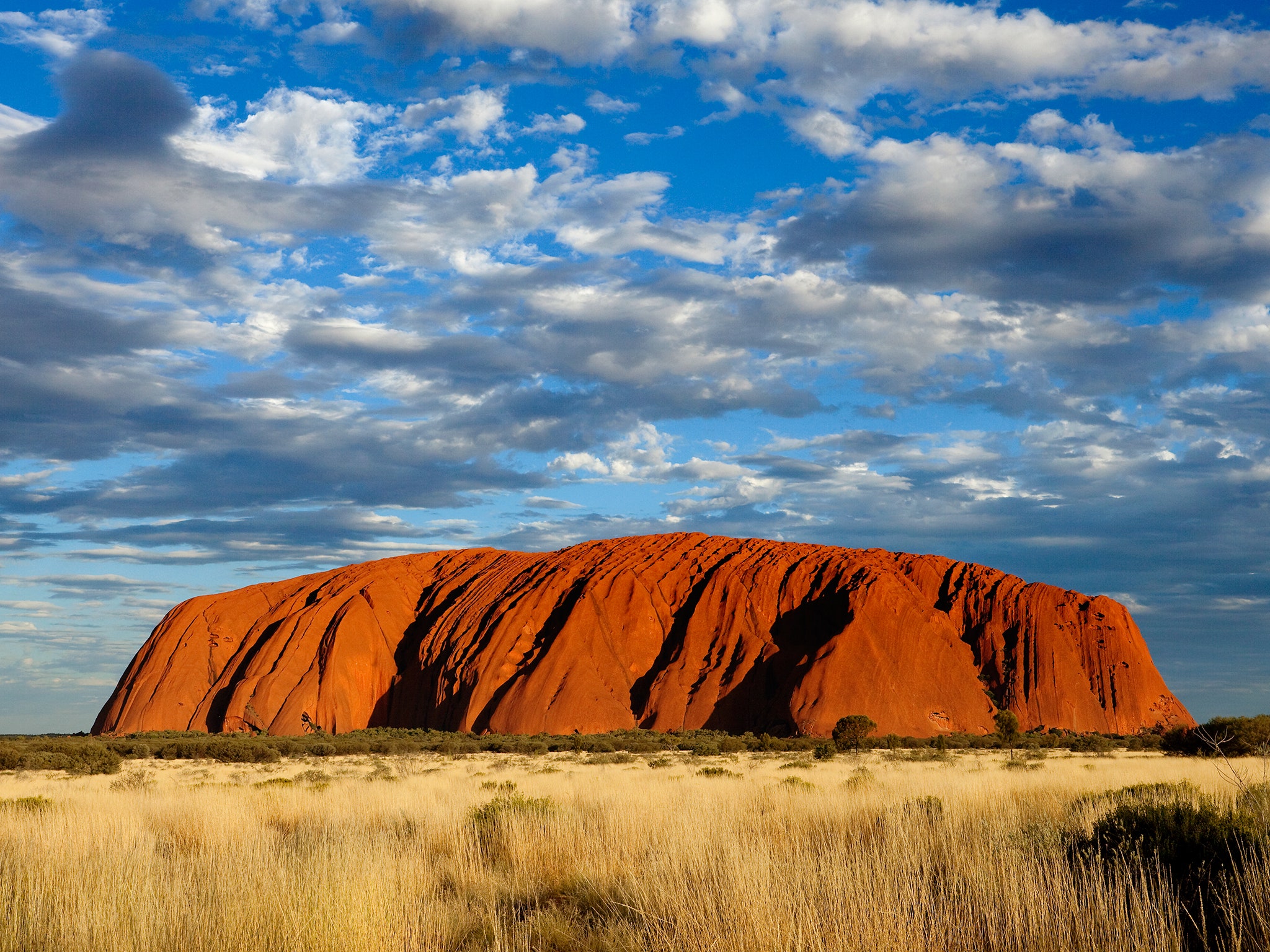
A sacred monolith central to Aboriginal Australian creation stories.
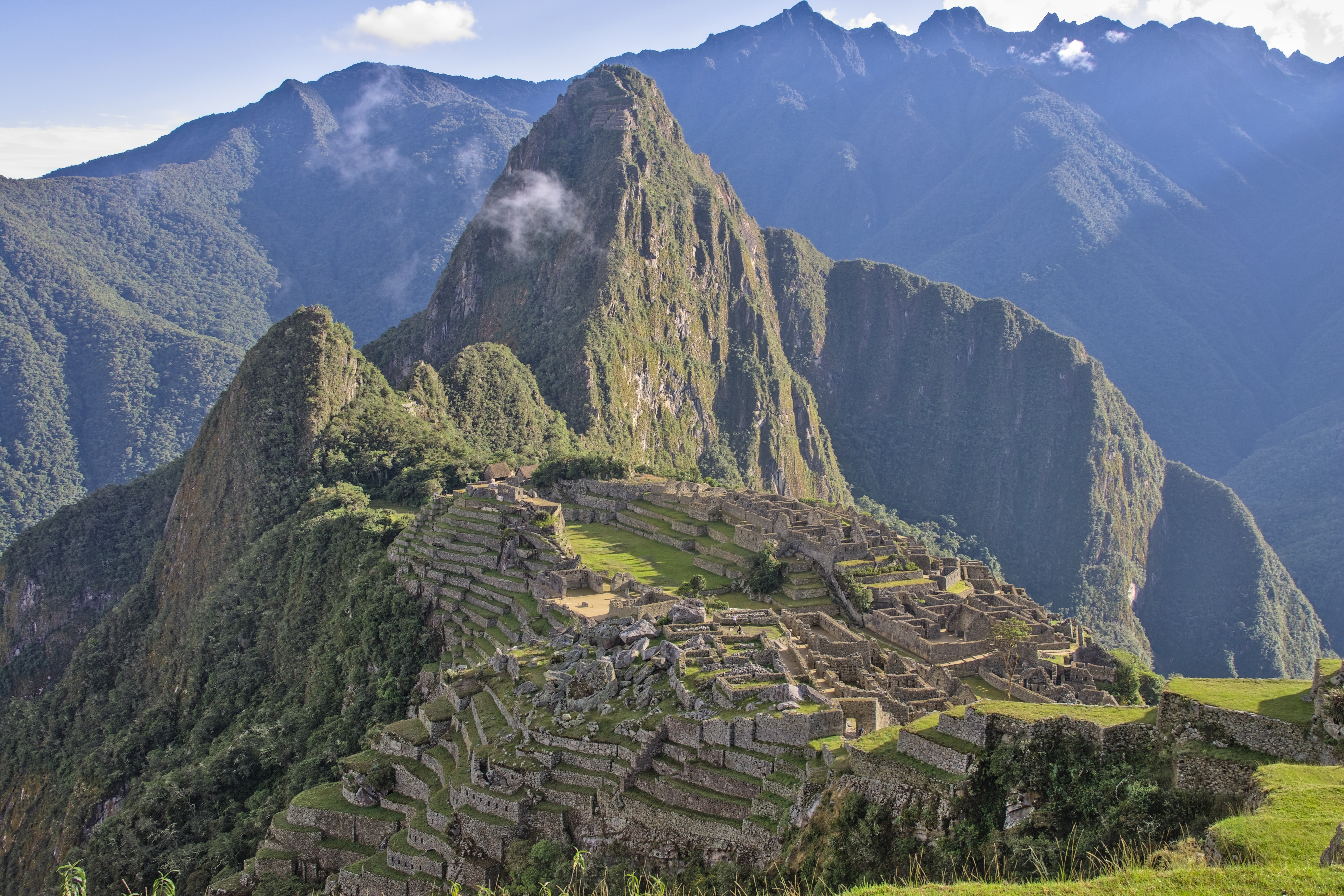
🏔️Machu Picchu
A sacred Inca citadel set high in the Andes, aligned with astronomical events.
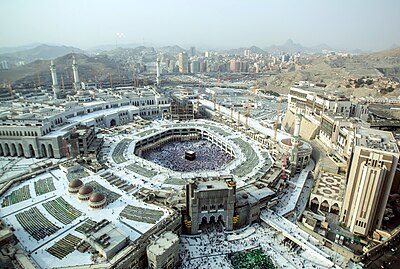
🕋Masjid al-Haram (Great Mosque of Mecca)
The holiest site in Islam, home of the Kaaba, and the destination for Hajj pilgrimage.
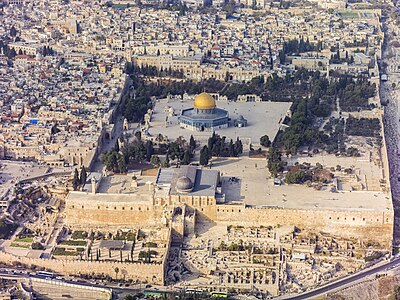
🕌Temple Mount / Al-Aqsa (Jerusalem)
Sacred to Judaism, Christianity, and Islam — the most contested holy site on Earth.

