🛕 Sri Siva Subramaniya Temple (Nadi)
Fiji
About This Sacred Site
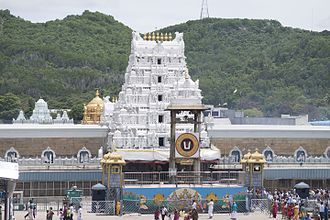
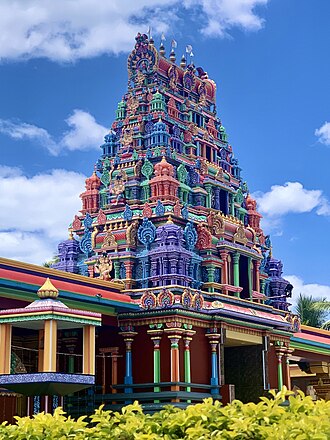
Sri Siva Subramaniya Temple in Nadi is the largest Hindu temple in the Southern Hemisphere and a symbol of Fiji's significant Indo-Fijian community. Built in traditional Dravidian style by artisans brought from India, the temple is dedicated to Lord Murugan (Subramaniya), the Hindu god of war and victory. Its brightly painted gopuram (tower) adorned with figures of deities rises prominently in the center of Nadi. The temple serves as the spiritual hub for Fiji's Hindu community, descended from indentured laborers brought from India in the 19th century.
History & Origins
The Sri Siva Subramaniya Temple in Nadi was completed in 1986, becoming the largest Hindu temple in the Southern Hemisphere. It was constructed by the Fiji Hindu Maha Sabha under the leadership of President Narayana Ram Sharma, following a decade of fundraising and planning starting in the mid-1970s. The temple's architecture follows the Dravidian style, featuring a 22-meter tall rajagopuram (gateway tower) adorned with intricately carved statues of deities and mythological figures. In 2000, the temple underwent significant renovations to restore its wooden pillars and repaint the temple's vibrant sculptures. The temple complex includes a sacred pond used for ritual ablutions, built according to Agama Shastra prescriptions on temple design and construction. The site is registered with Fiji's National Trust to ensure its preservation as a cultural and religious landmark. It serves as a hub for the Hindu community in Fiji and hosts annual festivals that attract devotees from across the Pacific region.
Spiritual Significance
Dedicated to Lord Murugan, also known as Subramaniya, the temple is central to worship practices celebrating the deity of war and wisdom, as described in the Skanda Purana. The Thaipusam festival is the temple's most important event, involving kavadi bearers who undertake physical penance and ceremonial offerings to Lord Murugan. Devotees perform abhishekam (ritual bathing) of the murti (idol) using milk, honey, and sandalwood paste, following traditional Tamil rites. The temple conducts daily poojas according to the Agamic calendar, including the chanting of the Subramanya Ashtakam, a hymn extolling the deity's virtues. Pilgrims often circumambulate the sanctum sanctorum three times, a practice rooted in Hindu ritual purity concepts. The temple's Dravidian architecture itself embodies spiritual symbolism, with the gopuram representing the ascent to divine consciousness. Religious education programs at the temple emphasize bhakti (devotion) and dharma (moral duty) as key theological doctrines guiding community life.
Key Facts
- •The largest Hindu temple in the Southern Hemisphere
- •Built in the traditional Dravidian (South Indian) architectural style
- •Dedicated to Lord Murugan (Subramaniya), the deity of war and victory
- •Artisans were brought from India to construct the temple using traditional methods
- •Serves the Indo-Fijian community, descendants of laborers brought from India during British colonial rule
Location
Coordinates: -17.7766, 177.9350
Frequently Asked Questions
What religion is Sri Siva Subramaniya Temple (Nadi) associated with?▾
Sri Siva Subramaniya Temple (Nadi) is a Hinduism holy site located in Fiji. It was established 1986 and is ranked #785 in our global directory of sacred sites.
When was Sri Siva Subramaniya Temple (Nadi) established?▾
Sri Siva Subramaniya Temple (Nadi) dates back to 1986. The largest Hindu temple in the Southern Hemisphere
How many people visit Sri Siva Subramaniya Temple (Nadi) each year?▾
Sri Siva Subramaniya Temple (Nadi) receives approximately 100,000 visitors per year. Built in the traditional Dravidian (South Indian) architectural style
What is Sri Siva Subramaniya Temple (Nadi) known for?▾
The largest Hindu temple in the Southern Hemisphere, a colorful Dravidian-style shrine in Fiji. Visitors come seeking blessings, protection, healing, prosperity. Dedicated to Lord Murugan (Subramaniya), the deity of war and victory
Related Holy Sites
Sacred places connected by country, religion, and purpose